2023 Honda CR-V Problems: Recalls, Complaints & Service Bulletins
The 2023 Honda CR-V has no reported recalls or owner complaints to NHTSA, but several manufacturer service bulletins address issues like rearview camera malfunctions, 'shutter grille issue' warnings, P0420 Check Engine Lights, EPS sticking, and weatherstrip problems.
 David ChenUpdated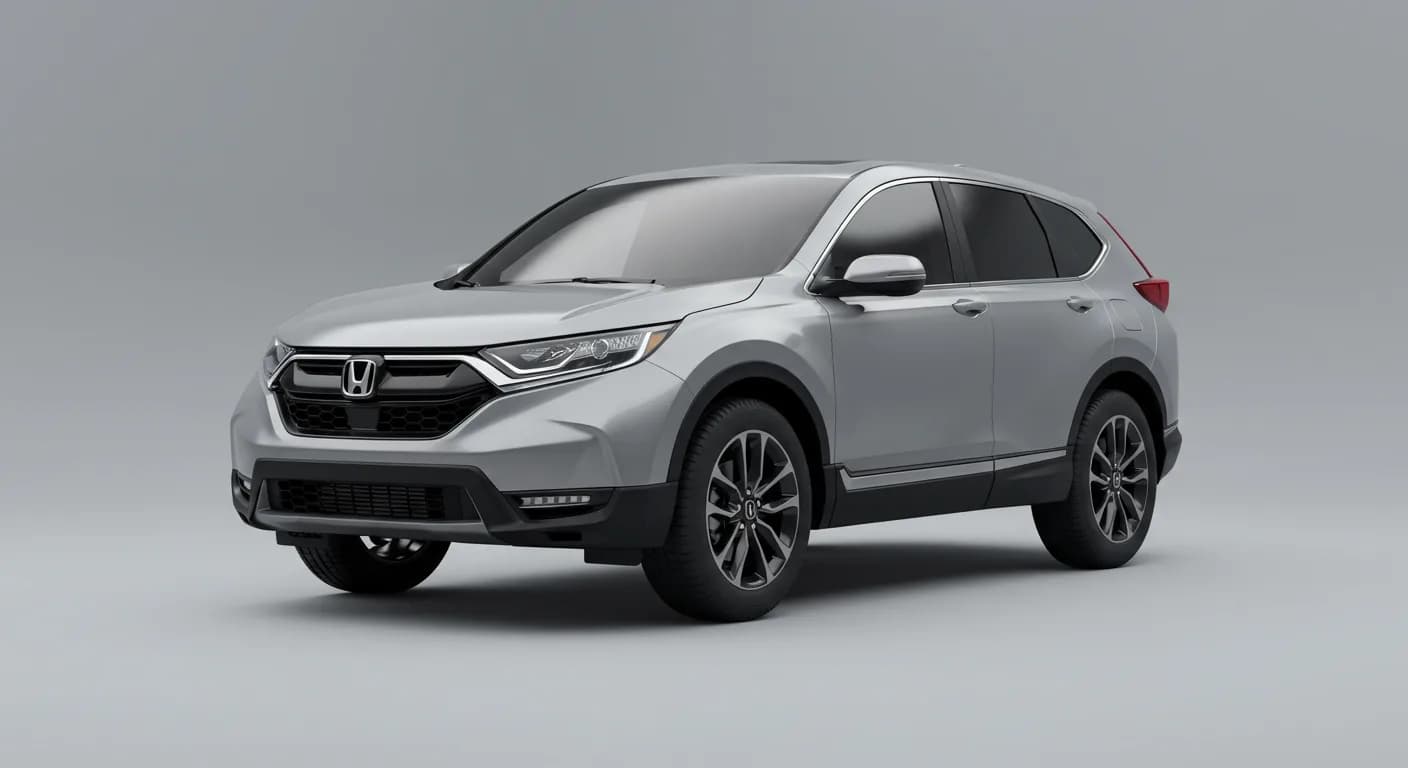
The 2023 Honda CR-V, a popular compact SUV, has been the subject of numerous manufacturer communications addressing potential issues, despite having no recalls or owner complaints filed with the National Highway Traffic Safety Administration (NHTSA). These communications, often referred to as Technical Service Bulletins (TSBs), highlight areas where Honda is actively investigating or providing repair guidance to dealerships. Owners of the 2023 Honda CR-V should be aware of these potential issues, which range from electrical system glitches to structural and visibility concerns.
At a glance
The 2023 Honda CR-V has a clean record with NHTSA regarding recalls and owner complaints, with zero of each reported. There are also no open federal investigations into this model year. However, Honda has issued 20 manufacturer service bulletins, indicating proactive efforts to address various emerging concerns in the field. These bulletins cover a range of components, including the electrical system, engine, steering, and body structure, suggesting that while no widespread safety defects have been identified, some owners may encounter specific issues.
Recalls
No recalls have been issued for the 2023 Honda CR-V.
Owner complaints
No owner complaints have been reported to NHTSA for the 2023 Honda CR-V.
Federal investigations
No federal investigations have been opened against the 2023 Honda CR-V.
Service bulletins
Honda has released several service bulletins for the 2023 Honda CR-V, detailing investigations and potential fixes for various issues. These bulletins are crucial for understanding potential problems with the 2023 Honda CR-V:
Rearview Camera Malfunction: American Honda Motor Co., Inc. (AHM) is investigating specific 2023-2025 Honda Civic, CR-V, and Pilot vehicles experiencing a rearview camera INOP condition. If your display turns on but shows no camera feed when in reverse, Honda wants to inspect it to understand the root cause (NHTSA ID ATI&03032025903).
Shutter Grille / Charging System Warnings: Honda is investigating 2023-2024 CR-V vehicles that display a "warning: shutter grille issue" or "charging system problem" message on the Multi-Information Display (MID), often accompanied by diagnostic trouble codes P16E8 or P16E3. Honda requests dealers to identify and report vehicles meeting certain criteria for parts collection. Owners should not attempt repairs before the vehicle has been inspected by a dealer (NHTSA IDs APaS11142024904, APaS09122024902).
Check Engine Light with P0420: A common Check Engine Light (CEL) complaint with DTC P0420 (Catalyst System Efficiency Below Threshold) is being investigated by Honda. This issue affects 2021-2024 Accord, Civic, and CR-V models. Honda is collecting specific parts to understand the root cause (NHTSA ID ATI&11052024902).
EPS Sticking and Slipping: Honda Service Bulletin 24-052 addresses an issue where the steering wheel on 2023-2024 CR-V models may not automatically return to center at highway speeds. The repair involves redistributing grease and replacing specific EPS gearbox components.
Windshield Washer System Issues: American Honda Motor Co., Inc. (AHM) is actively collecting parts from 2023-2024 Honda CR-V vehicles experiencing windshield washer system malfunctions, including inoperative or leaking conditions (NHTSA IDs ATI&08072024903, ATI&07232024903, ATI&05312024903, ATI&05172024909, ATI&04172024901).
Rear Door Weatherstrip Problems: Honda is investigating customer complaints regarding loose, torn, or deformed rear door weatherstrips and gap seals on 2023-2024 Accord and CR-V vehicles. Dealerships are requested to identify and report affected vehicles for parts collection (NHTSA IDs ATI&10012024910, ATI&09062024902, ATI&08072024904, ATI&06052024901).
Drip Mold Issues: American Honda Motor Co., Inc. (AHM) is investigating reports of drip molds that are not properly set, detaching, or loose on 2023-2024 Honda CR-V vehicles (NHTSA IDs ATI&03202024901, ATI&02152024903, ATI&01022024905, ATI&11032023906).
Door Mirror Vibration: Honda is also seeking 2023-2024 CR-V owners experiencing driver or passenger door mirror vibration while driving, aiming to understand the root cause (NHTSA IDs ATI&01172024903, ATI&11272023908).
Should you be worried?
For owners of the 2023 Honda CR-V, the absence of recalls and owner complaints to NHTSA is a positive sign regarding major safety or widespread reliability issues. However, the numerous service bulletins indicate that Honda is actively monitoring and addressing various quality control and minor operational concerns. These bulletins suggest that while no critical defects have been identified, some owners might experience specific issues like electrical glitches, structural fitment problems, or steering anomalies. The proactive nature of these investigations by Honda is generally a good sign, as it shows the manufacturer is working to resolve issues as they arise.
What 2023 HONDA CR-V owners should do
If you own a 2023 Honda CR-V and experience any of the issues described, here are some recommended steps:
- Monitor for Warnings: Pay attention to any warning messages on your Multi-Information Display (MID), such as "warning: shutter grille issue" or "charging system problem," or if your rearview camera is INOP.
- Check Engine Light: If your Check Engine Light illuminates, especially with a P0420 code, have your vehicle diagnosed by a Honda dealership.
- Contact Your Dealer: If you notice any of the described symptoms, such as EPS sticking, windshield washer malfunctions, loose weatherstrips, detached drip molds, or vibrating door mirrors, contact your authorized Honda dealership.
- Service Bulletin Reference: When discussing an issue with your dealer, you may reference the specific NHTSA ID or TSB number if it aligns with your vehicle's symptoms. This can help the technician quickly identify the relevant manufacturer communication.