1992-2025 Toyota Acid Rain Damage Repair TSB
Toyota Technical Service Bulletin T-SB-0035-24 Rev2 addresses the diagnosis and repair of acid rain damage on 1992-2025 Toyota vehicles. This bulletin outlines procedures for minor, moderate, and severe paint damage caused by acidic airborne compounds.
 Sarah Mitchell2022 Toyota Camry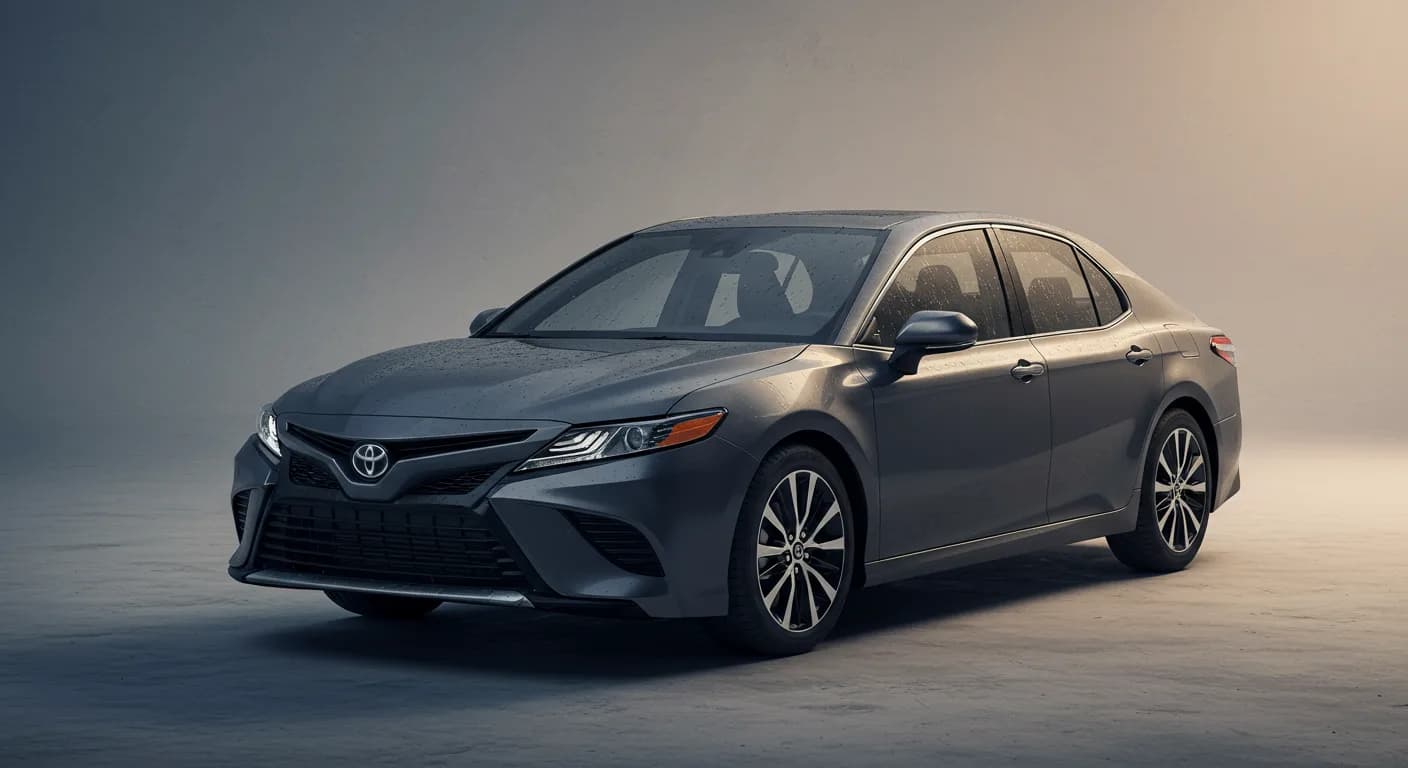
S'applique également à
- Toyota 4Runner
- 2021–2025
- Toyota Avalon
- 2021–2022
- Toyota bZ4X
- 2023–2025
- Toyota C-HR
- 2021–2022
- Toyota Camry
- 2021, 2023, 2024, 2025
- Toyota Corolla
- 2021–2025
- Toyota Corolla Cross
- 2022–2025
- Toyota Crown
- 2023–2025
- Toyota Crown Signia
- 2025
- Toyota GR Corolla
- 2023–2025
- Toyota Grand Highlander
- 2024–2025
- Toyota Highlander
- 2021–2025
- Toyota Land Cruiser
- 2021–2023
- Toyota Mirai
- 2021–2025
- Toyota Prius
- 2021–2025
- Toyota RAV4
- 2021–2025
- Toyota Sequoia
- 2021–2022
- Toyota Supra
- 2021–2025
- Toyota Tacoma
- 2021–2025
- Toyota Tundra
- 2021–2025
- Toyota Venza
- 2021–2025
- Toyota Yaris
- 2023
▸ Afficher 16 de plus▾ Afficher moins
Acid rain damage is a common issue affecting vehicle paint finishes, especially in areas with industrial pollution. This Technical Service Bulletin (TSB) T-SB-0035-24 Rev2 from Toyota provides comprehensive guidance for identifying, preventing, and repairing Toyota acid rain damage on a wide range of models from 1992 to 2025.
Symptoms of Acid Rain Damage
Acid rain results from acidic compounds in rainwater or airborne moisture settling on a vehicle's surface. These compounds can cause significant damage to painted surfaces, particularly horizontal areas like the hood, roof, and decklid. The damage typically appears as stains on the paint that resemble hard water spots.
Unlike ordinary water spots, these acid rain stains cannot be removed with regular washing. Acid rain can also etch and soften the paint, making standard buffing or polishing procedures ineffective and potentially causing further damage or visible depressions in the paint.
Diagnosis and Severity
Toyota categorizes acid rain damage into three levels of severity:
- Minor damage: This level of damage typically only requires buffing for repair.
- Moderate damage: This usually necessitates neutralizing the affected area, followed by color sanding and buffing.
- Severe damage: This indicates damage extending beyond 1/2 mil of the clearcoat on pearl, metallic, or solid colors. Repair for severe damage involves neutralization, sanding, and repainting.
Determining the exact depth of acid penetration, especially for moderate or severe damage, often requires color sanding a representative area and measuring the paint removed with a magnetic or digital film thickness gauge. These procedures should only be performed by qualified body/paint technicians.
Important Warnings for Owners
Toyota highlights several critical warnings to prevent further damage during repair or maintenance:
- "The following process can be followed but with matte paint finish safe products ONLY. Using materials listed in this document can lead to paint damage to matte paints."
- "To minimize the possibility of burning through or hazing paint surfaces, the following buffing procedures should be performed only by personnel experienced in rotary power buffing."
- "NEVER use different buffing/polishing compounds on the same pad."
- "Use only LIGHT pressure on the buffer to prevent burn-through damage to the paint surface."
- "While it is recommended to sand down into the primer coat, the underlying electro deposition coat should NOT be exposed, since it provides essential corrosion protection."
- "ALWAYS sand in one direction and never in a circular pattern."
- "lacquer-type paint is NOT recommended for this application."
- "Check with state and local ordinances regarding the use and disposal of all chemicals."
Repair Procedure Summary
The TSB outlines specific repair procedures based on the severity of the Toyota acid rain damage:
For Minor Damage:
- Move the vehicle out of direct sunlight to cool the paint surfaces.
- Wash the vehicle with automotive liquid soap and water once surfaces are cool.
- Neutralize any remaining acid with a solution of one tablespoon of baking soda per quart of water, applied with a plastic garden sprayer.
- Rinse the vehicle thoroughly with fresh water.
- Measure paint film thickness in several locations and record them.
- Buff affected areas using the least aggressive pads and liquid compounds. Periodically measure paint film thickness during buffing. Buffing should resolve the issue within approximately 30 minutes per vehicle.
For Moderate Damage:
- Follow steps 1-5 for minor damage (cooling, washing, neutralizing, rinsing, measuring paint thickness).
- Mix liquid automotive washing soap in a pail of clean water and immerse recommended wet-dry sandpaper (e.g., #1500 or #2000 grit) to soak for several minutes.
- Carefully color sand affected paint areas using the wet-dry sandpaper with a soft foam rubber sanding pad. Frequently apply clean water and wipe down sanded areas to check for spot removal.
- Continuously measure paint film thickness during sanding to prevent excessive removal, removing no more than 1/2 mil of clearcoat.
- Install recommended buffing pads and set buffer speed to 1200–1800 rpm. Apply buffing/polishing material sparingly and buff until haze is almost gone.
- Inspect for remaining acid spots; re-sand and polish if necessary. Achieve a high-gloss finish.
For Severe Damage:
If acid damage has penetrated more than 1/2 mil on metallic, pearl, or solid colors after color sanding, repainting is required.
- Wash the vehicle surface with mild automotive soap and water, then rinse with deionized water. Clean affected areas with an appropriate silicone/wax remover.
- Completely sand the affected areas with a dual-action sander to eliminate depressions. Sand down to the primer coat, but do not expose the underlying electro deposition coat.
- Finish sanding with wet-dry sandpaper of the grit recommended by paint manufacturers.
- Wash and rinse the vehicle again with mild automotive soap and deionized water.
- Clean sanded areas with an appropriate silicone/wax remover.
- Apply a quality urethane enamel color coat or base coat/clear coat as required for maximum repair durability. Follow the paint manufacturer's recommendations for application.
Required Tools and Materials
To address Toyota acid rain damage, technicians will need specific tools and materials, including:
- Liquid Automotive Washing Soap, Baking Soda, Water Pail
- 3M™ Finesse-It™ II Machine Polish (or Equivalent)
- 3M™ Perfect-It™ System (or Equivalent)
- 3M™ Finesse-It™ II Wool Pad (or Equivalent)
- 3M™ Perfect-It™ Foam Pad (or Equivalent)
- #1500 or #2000 Grit Wet-Dry Sandpaper (pre-soaked)
- Variable Speed Rotary Buffer (1200–1800 rpm)
- Elcometer® 211 Mechanical Coating Thickness Gauge, Magnetic (or Equivalent)
- Fischer® Deltascope DMP30, Digital (or Equivalent)
Owner Action and Prevention
Owners of 1992-2025 Toyota vehicles should be aware of the potential for Toyota acid rain damage. To minimize exposure and prevent damage, frequent vehicle washing is recommended, especially during periods of high heat and humidity. This is particularly important in geographical areas known for high concentrations of acid rain and industrial fallout.
If you notice stains resembling hard water spots that do not wash off, it is advisable to consult a qualified Toyota service center. Inexperienced personnel should not attempt these repairs, as improper techniques can cause further damage to the paint finish.
Warranty Information
The TSB indicates that this repair is "Not Applicable to Warranty" (N/A) under the warranty information section. This suggests that repairs for acid rain damage are typically not covered under standard vehicle warranties.
NHTSA ID: 11012742
Frequently Asked Questions
- What causes Toyota acid rain damage?
- Toyota acid rain damage is caused by acidic compounds from rainwater or airborne moisture settling on the vehicle's painted surfaces. These compounds can etch and soften the paint, leading to visible stains.
- How can I tell if my Toyota has acid rain damage?
- Acid rain damage typically appears as stains on the paint surface that resemble hard water spots. Unlike regular water spots, these stains cannot be removed through normal washing procedures.
- What are the repair options for Toyota acid rain damage?
- Repair options for Toyota acid rain damage depend on its severity. Minor damage may only require buffing, moderate damage involves neutralizing, color sanding, and buffing, while severe damage may necessitate neutralization, sanding, and repainting.
- Is the repair for Toyota acid rain damage covered under warranty?
- According to Toyota Technical Service Bulletin T-SB-0035-24 Rev2, repairs for acid rain damage are generally 'Not Applicable to Warranty,' meaning they are typically not covered under standard vehicle warranties.
Related Articles
2018-2024 Toyota Navigation Map Update Process TSB
Toyota has released Technical Service Bulletin T-SB-0001-26 detailing the Premium Audio Navigation Map Update Process for 2018-2024 vehicles. This bulletin outlines how to update navigation maps, points of interest, and system software using a Special Service Tool (SST) USB flash drive.
2018-2025 Toyota Misfire DTCs in Cold Temperatures TSB
Toyota has issued Technical Service Bulletin T-SB-0010-24 to address a 'MIL ON' condition with misfire Diagnostic Trouble Codes (DTCs) in various models, including the Toyota Camry, when operating in cold temperatures. This bulletin outlines a repair procedure involving the replacement of exhaust…
2021-2024 Toyota Multimedia Recorder (MMR) Data Download
Toyota's Tech Tip T-TT-0780-25 outlines the process for technicians to download Multimedia Recorder (MMR) data from the head unit in 2021-2024 Toyota vehicles. This data helps diagnose various audio and telematics concerns, including issues with Apple CarPlay, Android Auto, Bluetooth, and system…
2018-2024 Toyota Camry, Avalon Untucked Carpet TSB
Toyota Technical Service Bulletin T-SB-0032-23, issued June 5, 2023, addresses concerns regarding untucked or torn carpet loops near the door scuff plates in 2018-2024 Toyota Camry and Avalon vehicles. This bulletin has been superseded by T-SB-0101-24 as of November 5, 2024.
2021-2024 Toyota Camry/Avalon Carpet Untucked or Torn Loops TSB
Toyota has released Technical Service Bulletin T-SB-0101-24 for certain 2021-2024 Camry and Avalon vehicles experiencing untucked or torn carpet loops near the door scuff plate. This bulletin outlines an inspection and repair procedure to resolve the issue.
Leave a comment
Comments are moderated and may take a moment to appear. Only your first name and the initial of your last name are shown publicly.
Comments
Be the first to comment.