Toyota · Model Report
Toyota Camry2022
Showing safety data for the 2022 model year only.
Toyota · Model Report
Showing safety data for the 2022 model year only.

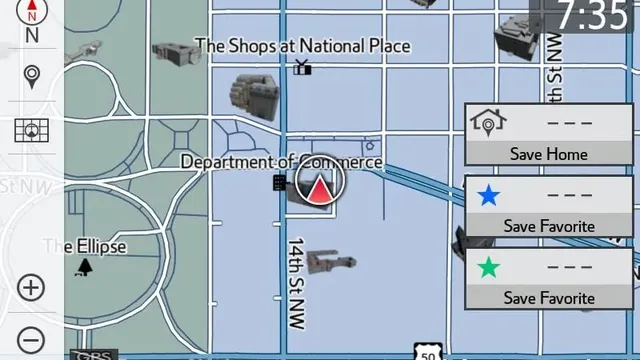
Toyota has released Technical Service Bulletin T-SB-0001-26 detailing the Premium Audio Navigation Map Update Process for 2018-2024 vehicles. This bulletin outlines how to update navigation maps, points of interest, and system software using a Special Service Tool (SST) USB flash drive.

Toyota has issued Technical Service Bulletin T-SB-0010-24 to address a 'MIL ON' condition with misfire Diagnostic Trouble Codes (DTCs) in various models, including the Toyota Camry, when operating in cold temperatures. This bulletin outlines a repair procedure involving the replacement of exhaust…

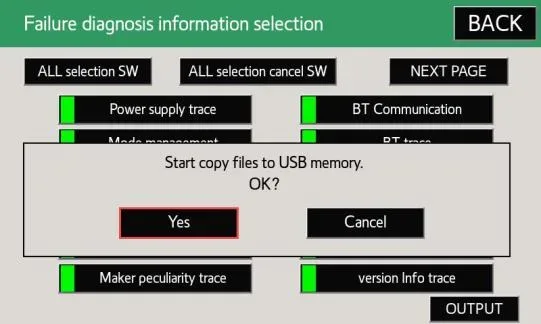
Toyota's Tech Tip T-TT-0780-25 outlines the process for technicians to download Multimedia Recorder (MMR) data from the head unit in 2021-2024 Toyota vehicles. This data helps diagnose various audio and telematics concerns, including issues with Apple CarPlay, Android Auto, Bluetooth, and system…

Toyota Technical Service Bulletin T-SB-0035-24 Rev2 addresses the diagnosis and repair of acid rain damage on 1992-2025 Toyota vehicles. This bulletin outlines procedures for minor, moderate, and severe paint damage caused by acidic airborne compounds.

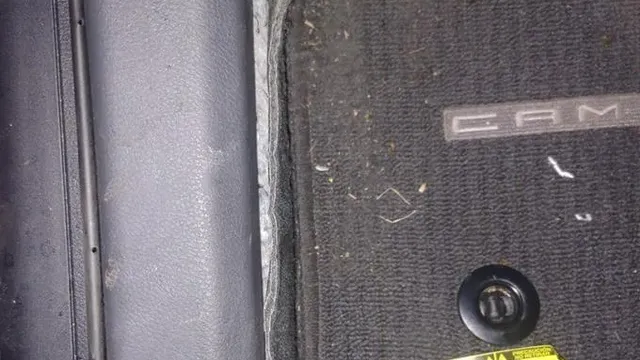
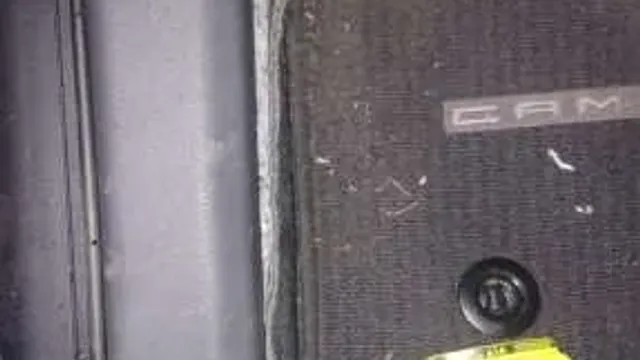
Toyota Technical Service Bulletin T-SB-0032-23, issued June 5, 2023, addresses concerns regarding untucked or torn carpet loops near the door scuff plates in 2018-2024 Toyota Camry and Avalon vehicles. This bulletin has been superseded by T-SB-0101-24 as of November 5, 2024.

Toyota has released Technical Service Bulletin T-SB-0101-24 for certain 2021-2024 Camry and Avalon vehicles experiencing untucked or torn carpet loops near the door scuff plate. This bulletin outlines an inspection and repair procedure to resolve the issue.

Toyota has issued a Tech Tip for 2021-2024 Camry and RAV4 models regarding an illuminated Malfunction Indicator Lamp (MIL) and Diagnostic Trouble Code P140018, indicating an issue with the Exhaust Gas Recirculation system.

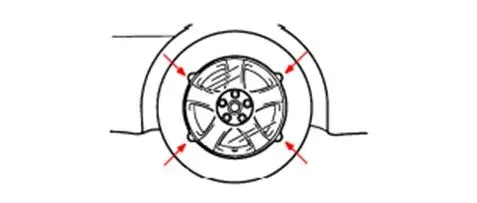
Toyota has issued Technical Service Bulletin T-SB-0038-24 to address the use of wheel film for preventing brake rotor rust during vehicle transportation and storage. This film should remain on the wheels until just before customer delivery.

Toyota has issued T-SB-0061-23 Rev1 detailing the required removal of Rapgard protective film from 2022-2025 vehicles within 90 days of application to prevent paint damage.

Toyota Technical Service Bulletin T-SB-0055-24 provides detailed procedures for remediating musty odors in 2005-2024 Toyota vehicles caused by water intrusion. This dealer-performed process involves inspection, cleaning, and replacement of affected components.

Toyota has issued TSB T-SB-0032-23 for 2021-2024 Camry and Avalon vehicles regarding untucked or torn carpet loops near the door scuff plates. This bulletin outlines a repair procedure involving an updated floor mat and adhesive.

Toyota is renotifying owners of 2009-2022 Venza, Tacoma, Corolla, and other models about uncompleted safety recalls and service campaigns. Notifications begin late June 2024 via mail and email to ensure all necessary repairs are performed for various issues, including airbags, water leaks, and ECU…
Toyota Motor Engineering & Manufacturing (Toyota) is recalling certain 2020-2021 Avalon, Avalon Hybrid, Corolla, Highlander, Highlander Hybrid, RAV4, RAV4 Hybrid, Lexus ES350, Lexus RX350, Lexus RX450H, 2021 Sienna Hybrid, Lexus ES250, 2020-2022 Camry, Camry Hybrid, and ES300H vehicles. A short circuit may develop in the Occupant Classification System (OCS) sensor, preventing the front passenger air bag from deploying.
Multiple door actuator locks are faulty and broken, conveniently just out of warranty. The first right passenger door lock broke/faulty in October 2025, leading me to discover a class action lawsuit was filed against Toyota for faulty actuators. This can be found here: [XXX]. This faulty door lock was fixed as a goodwill gesture from Toyota; The same issue occurred recently for the front driver door, leading me to bring it to the dealership to confirm the issue and note that the actuator is "faulty" and needs replacement. Toyota refuses to cover this ongoing issue with the door actuators and is refusing to fix this concern or part. This is a major safety issue in case of a crash; if the driver's door is the only way to leave the vehicle, a faulty locking and unlocking leaves me liable for being trapped in said vehicle. INFORMATION REDACTED PURSUANT TO THE FREEDOM OF INFORMATION ACT (FOIA), 5 U.S.C. 552(B)(6)
No injuries · No fire · No crash
vehicle has engine maintenance required. took it to a shop and got code p268115 which states there is a recall for the coolant valve bypass for 2022 Camrys, but for some reason my specific VIN number does not constitute as being a recall it is putting the safety of me and family members at harm not knowing if the vehicle will overheat or stop on the side of the road lights came on this morning for the first time problem has been confirmed by independent service center Christian Brothers automotive which put my vehicle and got the code I am confused as to why my vehicle is not covered when it's an issue that is a recall on other Toyota Camrys
No injuries · No fire · No crash
Wipers are turning on without me doing it. I took it to the dealer and they cannot see nothing I was told that there are no recalls, but I herd of at lest another Camry with the same issue.
No injuries · No fire · No crash
22’ Camry LE. Was driving over a bridge that’s undergoing construction, as many areas around me are. There were few lines painted to distinguish lanes. Driving in the right lane when (I’m assuming) Lane Assist suddenly pulled me to the right. Thankfully I caught it before anything had happened, but if it hadn’t, I would’ve gone straight into a concrete barrier at the edge of a bridge on a busy street (and over one). The most unsafe part? This feature can’t be disabled permanently. It’s something that has to be disabled every time you start the car.
No injuries · No fire · No crash
My Toyota vehicle has a recurring HVAC/air conditioning odor problem that produces a strong vinegar-like or mildew smell from the air vents whenever warmer weather returns and the air conditioning system is used again. The odor is extremely unpleasant and affects the air quality inside the vehicle cabin. The condition repeatedly returns seasonally despite attempts to clean the system. I brought the vehicle to an authorized Toyota dealership for inspection and was told that this issue is “common with Toyotas.” The dealership did not provide a permanent repair and instead recommended spraying a cleaning product into the HVAC system. The cleaner did not resolve the issue, and the odor continues to return. The problem appears related to moisture retention, microbial growth, or contamination within the HVAC evaporator or drainage system. I am concerned about prolonged exposure to contaminated air inside the passenger compartment, especially during regular use of the air conditioning system. Toyota should investigate this recurring HVAC odor condition and determine whether a design or manufacturing defect exists involving the evaporator, condensate drainage, or ventilation system. Owners should not be expected to repeatedly mask the odor with temporary spray products when the underlying issue remains unresolved.
No injuries · No fire · No crash