News
View all 33 →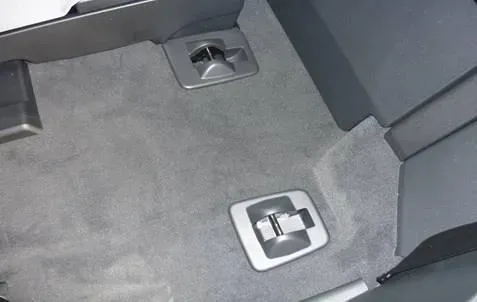
2021-2026 Audi Q7/SQ7 Second Row Seat Noise TSB
Audi Technical Service Bulletin 2060719/4 details a common complaint of creaking and rattling noises from the second row seats in 2021-2026 Audi Q7 and SQ7 models. The issue stems from friction between the seat's lock handle and the locking mechanism.
2021-2024 Audi Q7 Parts Return Communication
This manufacturer communication, identified by NHTSA ID 11002296, informs Audi dealers about a special notice concerning the return of specific body structure parts for 2021-2024 Audi Q7 vehicles.
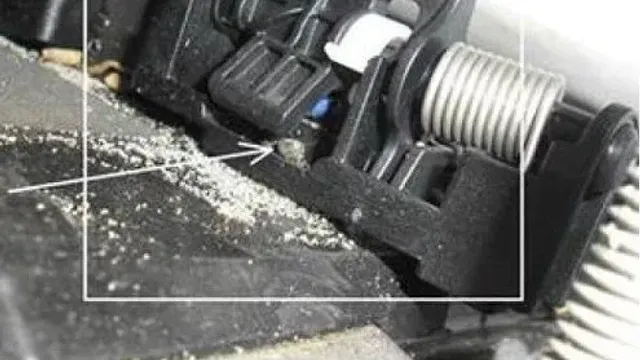
2021-2024 Audi Q5/Q7/SQ5/SQ7 Taillight Switching Issue B146C29
Audi has released TSB 2070964/2 addressing a functional issue with taillight switching in 2021-2024 Q5, Q7, SQ5, and SQ7 models. Owners may experience taillights not switching correctly or staying on, often accompanied by DTC B146C29. The fix involves checking for and removing debris.
2021-2024 Audi Power Rear Lid Malfunction
If your 2021-2024 Audi's power rear lid is not opening or closing, you may be experiencing a known issue addressed by Technical Service Bulletin (TSB) 2072288/3. This TSB covers Diagnostic Trouble Codes (DTCs) B121102 and B120A02, indicating a software problem.
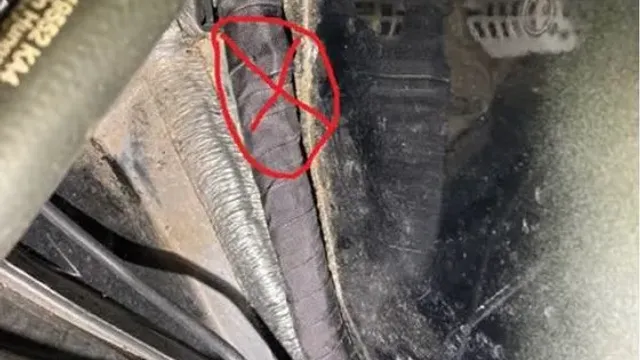
2021-2023 Audi Q7/SQ7 Radiator Fan & Wiper Malfunction
Audi Technical Service Bulletin 2073305/1 details issues with constant radiator fan operation, non-functional windshield wipers, and alarm system faults in 2021-2023 Audi Q7 and SQ7 vehicles. These problems are often linked to damaged wiring in the plenum chamber and are accompanied by specific…
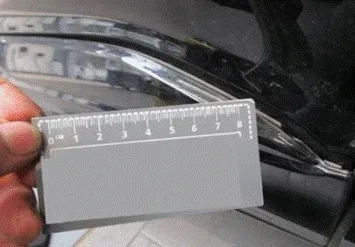
2019-2021 Audi Q7/SQ7 Loose Door Trim Cover TSB
Audi has released Technical Service Bulletin 66 23 01 2065566/2 to address instances of loose door trim covers on 2019-2021 Audi Q7 and SQ7 vehicles. This issue, caused by insufficient bonding during production, results in visible gaps between the trim and door panel.
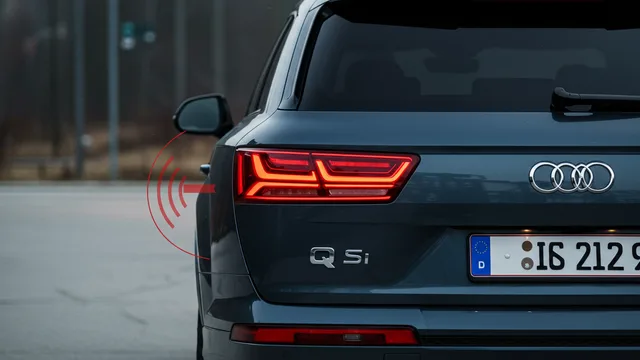
2021-2022 Audi Q7 / SQ7 Rear Parking Aid False Warnings TSB
This technical service bulletin (TSB 10227834) addresses issues with the rear parking aid system in 2021-2022 Audi Q7 and SQ7 vehicles. Owners may experience false warnings, missing sensors, or general system warnings. The TSB provides instructions for diagnosis and repair.
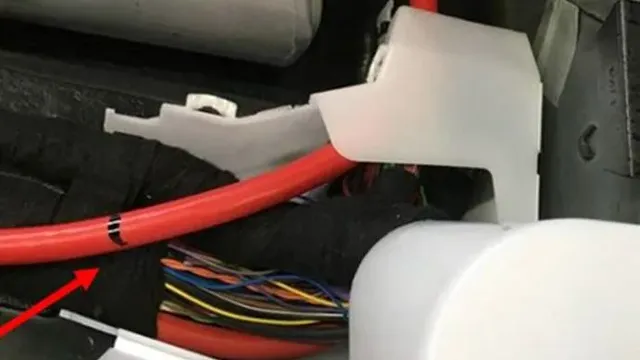
2017-2024 Audi Q7/SQ7 Corroded Splice Points Warning TSB
Audi Technical Service Bulletin 2067722/1 addresses various electrical issues, warning messages, and DTCs like U150600, U028400, and U020800 in 2017-2024 Audi Q7 and SQ7 models. The root cause is often corroded splice points in the driver's sill area.
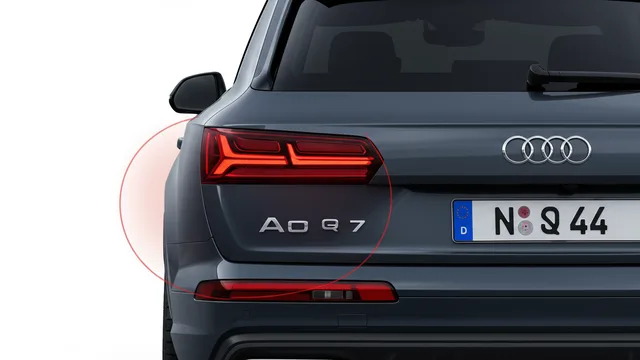
2021 Audi Q7 Power Tailgate Not Opening TSB
A manufacturer communication, identified by NHTSA ID 10208204, provides guidance for an SVM software update to resolve issues with the 2021 Audi Q7 power tailgate not opening high or far enough. This update ensures proper operation of the power liftgate.
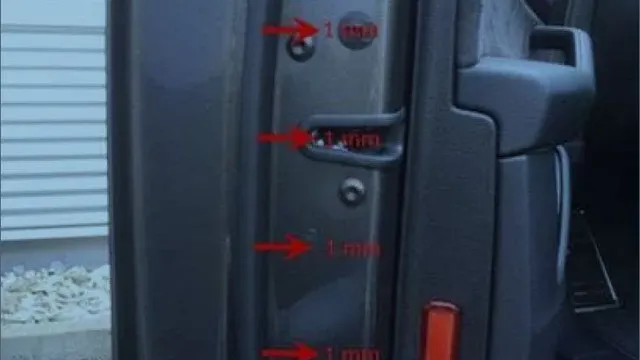
2021-2023 Audi Q7/SQ7 Power Door Latch Inoperative
Audi has issued Technical Service Bulletin 2058159/4 for 2021-2023 Q7 and SQ7 models regarding an intermittently inoperative power closing door latch system. The TSB outlines adjustments to the door striker and potentially replacement of the outer door seal to resolve the issue.
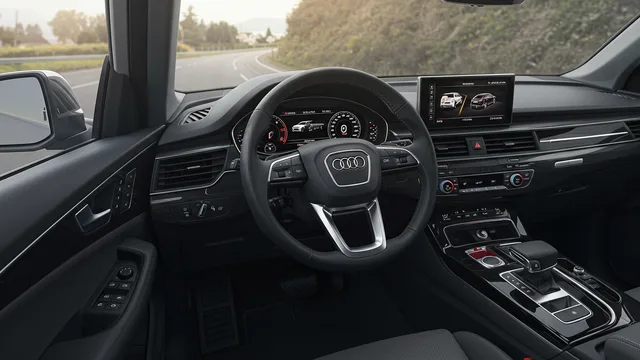
2021-2022 Audi Q7 / SQ7 Laser Light Malfunction Warning TSB
A technical service bulletin (TSB) addresses an issue in 2021-2022 Audi Q7 and SQ7 models where an incorrect 'laser light malfunction warning' may appear in the instrument cluster, accompanied by DTC C128311. A software update (ZDC) is available to resolve this.
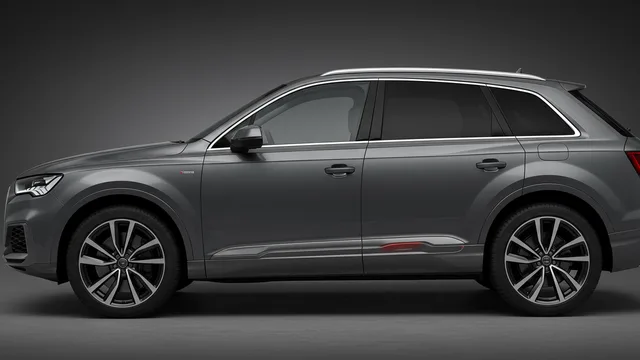
2021 Audi Q7/SQ7 Front Door Trim Gap TSB
Audi has released a manufacturer communication detailing repair instructions for a visible gap that may appear between the front door trim cover and the door panel on 2021 Audi Q7 and SQ7 vehicles. This bulletin, identified by NHTSA ID 10204734, provides guidance for technicians.