2022-2025 Toyota Models: Brake Rotor Rust Prevention Film
Toyota Technical Service Bulletin T-SB-0038-24 details the use of a protective wheel film on 2022-2025 Toyota models, including the Toyota Camry, to prevent brake rotor rust during vehicle transportation and storage. This film replaces older cardboard covers and should remain on the wheels until…
 David Chen2024 Toyota Camry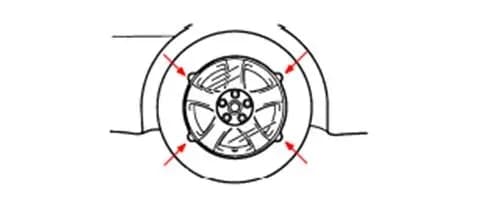
También aplica a
- Toyota 4Runner
- 2021–2024
- Toyota Avalon
- 2021–2022
- Toyota bZ4X
- 2023–2024
- Toyota C-HR
- 2021–2022
- Toyota Camry
- 2021–2023
- Toyota Corolla
- 2021–2024
- Toyota Corolla Cross
- 2022–2024
- Toyota Crown
- 2023–2024
- Toyota Crown Signia
- 2025
- Toyota GR Corolla
- 2023–2024
- Toyota Grand Highlander
- 2024
- Toyota Highlander
- 2021–2024
- Toyota Land Cruiser
- 2021–2022
- Toyota Mirai
- 2021–2024
- Toyota Prius
- 2021–2024
- Toyota RAV4
- 2021–2024
- Toyota Sequoia
- 2021–2022
- Toyota Supra
- 2021–2024
- Toyota Tacoma
- 2021–2024
- Toyota Tundra
- 2021–2024
- Toyota Venza
- 2021–2024
▸ Mostrar 15 más▾ Mostrar menos
Purpose of the Wheel Film
Toyota Technical Service Bulletin T-SB-0038-24, revised on July 12, 2024, outlines the use of a specialized wheel film designed to prevent brake rotor rust. This film is applied to new vehicles during transportation and storage, replacing the older cardboard anti-rust covers. Its primary purpose is to shield the disc brake rotor from environmental elements and initial rust formation before the vehicle reaches the customer. This ensures the brake components remain in optimal condition upon delivery.
What's Being Addressed
This bulletin introduces the wheel film as a new method for protecting brake rotors. The film is intended to remain on the wheels for as long as possible, providing continuous protection against rust. This update affects a wide range of 2022-2025 Toyota models, including the Toyota Camry wheel film application, ensuring consistent quality across the lineup.
Important Warnings and Instructions
Toyota provides specific instructions regarding the handling and removal of the wheel film to ensure proper protection and prevent damage:
- Retention: "Retain the wheel film on the disc wheel during vehicle display and storage." This means the film should not be removed prematurely.
- Pre-Delivery Storage: "If the vehicle will be stored after Pre-Delivery Service (PDS), do NOT remove the wheel film right away." The film offers continued protection during extended storage.
- Final Removal: "Remove the wheel film just prior to the delivery to customers." This ensures the vehicle is presented in its best condition at the point of sale.
- Heating Precautions: When warming the film for easier removal in cold conditions, "Do NOT overheat the film and wheel." Excessive heat can cause damage.
- Adhesive Residue: "Do NOT use paint thinner to remove the adhesive residue." Paint thinner can harm the wheel's finish.
Wheel Film Removal Instructions
Removing the wheel film is a straightforward process. First, firmly hold the outer end of the wheel film. Then, carefully pull the film OFF the wheel. If the ambient temperature is below 0°C (32°F), the film may tear during removal. To facilitate removal in cold conditions, Toyota recommends warming the film above 0°C (32°F) using methods such as splashing hot water on the film, warming with a hot water-soaked cotton cloth, using a heat gun (with caution not to overheat), applying an infrared heater (lamp) for paint (again, avoiding overheating), using a steam car wash, or parking the vehicle indoors for an extended period.
Adhesive Residue Cleanup
If any adhesive residue remains on the disc wheel after the film is removed, it should be cleaned properly. Use a soft cloth dipped in ethyl alcohol (ethanol) to gently wipe away the residue. It is crucial to remember the warning: "Do NOT use paint thinner to remove the adhesive residue," as this can cause damage to the wheel's finish.
Film Disposal Guidelines
Once removed, the polyethylene wheel film should be disposed of according to local laws and regulations. Toyota notes that polyethylene film will not generate harmful gases when it is burned, which is an important consideration for environmental safety.
Warranty Information
This procedure for applying and removing the Toyota Camry wheel film and other models is considered a pre-delivery service and is "Not Applicable to Warranty." This means that the costs associated with this process are not covered under standard warranty claims.
Frequently Asked Questions
- What is the purpose of the wheel film on new Toyota vehicles?
- The wheel film, as described in Toyota T-SB-0038-24, is used to prevent brake rotor rust from forming during vehicle transportation and storage, protecting the disc brake rotor from weather elements and initial rust before customer delivery.
- How long should the wheel film remain on the vehicle?
- The wheel film should remain on the disc wheel during vehicle display and storage, and should only be removed just prior to the delivery of the vehicle to the customer.
- What should be done if the wheel film is difficult to remove in cold weather?
- If the ambient temperature is below 0°C (32°F), the film can be warmed to prevent tearing. Methods include splashing hot water, using a hot water-soaked cloth, a heat gun, an infrared heater, a steam car wash, or parking the vehicle indoors.
- Is the removal of the wheel film covered under warranty?
- No, the process of applying and removing the wheel film, including for the Toyota Camry wheel film, is considered a pre-delivery service and is explicitly stated as "Not Applicable to Warranty" by Toyota.
- What should I use to clean adhesive residue from the wheel?
- If adhesive residue is found on the disc wheel, it should be removed with a soft cloth dipped in ethyl alcohol (ethanol). It is important not to use paint thinner, as this can damage the wheel's finish.
Related Articles
2024 Toyota Camry Health Check: Engine Leaks and Service Bulletins
The 2024 Toyota Camry has no recalls or owner complaints reported to NHTSA, but several service bulletins address potential issues like engine oil leaks, HVAC blower noise, and specific diagnostic trouble codes. This guide details common concerns and what owners should know.
2021-2024 Toyota Navigation Map Update TSB Superseded
Toyota Technical Service Bulletin T-SB-0106-22, which outlined the Premium Audio Navigation Map Update Process for various 2021-2024 Toyota models, has been declared obsolete as of January 30, 2026. Owners and technicians should now refer to T-SB-0001-26 for current information.
2018-2024 Toyota Premium Audio Navigation Map Update TSB
Toyota has released Technical Service Bulletin T-SB-0106-22 Rev2 detailing the process for updating Premium Audio Navigation maps in various 2018-2024 models. This bulletin outlines procedures for both Dynamic and Embedded Navigation updates, requiring a Special Service Tool (SST) USB flash drive…
2023-2025 Toyota Smart Key Immobilizer Reset and Key Management TSB
Toyota Technical Service Bulletin T-SB-0013-24 addresses procedures for Smart Key Immobilizer Reset, adding new keys, and permanently erasing lost or stolen keys for various 2023-2025 Toyota models. This bulletin outlines the necessary steps for technicians to manage vehicle smart key systems.
2023-2025 Toyota Camry Paint Protection Washing Schedule TSB
Toyota has issued Technical Service Bulletin T-SB-0039-24 Rev2 outlining a new vehicle washing schedule to protect paint finishes from acid rain damage. This bulletin applies to 2023-2025 Toyota Camry and many other models, detailing washing frequency based on temperature and weather conditions.
Leave a comment
Comments are moderated and may take a moment to appear. Only your first name and the initial of your last name are shown publicly.
Comments
Be the first to comment.