2023-2025 Toyota Rapgard Protective Film Removal TSB
Toyota has issued T-SB-0061-23 Rev2 detailing the proper procedure for removing Rapgard™ protective film from new 2023-2025 vehicles. This film protects painted surfaces during transport but must be removed within 90 days to prevent issues. Learn the steps and important warnings.
 Marcus Weber2025 Toyota Camry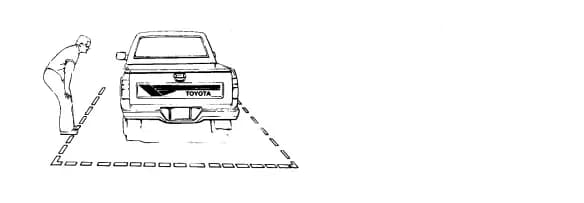
Also applies to
- Toyota 4Runner
- 2021–2025
- Toyota Avalon
- 2021–2022
- Toyota bZ4X
- 2023–2025
- Toyota C-HR
- 2021–2022
- Toyota Camry
- 2021–2024
- Toyota Corolla
- 2021–2025
- Toyota Corolla Cross
- 2022–2025
- Toyota Crown
- 2023–2025
- Toyota Crown Signia
- 2025
- Toyota GR Corolla
- 2023–2025
- Toyota Grand Highlander
- 2024–2025
- Toyota Highlander
- 2021–2025
- Toyota Land Cruiser
- 2021–2023
- Toyota Mirai
- 2021–2025
- Toyota Prius
- 2021–2025
- Toyota RAV4
- 2021–2025
- Toyota Sequoia
- 2021–2022
- Toyota Supra
- 2021–2025
- Toyota Tacoma
- 2021–2025
- Toyota Tundra
- 2021–2025
- Toyota Venza
- 2021–2025
- Toyota Yaris
- 2023
▸ Show 16 more▾ Show fewer
Toyota has released Technical Service Bulletin (TSB) T-SB-0061-23 Rev2, which details the necessary steps for removing the Rapgard™ protective film from various 2023-2025 Toyota models. This film is applied at the factory to safeguard horizontal painted surfaces during vehicle transportation.
The Rapgard™ film provides crucial protection against environmental factors such as acid rain, environmental fallout, and rail contamination. However, it is essential that this film be removed within 90 days of its initial application to prevent potential issues with the vehicle's paint finish.
Bulletin Information and Revisions
This bulletin, T-SB-0061-23 Rev2, was issued on September 7, 2023, and supersedes Service Bulletin No. T-PG005-94. Any previously printed versions of T-PG005-94 are now considered obsolete and should be discarded.
The bulletin has undergone several revisions to ensure accuracy and updated applicability:
- December 05, 2024 (Rev2): The applicability was updated to include 2025 model year RAV4 PHV vehicles.
- May 17, 2024 (Rev1): The applicability was updated to include all 2025 model year Toyota vehicles, and Hilux Hybrid models were removed from the applicability list. Additionally, the Removal Procedure section was updated.
Important Warnings and Advisories
Toyota emphasizes several critical points to ensure proper film removal and prevent vehicle damage:
- Washing the vehicle will remove any transportation dirt, grime, or contamination and prevent scratches during the film removal process.
- Cover ALL shirt buttons, jeans or pants rivets, belt buckles, and watches to prevent scratching the paint surface while removing the Rapgard™ protective film.
- The Rapgard™ protective film MUST be removed within 90 days from initial application.
- If the Rapgard™ protective film has been removed, the dealer will be notified through Dealer Daily.
- Report ANY problems with removal of the Rapgard™ film or damage to the vehicle caused by the application or presence of the material to your District Service and Parts Manager (DSPM).
Rapgard Protective Film Removal Procedure
The removal process for the Rapgard™ protective film is straightforward but requires attention to detail to avoid paint damage. This procedure is applicable to all affected 2023-2025 Toyota models, including the Toyota Camry Rapgard film removal process.
- Vehicle Wash: Begin by washing the vehicle using standard dealer procedures. This step is crucial for removing any dirt or contaminants that could cause scratches during film removal.
- Film Removal: Locate an uplifted or loose corner of the Rapgard™ protective film. Pull the film up and back in a quick, continuous motion to detach it from the surface.
- Repeat: Continue this process for all panels covered by the Rapgard™ film until it is entirely removed.
- Disposal: Dispose of the removed plastic film according to the directions provided by TLS (Toyota Logistics Services), utilizing the preprinted UPS labels supplied to the dealership.
Inspection for Residue
After removing the film, a thorough inspection is required to ensure no adhesive transfer or residue remains on the paint surface. This inspection should be performed inside a building under fluorescent lighting using specific methods:
- 3 Feet 30° Angle Method: Inspect the paint surface from a distance of 3 feet at a 30-degree angle.
- Straight on 90° Perpendicular Method: Inspect the paint surface directly from above, at a 90-degree angle.
If the vehicle's condition is acceptable after the Rapgard™ protective film removal, the procedure is complete. If any residue or issues are found, repeat the washing and inspection steps as necessary. This careful inspection ensures a clean finish after the Toyota Camry Rapgard film removal.
Owner Action
Owners of new 2023-2025 Toyota vehicles should be aware that the Rapgard™ protective film must be removed by the dealership shortly after delivery. While this bulletin primarily targets dealer technicians, it's important for owners to confirm that this essential step has been completed. The bulletin indicates that this procedure is
Frequently Asked Questions
- What is Rapgard™ protective film?
- Rapgard™ protective film is a material applied to the horizontal painted surfaces of new Toyota vehicles at the factory. Its purpose is to protect the paint from environmental damage like acid rain, fallout, and rail contamination during transportation.
- Why does the Rapgard™ film need to be removed?
- While the film protects the vehicle during transit, it must be removed within 90 days of its initial application. Failure to do so can lead to issues with the paint finish, as the film is not designed for long-term exposure.
- Is the Rapgard™ film removal covered under warranty?
- According to T-SB-0061-23 Rev2, the Rapgard™ protective film removal procedure is not applicable to warranty claims. It is a standard preparation step for new vehicles that should be completed by the dealership before or shortly after delivery.
- What should I do if I notice issues after the Rapgard™ film removal?
- If you notice any adhesive residue, damage to the paint, or other problems after the Toyota Camry Rapgard film removal, you should contact your Toyota dealership immediately. The bulletin instructs dealers to report such issues to their District Service and Parts Manager (DSPM).
Related Articles
2025 Toyota Camry Health Check: Service Bulletins
The 2025 Toyota Camry shows a strong reliability outlook with no recalls or owner complaints reported to NHTSA. This profile details manufacturer service bulletins addressing smart key immobilizer resets, protective film removal, and iron particle rust contamination.
2023-2025 Toyota Camry Smart Key Immobilizer Reset TSB
This Technical Service Bulletin (T-SB-0013-24 Rev1) from Toyota outlines the procedures for performing a Smart Key Immobilizer Reset, adding new keys, and permanently erasing lost or stolen keys for a wide range of 2023-2025 Toyota models, including the Camry.
2023-2025 Toyota Vehicles Iron Particle Rust Contamination Repair
Toyota has issued Technical Service Bulletin T-SB-0062-23 Rev2 addressing iron particle rust contamination on the paint surfaces of 2023-2025 Toyota vehicles. This bulletin outlines a specific cleaning procedure to remove small, red or brown particles caused by airborne industrial debris.
2024 Toyota Camry Health Check: Engine Leaks and Service Bulletins
The 2024 Toyota Camry has no recalls or owner complaints reported to NHTSA, but several service bulletins address potential issues like engine oil leaks, HVAC blower noise, and specific diagnostic trouble codes. This guide details common concerns and what owners should know.
2021 Toyota Camry Health Check: Common TSBs and Owner Concerns
While the 2021 Toyota Camry has no recalls or owner complaints, several manufacturer service bulletins address potential issues. Key concerns include engine coolant leaks, transmission whine, and Malfunction Indicator Lamp (MIL) illumination with reduced engine power, especially in cold weather.
Leave a comment
Comments are moderated and may take a moment to appear. Only your first name and the initial of your last name are shown publicly.
Comments
Be the first to comment.