2023-2025 Toyota Wheel Film for Brake Rotor Rust
Toyota Technical Service Bulletin T-SB-0038-24 describes the use of wheel film on 2023-2025 Toyota vehicles to prevent brake rotor rust during transportation and storage. This film should remain on the wheels until just before customer delivery. Learn about its purpose and removal.
 Ahmet Topcu2023 Toyota Camry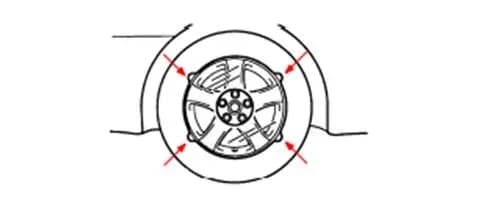
S'applique également à
- Toyota 4Runner
- 2021–2025
- Toyota Avalon
- 2021–2022
- Toyota bZ4X
- 2023–2025
- Toyota C-HR
- 2021–2022
- Toyota Camry
- 2021, 2022, 2024, 2025
- Toyota Corolla
- 2021–2025
- Toyota Corolla Cross
- 2022–2025
- Toyota Crown
- 2023–2025
- Toyota Crown Signia
- 2025
- Toyota GR Corolla
- 2023–2025
- Toyota Grand Highlander
- 2024–2025
- Toyota Highlander
- 2021–2025
- Toyota Land Cruiser
- 2021–2023
- Toyota Mirai
- 2021–2025
- Toyota Prius
- 2021–2025
- Toyota RAV4
- 2021–2025
- Toyota Sequoia
- 2021–2022
- Toyota Supra
- 2021–2025
- Toyota Tacoma
- 2021–2025
- Toyota Tundra
- 2021–2025
- Toyota Venza
- 2021–2025
- Toyota Yaris
- 2023
▸ Afficher 16 de plus▾ Afficher moins
Why This Matters: Preventing Toyota Brake Rotor Rust
Toyota has issued Technical Service Bulletin (TSB) T-SB-0038-24 to address the prevention of brake rotor rust on new vehicles during their journey from the factory to the dealership and eventually to the customer. This TSB outlines a new method using a specialized wheel film to protect brake rotors from environmental exposure.
This change is significant because it impacts how vehicles are prepared for delivery and ensures that the brake components remain in optimal condition. The goal is to deliver vehicles with pristine brake rotors, free from the initial rust that can form during transit and storage.
What is the Wheel Film for Brake Rotor Rust Prevention?
Instead of the traditional cardboard anti-rust covers, Toyota is now utilizing a wheel film. This film is designed to shield the disc brake rotor from various weather elements and prevent initial rust formation. The primary purpose of this film is to maintain the quality and appearance of the brake components until the vehicle is handed over to the customer.
For this reason, the film is intended to remain on the wheel for as long as possible, including during vehicle display and storage at the dealership. This ensures continuous protection against the elements that could cause Toyota brake rotor rust.
Important Warnings and Instructions for Dealers (and Owners)
Toyota provides specific guidelines regarding the handling and removal of this wheel film:
- Retain the wheel film on the disc wheel during vehicle display and storage. This is crucial for maintaining the integrity of the brake rotors.
- If the vehicle will be stored after Pre-Delivery Service (PDS), do NOT remove the wheel film right away. The film offers ongoing protection.
- Remove the wheel film just prior to the delivery to customers. This ensures the customer receives the vehicle with the film removed, but only after it has served its protective purpose.
- Do NOT overheat the film and wheel when using a heat gun or infrared heater for removal in cold conditions.
- Do NOT use paint thinner to remove the adhesive residue. Using incorrect chemicals can damage the wheel finish.
Wheel Film Removal Process
When it's time to remove the wheel film, the process is straightforward, but special considerations apply for cold weather conditions. The general steps are:
- Firmly hold the outer end of the wheel film.
- Carefully pull OFF the wheel film.
If the ambient temperature is below 0°C (32°F), the film may tear during removal. To facilitate easier removal in cold conditions, the film should be warmed above 0°C (32°F) using methods such as splashing hot water, warming with a hot water-soaked cotton cloth, using a heat gun (without overheating), an infrared heater (without overheating), a steam car wash, or parking the vehicle indoors for an extended period.
Adhesive Residue Cleanup
In some cases, adhesive residue might remain on the disc wheel after the film is removed. If this occurs, it should be cleaned properly. The TSB specifies that any adhesive residue should be removed with a soft cloth dipped in ethyl alcohol (ethanol). It is important to reiterate the warning: Do NOT use paint thinner to remove the adhesive residue, as this could cause damage.
Bulletin History and Revisions
This Technical Service Bulletin, T-SB-0038-24 Rev2, was issued on April 19, 2024, with its latest revision dated December 06, 2024. This revision updated the applicability to include 2025 model year RAV4 PHV vehicles. An earlier revision (Rev1, July 12, 2024) updated applicability for 2025 4Runner Hybrid and Crown Signia vehicles.
This bulletin supersedes Service Bulletin No. PD017-04, which is now considered obsolete. Any previous printed versions of PD017-04 should be discarded, as the information in T-SB-0038-24 is the most current guidance for preventing Toyota brake rotor rust.
Source: NHTSA ID: 11012743
Frequently Asked Questions
- Why is there film on my new Toyota's wheels?
- The film on your new Toyota's wheels is a specialized wheel film used to prevent brake rotor rust. It protects the disc brake rotors from weather elements and initial rust formation during transportation and storage, ensuring they remain in optimal condition until delivery.
- Should I remove the wheel film myself?
- No, the wheel film should be removed by the dealership just prior to your vehicle's delivery. It is designed to stay on during display and storage to protect the brake rotors. Removing it yourself prematurely could expose the rotors to rust or cause damage if not done correctly, especially in cold weather.
- What should be used to clean adhesive residue after wheel film removal?
- If adhesive residue remains on the disc wheel after the film is removed, it should be cleaned with a soft cloth dipped in ethyl alcohol (ethanol). It is crucial to avoid using paint thinner, as this can damage the wheel's finish.
- Which Toyota models are covered by the wheel film for brake rotor rust prevention TSB?
- Toyota TSB T-SB-0038-24 applies to a wide range of 2023-2025 Toyota models, including the Camry, Corolla, RAV4, Highlander, Tacoma, Tundra, and many others, to prevent brake rotor rust during transit and storage.
Related Articles
2021-2024 Toyota Low Oil Pressure DTCs P05202A P052477
An obsolete Lexus Technical Service Bulletin (L-SB-0021-25) addressed issues in certain 2021-2024 Toyota models, including the Toyota Camry, related to low oil pressure DTCs P05202A and P052477, a MIL ON, and milky/discolored engine oil in freezing temperatures. This bulletin was declared obsolete…
2023-2026 Toyota Models AC Leak Detection TSB
Toyota has issued T-SB-0058-23 Rev1 to detail procedures for identifying and repairing air conditioning refrigerant leaks using dye injection and O-ring joint inspections for various 2023-2026 models.
2018-2024 Toyota Head Unit Data Download Instructions TSB
Toyota's Tech Tip T-TT-0780-25 provides detailed instructions for technicians to download Multimedia Recorder (MMR) data from the head unit of various 2018-2024 models. This data helps diagnose audio, connectivity, and screen-related concerns.
2021-2024 Toyota Navigation Map Update TSB
Toyota has issued Technical Service Bulletin T-SB-0106-22 detailing the process for updating navigation maps and system software on 2021-2024 Toyota vehicles equipped with Premium Audio and Dynamic Navigation Systems. This update requires a Special Service Tool (SST) USB flash drive and may…
2022-2024 Toyota Camry, RAV4 Oil Leak from Engine Oil Level Sensor
Toyota has identified a potential issue with oil leaks originating from the Engine Oil Level Sensor area in certain 2022-2024 Camry and RAV4 vehicles. This Tech Tip advises technicians on how to handle and report these leaks to Toyota's technical assistance.
Leave a comment
Comments are moderated and may take a moment to appear. Only your first name and the initial of your last name are shown publicly.
Comments
Be the first to comment.