News
View all 16 →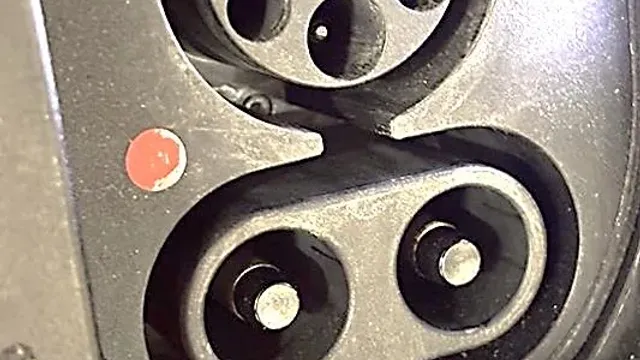
2022-2025 Hyundai Ioniq 5/6 DC Pin Cap Replacement TSB 25-EV-003H
Hyundai Technical Service Bulletin 25-EV-003H details the replacement of missing Inlet 5-Pin Combo DC insulation caps in 2022-2025 Hyundai Ioniq 5, Ioniq 6, and Ioniq 5 N vehicles. This repair prevents potential damage to the charge port.
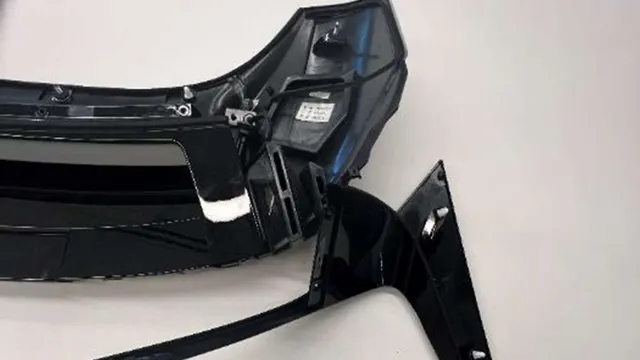
2022-2023 Hyundai Ioniq 5 Spoiler Molding Separation TSB
Hyundai has issued Technical Service Bulletin 24-BD-009H for 2022-2023 Ioniq 5 vehicles experiencing spoiler molding lifting or separation near the Center High Mount Stop Lamp. This TSB outlines the repair procedure and required parts for certified dealers.
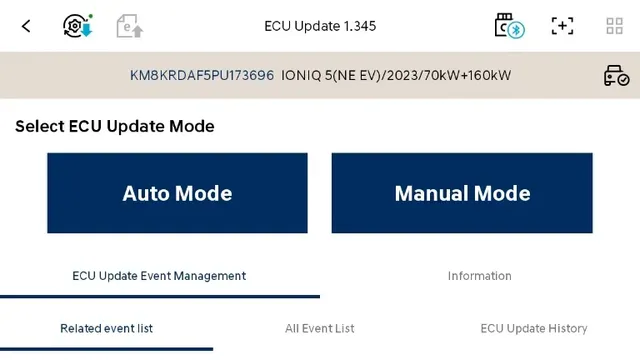
2022-2025 Hyundai Ioniq 5 / Ioniq 6 VCU Limp Home Enhancement
Hyundai service campaign 24-01-088H addresses a condition in 2022-2025 Ioniq 5 and Ioniq 6 vehicles where a low 12V battery voltage can trigger a 'fail-safe' mode. A VCU software update enhances limp home functionality, adjusting maximum speeds to prevent potential damage.
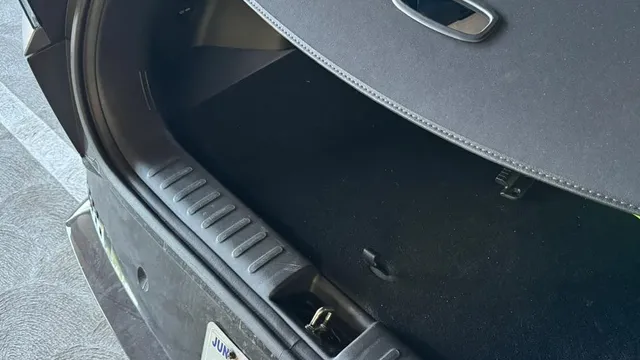
2022-2025 Hyundai Ioniq 5 Tailgate Rattle & Noise TSB 24-BD-012H
Hyundai has issued Technical Service Bulletin 24-BD-012H for 2022-2025 Ioniq 5 vehicles experiencing tailgate rattle and friction noises. The bulletin outlines a rework procedure involving guide bumper replacement and tailgate adjustment to resolve the issue.
2022-2024 Hyundai Ioniq ICCU Charging Fault TSB 24-EV-004H
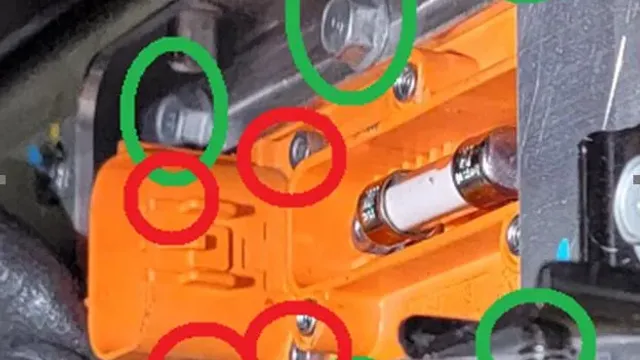
Hyundai Technical Service Bulletin 24-EV-004H provides critical instructions for repairing Integrated Charge Control Unit (ICCU) charging issues in 2022-2024 Ioniq 5 and Ioniq 6 vehicles. Addresses DTCs P1A9096 and P1B77 related to DC-to-DC charging and inoperative AC charging.
2022-2024 Hyundai Ioniq 5 / Ioniq 6 Charging Issue TSB
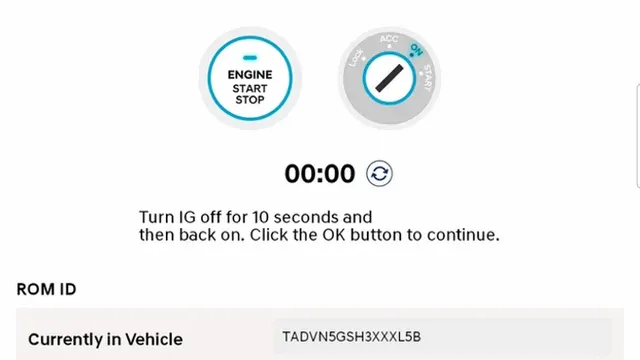
Hyundai Technical Service Bulletin 24-01-051H (Service Campaign 9B5) addresses a charging logic issue in certain 2022-2024 Hyundai Ioniq 5 and 2023-2024 Ioniq 6 vehicles. Owners may experience interrupted charging sessions or reduced charging speeds when using a 240V AC (Level 2) charger. A…
2023-2024 Hyundai Ioniq 5 TMK Sealant Leakage TSB
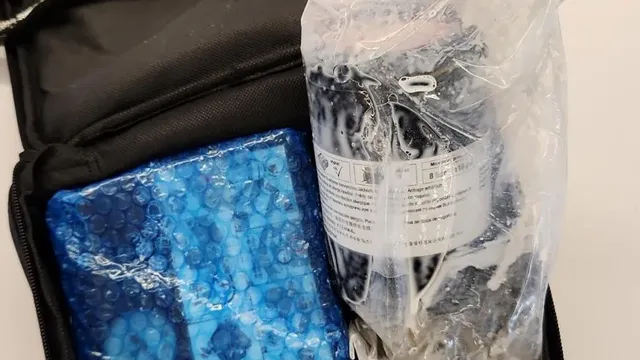
Hyundai has issued Technical Service Bulletin 24-01-019H for certain 2023-2024 Ioniq 5 vehicles regarding potential sealant leakage from the Tire Mobility Kit (TMK). This bulletin outlines inspection and replacement procedures to address the leakage and any contamination.
2022-2024 Hyundai Ioniq 5 & 6 VCU Software Update
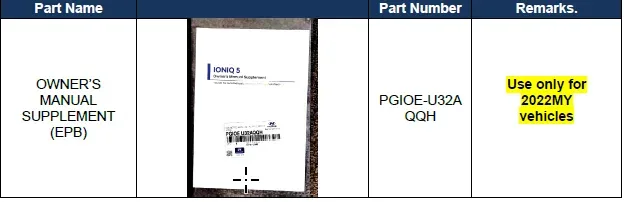
Hyundai's Service Campaign 9A1, detailed in TSB 23-01-067H-1, provides a Vehicle Control Unit (VCU) software update for 2022-2024 Ioniq 5 and Ioniq 6 electric vehicles. This update enhances several key systems, including regenerative braking, i-Pedal operation, Electronic Parking Brake (EPB)…
2022-2023 Hyundai Ioniq 5 & 6 VCU Software Update
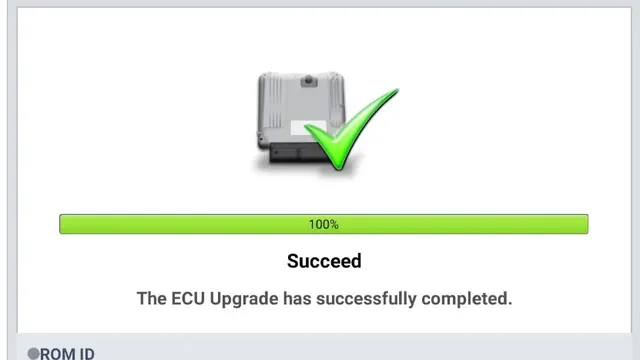
Hyundai Service Campaign 23-01-067H-1 provides a Vehicle Control Unit (VCU) software update for 2022-2023 Ioniq 5 and 2023 Ioniq 6 models. This update improves regenerative braking, i-Pedal, 12V battery saver logic, and other vehicle functions.
2022-2023 Hyundai Ioniq 5/6 EV Charging Port Cap TSB
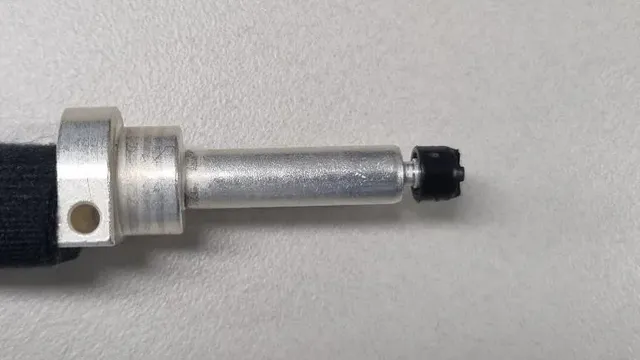
Hyundai Technical Service Bulletin 23-EV-006H details the inspection and replacement of EV charging port insulation caps for 2022-2023 Ioniq 5 and 2023 Ioniq 6 vehicles. This ensures proper charger connector orientation and fit.
2022-2023 Hyundai Ioniq 5 VCU Software Update
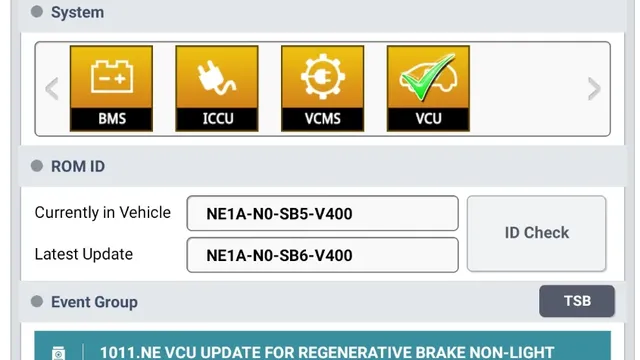
Hyundai has released Technical Service Bulletin 23-01-067H (Campaign 9A1) for 2022-2023 Ioniq 5 Electric vehicles, providing a Vehicle Control Unit (VCU) software update to enhance various functions including regenerative braking, i-Pedal, and Electronic Parking Brake operation.
2023 Hyundai Ioniq 5 Power Tailgate Latching Issue TSB
Hyundai Service Campaign 23-01-059H addresses a power tailgate latching issue in certain 2023 Ioniq 5 and Ioniq 6 models. Owners may experience a poorly closing tailgate or a liftgate warning chime. A software update to the Power Tailgate Module (PTGM) is available.