The 2024 Hyundai Ioniq 5 has no reported recalls, owner complaints, or federal investigations. However, Hyundai has issued several service bulletins addressing issues such as motor grinding noise, charging door gaps, and BlueLink activation problems. Owners should be aware of these potential…
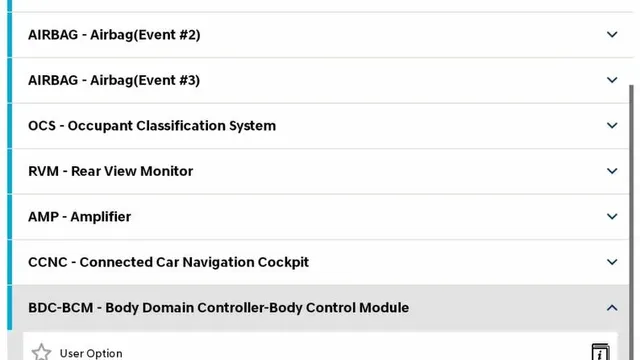
Hyundai Technical Service Bulletin 26-BE-009H addresses a "NO START OR UNABLE TO ENTER READY MODE" condition in some 2025 Ioniq 5 (NEA EV) vehicles. This TSB outlines the procedure to inspect and potentially replace the Body Domain Control (BDC) module.
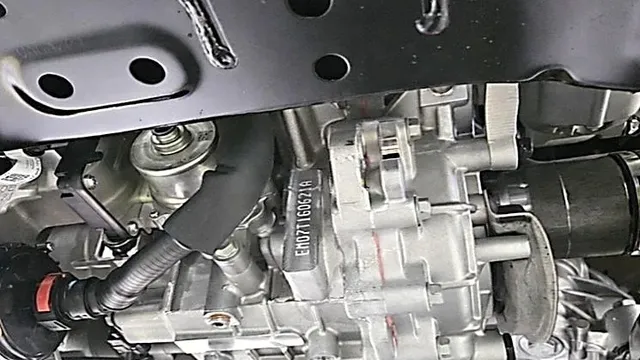
Hyundai has issued Technical Service Bulletin 26-01-029H (Campaign LA9) for 2025 Ioniq 5 and 2026 Ioniq 9 vehicles. This bulletin addresses a high-frequency noise from the front motor area during low-speed deceleration, detailing the replacement of the front motor and reduction gear assembly.
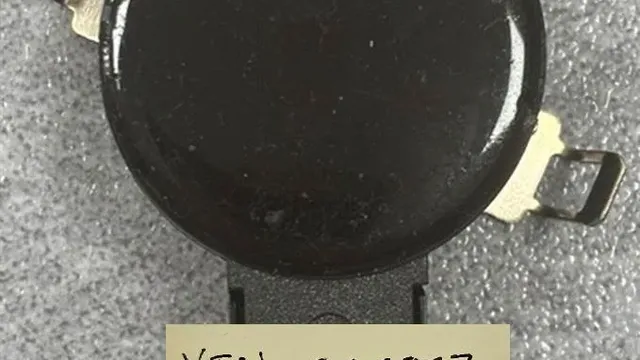
Hyundai has issued Technical Service Bulletin 26-BE-006H for certain 2025 Ioniq 5 vehicles experiencing inoperative automatic front wipers. This issue is often caused by a contaminated rain sensor lens and requires inspection and potential replacement.
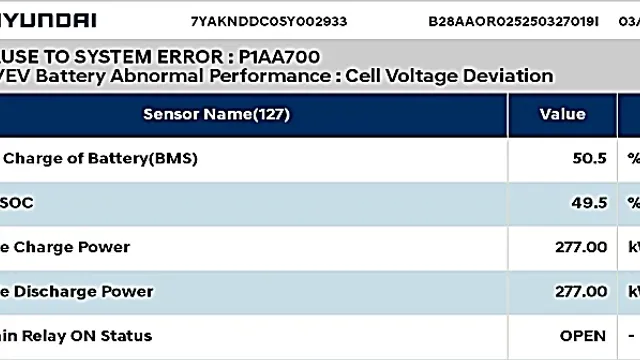
Hyundai has issued Technical Service Bulletin (TSB) 26-EV-002H for certain 2025 Ioniq 5 vehicles. This TSB addresses a condition where a voltage difference between battery cells prevents the High Voltage Battery from fully charging, often indicated by DTCs P1AA700 or P1AD300.
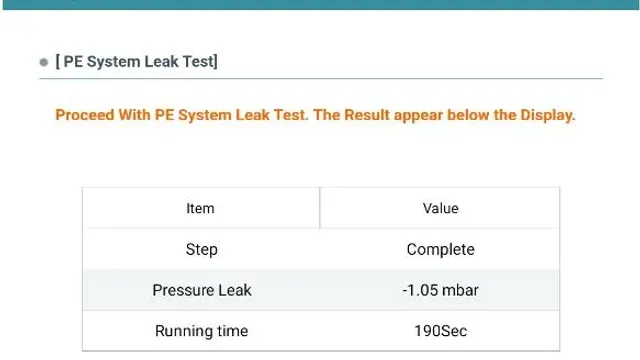
Hyundai's Service Campaign 25-01-056H addresses a potential noise issue in the Motor-Gear Drive Unit (MGDU) of certain 2025 Ioniq 5 vehicles. This is caused by a missing wave washer, requiring replacement of the MGDU assembly.
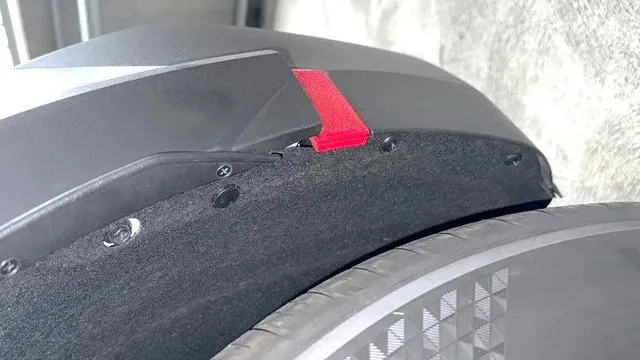
Hyundai's Service Campaign TCY, TSB 25-01-037H-1, addresses 2025 Ioniq 5 models (NEA EV) that may have missing rear license plate mounting holes. This bulletin outlines the inspection and replacement procedure for the rear bumper cover to ensure proper license plate installation.
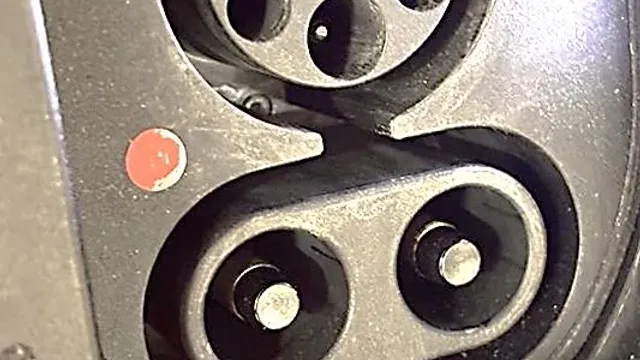
Hyundai Technical Service Bulletin 25-EV-003H details the replacement of missing Inlet 5-Pin Combo DC insulation caps in 2022-2025 Hyundai Ioniq 5, Ioniq 6, and Ioniq 5 N vehicles. This repair prevents potential damage to the charge port.
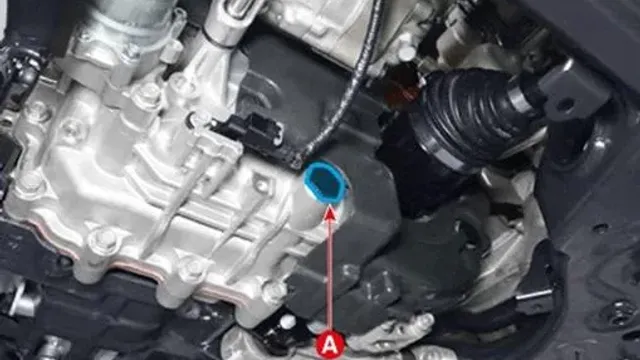
Hyundai has released Technical Service Bulletin 25-01-042H to address a grinding or whining noise originating from the Motor and Reduction Gear System (MGDU) in certain 2023-2024 Ioniq 5 and 2024 Kona Electric vehicles. The issue stems from an incorrect amount of oil/fluid during manufacturing…
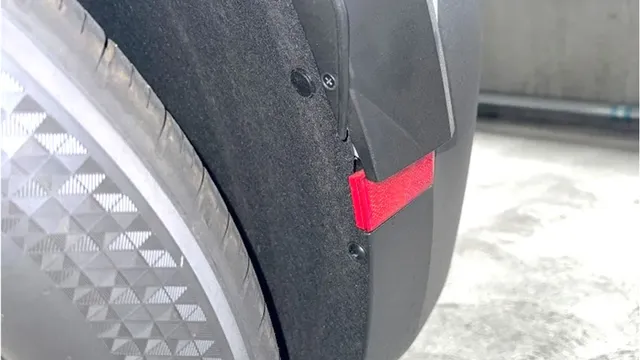
Hyundai has issued Technical Service Bulletin 25-01-037H for certain 2025 Ioniq 5 vehicles that may be missing rear license plate mounting holes. This TSB outlines inspection and replacement procedures.
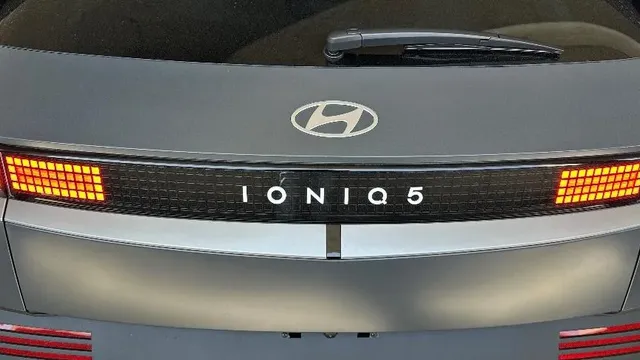
Hyundai Technical Service Bulletin 25-BE-011H details an issue with certain 2025 Ioniq 5 vehicles where LEDs in the inner rear combination lamp may be inoperative. This bulletin provides inspection and replacement guidelines.
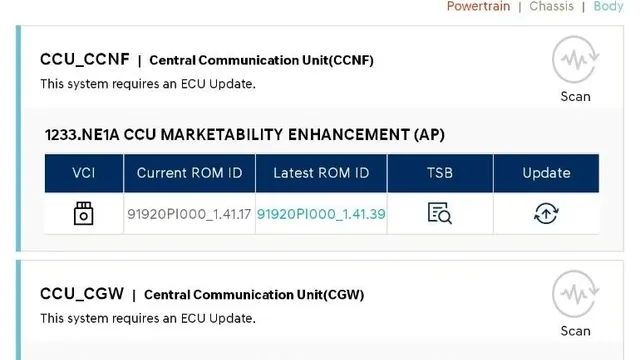
Hyundai Technical Service Bulletin 25-BE-009H addresses a Central Communication Unit (CCU) software update for the 2025 Ioniq 5. This update enables Plug & Charge service and involves two key events, 1233 (AP) and 1234 (MCU), which can be performed via Ethernet or OTA.
Hyundai Motor America (Hyundai) is recalling certain 2023-2024 Ioniq 5 vehicles. The high voltage battery cells may contain misaligned electrodes, which can lead to a fire while parked or driving.
Hyundai Motor America (Hyundai) is recalling certain 2022-2024 IONIQ 5, 2023-2025 IONIQ 6, Genesis GV60, Genesis GV70 "Electrified," and Genesis G80 "Electrified" vehicles. The Integrated Charging Control Unit (ICCU) may become damaged and stop charging the 12-volt battery, which can result in a loss of drive power.
Hyundai Motor America (Hyundai) is recalling certain 2022-2024 IONIQ 5, 2023-2024 IONIQ 6, Genesis GV60, Genesis GV70 "Electrified," and Genesis G80 "Electrified" vehicles. The Integrated Charging Control Unit (ICCU) may become damaged and stop charging the 12-Volt battery, which can result in a loss of drive power.
I am reporting a suspected safety defect involving inconsistent deceleration behavior in my 2026 Hyundai IONIQ 5. I regularly use Hyundai’s i-PEDAL one-pedal-driving mode. In this mode, releasing the accelerator produces strong regenerative deceleration and can bring the vehicle to a stop. However, the vehicle does not retain this selected driving behavior after it is turned off and restarted. It reverts to a mode requiring substantially more use of the brake pedal. The behavior also changes in connection with shifting into reverse. In a Costco parking lot in [XXX], I stopped near the customer pickup area while using i-PEDAL. I briefly turned off the vehicle while a passenger loaded groceries. When I restarted and began moving, I expected the strong accelerator-release deceleration the vehicle had provided immediately before shutdown. Instead, the vehicle continued moving because i-PEDAL had been reset. A crosswalk ahead contained pedestrians, and I had to apply the brake pedal to avoid striking them. No collision or injury occurred, but this was a serious near-miss. The concern is not simply that the vehicle offers different regenerative-braking settings. The safety concern is that a driver-selected setting that materially affects accelerator-release deceleration changes automatically after a brief shutdown or simply backing up. A driver who has adapted to i-PEDAL may reasonably expect the vehicle to decelerate as it did moments earlier. The regeneration level should be set and remain as the driver prefers, not reset on each start or backup of the vehicle. I request that NHTSA evaluate whether this inconsistent default behavior creates an unreasonable risk of unintended vehicle movement or pedestrian collisions and whether the vehicle should retain the selected mode or provide a prominent warning requiring driver acknowledgment whenever the deceleration behavior changes. INFORMATION REDACTED PURSUANT TO THE FREEDOM OF INFORMATION ACT (FOIA), 5 U.S.C. 552(B)(6)
No injuries · No fire · No crash
Active powertrain failure on my 2022 Ioniq 5 SE, which poses an immediate and severe safety risk. On May 18, 2026, the vehicle suffered a catastrophic loss of power and a complete failure to charge. At Murdock Hyundai of Lindon, technicians diagnosed it with trouble code P1AA600 and recommended a total high-voltage battery pack replacement at a cost of over $44,000. Immediate Fire & Safety Risk: The dealership technician explicitly warned me that if I continue to attempt to drive or plug in the vehicle, it will cause an electrical fire. Visible Electrical Arcing: The service technician stated that they physically witnessed an electrical arc occur when connecting the vehicle's high-voltage charging components. The technician's diagnosis strongly points to a catastrophic internal short circuit or a failed Power Relay Assembly (PRA) within the high-voltage housing. The company completely stopped working and Hyundai would not help. This has been an ongoing issue with other cars too. I tried multiple times working with both the deal and Hyudnai.
No injuries · No fire · No crash
Vehicle stopped responding at freeway speeds. Pedals didn’t do anything. Slowly pulled over and off freeway powered off car and back on again. Was able to continue driving home. Almost got stuck in the middle of the freeway
No injuries · No fire · No crash
The vehicle will not turn off. I returned it to the Dealer, Oakland Hyundai, and their service department has had the vehicle since 7/27/26. When I brought the vehicle in to service it had 2,519 miles. Service rep has advised that technicians are trying to find the faulty part and have been unsuccessful to date. A technician from another location is scheduled to see the vehicle during the week of 8/31/26. I have filed a case with Hyundai America and will send a demand for restitution on 8/28/26. I view this situation as a clear safety issue - the car will not turn off.
No injuries · No fire · No crash
While driving on the freeway with adaptive cruise control and lane keeping assistance on heading east into the morning sun my car suddenly attempted to veer strongly to the left as I exited the shadow of an overpass. I was able to stop the lane assist because I had a firm two handed grip on the steering wheel. Even with the firm grip and attentive driving I nearly left my lane as the wheels suddenly and strongly jerked to the left.
No injuries · No fire · No crash