2011-2026 Audi Cigarette Lighter Not Working TSB
Audi has released Technical Service Bulletin (TSB) 2010353/6 addressing issues where the cigarette lighter element does not eject or the socket is inoperable. This TSB covers 2011-2026 Audi models and explains how using certain 12V adapters can lead to problems.
 Sarah Mitchell2023 Audi e-tron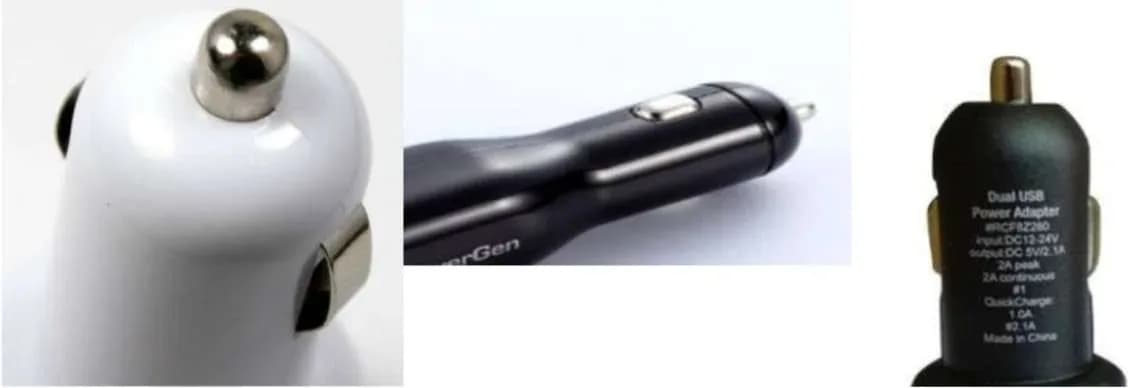
Gilt auch für
- Audi A3
- 2022–2026
- Audi A4
- 2021–2025
- Audi A4 allroad
- 2021–2025
- Audi A5
- 2021–2024
- Audi A6
- 2021–2025
- Audi A6 allroad
- 2021–2026
- Audi A7
- 2021–2025
- Audi A7 e
- 2021–2022
- Audi A8 L e
- 2021
- Audi e-tron
- 2021–2022
- Audi e-tron GT
- 2022–2026
- Audi e-tron Sportback
- 2021–2022
- Audi Q3
- 2021–2025
- Audi Q5
- 2021–2025
- Audi Q5 e
- 2021, 2023, 2024, 2025
- Audi Q7
- 2021–2026
- Audi Q8
- 2021–2026
- Audi R8
- 2021–2023
- Audi RS 3
- 2022, 2023, 2024, 2026
- Audi RS 5
- 2021–2024
- Audi RS 6 Avant
- 2021–2026
- Audi RS 7
- 2021–2026
- Audi RS e-tron GT
- 2022, 2023, 2024, 2026
- Audi RS Q8
- 2021–2026
- Audi S e-tron GT
- 2026
- Audi S3
- 2022–2026
- Audi S4
- 2021–2025
- Audi S5
- 2021–2024
- Audi S6
- 2021–2025
- Audi S7
- 2021–2025
- Audi S8
- 2021–2026
- Audi SQ5
- 2021–2025
- Audi SQ7
- 2021–2026
- Audi SQ8
- 2021–2026
- Audi TT
- 2021–2023
- Audi TT RS
- 2021–2022
- Audi TTS
- 2021–2023
▸ 31 weitere anzeigen▾ Weniger anzeigen
Audi has issued Technical Service Bulletin (TSB) 2010353/6 to address concerns regarding the cigarette lighter system in various models from 2011 to 2026. This bulletin provides crucial information for owners experiencing issues where the "Cigarette lighter element does not eject" or the "cigarette lighter socket INOP" (inoperable). The TSB aims to clarify the underlying causes of these malfunctions, which often stem from how the 12V power sockets are used, rather than a manufacturing defect.
The information in TSB 2010353/6 is particularly relevant for owners of vehicles like the 2023 Audi e-tron cigarette lighter not working, as it details how common user actions can inadvertently lead to system failure. Understanding these conditions can help prevent unnecessary repairs and ensure the proper function of your vehicle's electrical accessories.
Symptoms of a Malfunctioning Cigarette Lighter
Owners might notice several symptoms indicating a problem with their Audi's cigarette lighter or 12V power socket. These observations are categorized into customer and workshop complaints within the TSB:
Customer-Reported Issues
Customers may report issues with the power supply in their vehicle's electrical system, specifically concerning the 12V sockets. These complaints include:
- Center Console 12V Socket Functionality: The front center console 12V socket may exhibit "functionality -> no function," meaning it provides no power to connected devices. This can affect charging phones, powering GPS units, or other accessories.
- Loose Components in 12V Socket: The front center console 12V socket might have a "component, automotive fluids -> loose" condition. This suggests a physical issue within the socket, potentially caused by foreign objects or repeated insertion of ill-fitting adapters.
- Cigarette Lighter Functionality: The dedicated cigarette lighter socket may also show "functionality -> no function," preventing the lighter from heating up or accessories from receiving power.
- Loose Cigarette Lighter Components: Similar to the 12V socket, the cigarette lighter itself might have a "component, automotive fluids -> loose" issue, indicating a physical problem with the lighter element or its housing.
Workshop-Identified Issues
When a vehicle is brought to a workshop for these issues, technicians might identify the following underlying problems:
- Faulty Fuse: The electrical system connected to the cigarette lighter may have an "electrical -> fuse faulty" condition, indicating a blown fuse. This is a common protective measure against overcurrent.
- No Functionality: The cigarette lighter may simply show "functionality -> no function" upon inspection, confirming the customer's complaint without an obvious external cause.
Diagnosis and Trigger Conditions
TSB 2010353/6 outlines specific conditions that help diagnose the problem, distinguishing between two primary scenarios that lead to cigarette lighter malfunction. It's important to note that for these particular issues, the TSB explicitly states: "No relevant DTCs are logged."
Condition 1: Multiple Concurrent Failures
This condition applies if all three of the following complaints or findings occur together:
- "The cigarette lighter insert is sticking."
- "The cigarette lighter does not work."
- "The vehicle fuse for the cigarette lighter has tripped but the wiring is OK."
This specific combination of symptoms suggests a more complex issue involving both mechanical binding of the lighter element and an electrical fault indicated by a tripped fuse, despite the wiring itself being intact. This scenario points towards issues with the lighter element or socket mechanism.
Condition 2: Fuse Trip Only
This condition applies if only one issue is present:
- "The vehicle fuse for the cigarette lighter has tripped."
In this case, after replacing the fuse, the system typically functions as usual, and no irregularities can be detected in the wiring. This indicates a temporary overload or surge that caused the fuse to blow, rather than a persistent mechanical problem or wiring defect. It often suggests an external factor, such as a high-power device, caused the fuse to trip as a protective measure.
Understanding the Cause: Why Your Cigarette Lighter Fails
The technical background provided in TSB 2010353/6 explains the mechanics behind these malfunctions. The core issue often relates to the design of the cigarette lighter socket and its interaction with various 12V adapters.
Bi-Metallic Clips and 12V Adapters
The cigarette lighter socket contains crucial bi-metallic clips, as illustrated in Figure 1 of the original document. These clips are designed to securely hold the cigarette lighter element in place and ensure proper electrical contact. However, when the socket is frequently used as a general 12V electrical socket for various adapters (like those shown in Figure 2), these bi-metallic clips can become widened. Many 12V adapters have different shapes and contact designs compared to the standard cigarette lighter element, which can exert outward pressure on these delicate clips. The TSB highlights that these adapters can have different shapes and contacts, making them incompatible with the precise fit required by the cigarette lighter mechanism.
Once the bi-metallic clips are widened, the cigarette lighter insert (Figure 3), which is the heating element, may no longer fit correctly in the socket. This can lead to the lighter popping out prematurely, before it reaches the necessary temperature to ignite a cigarette. This premature ejection is a common complaint, as the insert cannot maintain proper contact or heat sufficiently.
Overheating Protection and Fuse Trips
To counteract the lighter popping out too early, some users might try to hold the cigarette lighter down by hand (as depicted in Figure 4). While seemingly a solution to the premature ejection, this practice can cause the cigarette lighter element to heat up for an extended period, significantly exceeding its normal operating temperature. All cigarette lighters used by Audi are equipped with an overheating protection measure, a critical safety feature. When a certain temperature threshold is surpassed due to prolonged heating, this protection mechanism activates, tripping the vehicle fuse and permanently disabling the cigarette lighter. This is a design feature intended to prevent potential hazards from excessive heat, such as fire or damage to the vehicle's electrical system. This safety mechanism is why a 2023 Audi e-tron cigarette lighter not working might be a permanent issue after such an event.
Important Warnings and Prevention
Audi's TSB 2010353/6 includes critical warnings and recommendations to prevent damage and ensure safe operation of your vehicle's power outlets. Owners should pay close attention to these guidelines to avoid issues and potential repair costs:
- Power Rating Limit: The TSB explicitly states: "Electrical equipment with a power rating of more than 100 watts must not be used with the cigarette lighter." Exceeding this limit can cause the vehicle fuse to trip or trigger the igniter's overheating protection, leading to malfunction. The only exception mentioned is the compressor found in the breakdown set, which is specifically designed and approved for use with the cigarette lighter socket.
- Use of 12V Socket: If your vehicle is equipped with a dedicated 12V socket (as shown in Figure 5), it "should always be used for external electrical equipment." This separate socket is designed to handle various accessories without the risk of damaging the cigarette lighter's bi-metallic clips or triggering its overheating protection. Always refer to your Owner's Manual for proper installation and usage guidelines for the 12V socket, as it provides the most suitable connection point for most accessories.
- Warranty Exclusion: It is crucial for owners to understand that "This damage is due to outside influence and is not covered by any Audi warranty." This means that issues arising from improper use of the cigarette lighter socket, such as using high-wattage devices, repeatedly widening the clips with incompatible adapters, or manually holding the lighter down, will likely not be covered under warranty. Owners will be responsible for any associated repair costs.
Owner Action and Recommendations
If you are experiencing issues with your Audi's cigarette lighter or 12V socket, or wish to prevent them, consider the following actions based on TSB 2010353/6:
- Identify the Socket Type: Determine if your vehicle has a dedicated 12V power socket in addition to the cigarette lighter. The 12V socket is typically marked with a '12V' symbol and is the preferred port for charging devices and powering most accessories.
- Use the Correct Socket: Always use the dedicated 12V socket for external electrical equipment, especially for devices that draw significant power. Reserve the cigarette lighter socket for its intended purpose (cigarette ignition) if you use it at all. This prevents damage to the bi-metallic clips.
- Check Power Ratings: Be mindful of the power consumption of any device you plug into your vehicle's outlets. Avoid using equipment with a power rating exceeding 100 watts in the cigarette lighter socket to prevent fuse trips and activation of the overheating protection.
- Avoid Manual Intervention: Do not attempt to hold the cigarette lighter element down manually. This action can cause it to overheat, trip the fuse, and potentially lead to permanent damage to the lighter system. If your 2023 Audi e-tron cigarette lighter not working is due to this, it may require professional service.
- Consult Your Owner's Manual: For detailed information on the proper use and installation of accessories in your specific Audi model, always refer to your vehicle's Owner's Manual. It provides model-specific guidance on power outlets and their limitations.
By following these recommendations, you can help ensure the longevity and proper function of your Audi's power outlets and avoid issues like the cigarette lighter not working.
TSB Revision History
This Technical Service Bulletin (Transaction No. 2010353/6) has undergone several revisions to include updated information and expanded model year coverage, reflecting Audi's ongoing commitment to providing accurate service information. The current revision is 6, released on July 25, 2025.
- Revision 6 (Current): This latest revision updated the header to include additional model years, revised the condition statements for clarity, and updated the technical background with new images to better illustrate the components and issues.
- Revision 5 (September 23, 2013): This revision updated the title of the TSB, added more model years to the header data, and revised all sections with additional content and formatting improvements to enhance readability and comprehensiveness.
- Revision 4 (August 10, 2010): This initial revision updated header data with added model years and revised all sections for formatting, laying the groundwork for subsequent updates.
Source: NHTSA ID: 11021438, TSB ID: 2010353/6
Galerie
5 Bilder
Frequently Asked Questions
- What is Audi TSB 2010353/6 about?
- Audi TSB 2010353/6 addresses issues where the cigarette lighter element does not eject or the cigarette lighter socket is inoperable. It explains common causes, such as the use of various 12V adapters that can damage the socket's internal clips, and the risks of manually holding the lighter down.
- Why is my Audi cigarette lighter not working, even after replacing the fuse?
- If your Audi cigarette lighter is not working and the fuse has tripped, it might be due to the vehicle's overheating protection system. If the lighter was held down manually or used with high-wattage devices, it could have overheated, causing the fuse to blow and potentially permanently disabling the lighter as a safety measure. This is covered in Audi TSB 2010353/6.
- Can using 12V adapters damage my Audi's cigarette lighter socket?
- Yes, according to Audi TSB 2010353/6, using various 12V adapters can widen the bi-metallic clips inside the cigarette lighter socket. This can prevent the cigarette lighter element from fitting correctly or ejecting properly, leading to a "Cigarette lighter socket INOP" condition.
- Is damage to the cigarette lighter covered under Audi's warranty?
- No, Audi TSB 2010353/6 explicitly states that damage to the cigarette lighter system resulting from "outside influence" (such as improper use of 12V adapters or exceeding power limits) is not covered by any Audi warranty.
- What should I use instead of the cigarette lighter for charging devices in my Audi?
- Audi TSB 2010353/6 recommends using a dedicated 12V socket, if available in your vehicle, for all external electrical equipment. This socket is designed to handle various accessories without affecting the cigarette lighter's specific mechanism. Always consult your Owner's Manual for guidance.
Related Articles
Should 2023 Audi e-tron Owners Worry? Recall & TSB Roundup
The 2023 Audi e-tron faces significant safety concerns, including recalls for potential brake pedal detachment and charging cable overheating. Owners have also reported serious issues like unintended acceleration and electrical system malfunctions. This guide covers all known problems and solutions.
2023 Audi e-tron Brake Pedal Recall
Audi has issued a recall (NHTSA ID: 26V240000, Audi Recall 46P7) for certain 2019-2024 E-Tron and 2020-2024 E-Tron Sportback vehicles, including the 2023 Audi e-tron. The recall addresses a potential issue where the brake pedal may detach from the brake booster, leading to a loss of brake function.
2015-2027 Audi Noise Diagnosis with Frequency Analysis App TSB
Audi has released Technical Service Bulletin 2051095/11 detailing the Audi Frequency Analysis app. This app helps technicians diagnose noise complaints more precisely across 2015-2027 Audi models. Learn how the app works, where to download it, and its features for effective vehicle noise analysis.
2023 Audi e-tron AC/DC Charging Not Possible TSB
This manufacturer communication (NHTSA ID 11031035) provides critical information for 2023 Audi e-tron owners facing issues with AC/DC charging. It specifically highlights problems linked to software version 00C6: 0093/3119, which can prevent the vehicle from charging.
2023-2025 Audi Rear Seat Reminder Message TSB 2074943/2
Audi Technical Service Bulletin 2074943/2 explains the instrument cluster message 'Please check rear seats and be aware of door safelock' in various 2023-2025 Audi models. This informational TSB details the rear occupant detection system designed to prevent children and pets from being left in…
Leave a comment
Comments are moderated and may take a moment to appear. Only your first name and the initial of your last name are shown publicly.
Comments
Be the first to comment.