2016-2026 Audi Exterior Light Moisture Accumulation TSB
Audi Technical Service Bulletin 94 24 73 2012749/17 addresses moisture accumulation in exterior lights for 2016-2026 Audi vehicles. It differentiates between normal condensation and abnormal issues requiring inspection, providing diagnostic guidance for headlights, taillights, and other exterior…
 Sarah Mitchell2021 Audi e-tron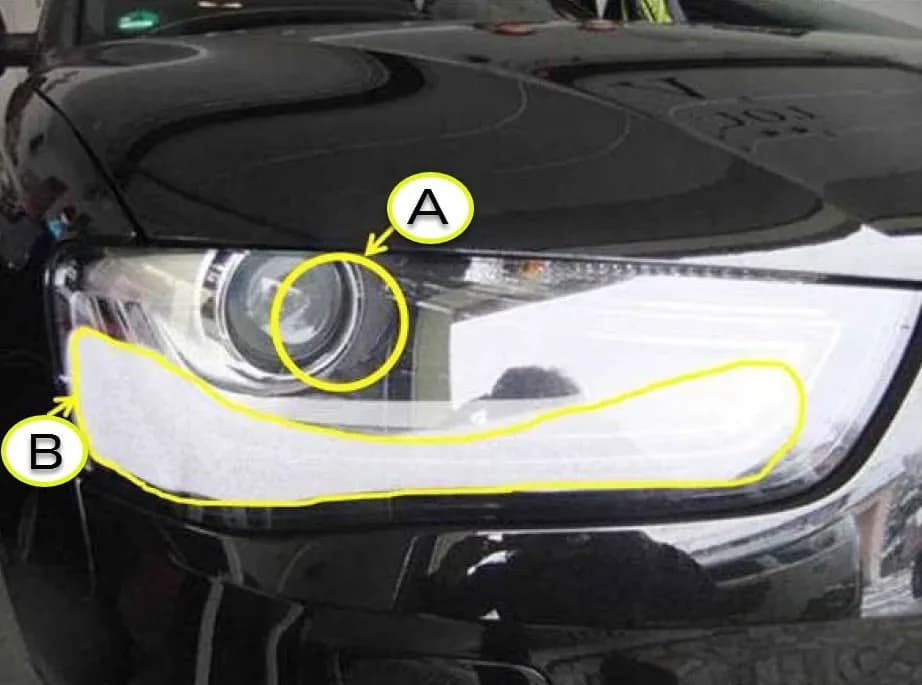
Also applies to
- Audi A3
- 2022–2025
- Audi A4
- 2021–2025
- Audi A4 allroad
- 2021–2025
- Audi A5
- 2021–2025
- Audi A6
- 2021–2025
- Audi A6 allroad
- 2021–2025
- Audi A7
- 2021–2025
- Audi A7 e
- 2021–2022
- Audi A8 L e
- 2021
- Audi e-tron
- 2022–2023
- Audi e-tron GT
- 2022–2025
- Audi Q3
- 2021–2025
- Audi Q5
- 2021–2025
- Audi Q5 e
- 2024–2025
- Audi Q7
- 2021–2025
- Audi Q8
- 2021–2025
- Audi R8
- 2021–2023
- Audi RS 3
- 2022–2025
- Audi RS 5
- 2021–2025
- Audi RS 6 Avant
- 2021–2024
- Audi RS 7
- 2021–2025
- Audi RS e-tron GT
- 2022–2024
- Audi RS Q8
- 2021–2025
- Audi S e-tron GT
- 2026
- Audi S3
- 2022–2025
- Audi S4
- 2021–2025
- Audi S5
- 2021–2025
- Audi S6
- 2021–2025
- Audi S7
- 2021–2025
- Audi S8
- 2021–2025
- Audi SQ5
- 2021–2025
- Audi SQ7
- 2021–2025
- Audi SQ8
- 2021–2025
- Audi TT
- 2021–2023
- Audi TT RS
- 2021–2022
- Audi TTS
- 2021–2023
▸ Show 30 more▾ Show fewer
Audi has released Technical Service Bulletin (TSB) 94 24 73 2012749/17 to address customer concerns regarding Audi exterior lights moisture accumulation. This TSB, applicable to all Audi vehicles from model years 2016 to 2026, clarifies the difference between normal condensation and abnormal moisture issues in exterior lighting components.
This bulletin provides guidance for technicians on how to diagnose and address instances of moisture inside headlights, taillights, fog lights, side marker lights, front turn signals, daytime running lights, and third brake light lenses.
Symptoms of Exterior Light Moisture
Owners may observe visible condensation or moisture on the inside of various exterior light lenses. This can include:
- Headlights
- Taillights
- Fog lights
- Side marker lights
- Front turn signals
- Daytime running lights
- Third brake light lens
Important Warnings for Owners
Audi TSB 94 24 73 2012749/17 includes several critical points for owners to understand regarding Audi exterior lights moisture:
- Normal condensation is NOT a condition covered under warranty. This means that if the moisture is determined to be normal, repair costs will not be covered.
- Parts replacement will not correct the concern and the customer will likely still experience the same issue if the moisture is normal condensation. Replacing components unnecessarily will not resolve the underlying environmental factors.
- Leaving a vehicle stationary with lamps on is NOT sufficient for clearing moisture. The ventilation system requires vehicle movement to effectively clear condensation.
Understanding Normal Condensation
Exterior lights on Audi vehicles are designed as open systems, allowing outside air to circulate for pressure equalization. This design is necessary to prevent damage from pressure differences. In certain conditions, such as winter or wet weather, humidity in the air can lead to condensation inside the lenses. This phenomenon is often described by owners as "condensation on the lens, moisture in the lamp."
Condensation typically occurs when the vehicle is parked after use. Residual heat from the engine warms the back of the headlight, while the outside air cools the lens, creating a temperature difference that causes humidity to condense on the inner surface. Driving through a car wash or using a steam cleaner can also increase humidity within the component.
Normal amounts of moisture or condensation:
- Does not affect the performance of the headlight or taillight.
- Does not cause corrosion inside the component.
- Can occur on any lamp.
- May vary depending on environmental conditions and driving habits.
Diagnosing Abnormal Moisture Issues
To determine if the Audi exterior lights moisture is abnormal, a specific diagnostic procedure is outlined. This involves a test drive to allow the vehicle's ventilation system to clear any normal condensation. Technicians are instructed to use a "Checklist" and "Flowchart" (referenced in the TSB's attachments) to guide their diagnosis.
During the test drive, the main beam of the affected light should be on. The vehicle must be driven consistently over 45 mph for approximately 10 minutes to ensure proper ventilation. After this test drive, the light emission surface (Figure 4A in the TSB) should be clear.
If water drops or condensation remain on the light emission surface after performing the test drive, it indicates an abnormal amount of moisture. In such cases, the headlamp assembly must be inspected for a root cause, which could include:
- A missing cover
- A damaged seal
- A clogged drain
- Outside influence
- A disconnected vent tube from the headlamp
Technicians are required to take photos before and after the initial diagnostic step for visual comparison and retain them for at least one month after claim submission.
Repair Procedure Summary
For abnormal moisture conditions, the repair procedure involves identifying and rectifying the root cause, such as replacing a missing cover or repairing a damaged seal. The TSB emphasizes that simply replacing parts without addressing the underlying cause will not resolve the issue if the moisture is normal condensation.
Technicians are also directed to follow instructions in TSB 2061922, titled "94 How to properly document optical concerns for headlights and taillights," for proper repair documentation.
Revision History of TSB 94 24 73 2012749/17
This Technical Service Bulletin has undergone several revisions to include additional model years and update diagnostic information:
- Revision 17 (March 9, 2024): Updated to include MY25 vehicles, revised attachments (checklist and flowchart), and updated service verbiage and steps.
- Revision 16 (May 9, 2023): Updated to include MY23 and MY24 vehicles, and provided updated technical background information.
- Revision 15 (February 17, 2021): Updated to include MY22 vehicles and attachments, and added a reference to TSB 2061922. This bulletin supersedes Technical Service Bulletin Group 94 number 23-64, dated May 9, 2023.
Source: NHTSA ID: 10251666
Gallery
5 images
Frequently Asked Questions
- Why is there moisture in my Audi's headlights?
- Moisture in your Audi's headlights, taillights, or other exterior lights is often normal condensation. This occurs because the lights are designed as open systems for pressure equalization, and temperature differences can cause humidity in the air to condense on the inside of the lens, as explained in Audi TSB 94 24 73 2012749/17.
- When is moisture in my Audi's exterior lights considered normal?
- Moisture is considered normal if it clears after a test drive of approximately 10 minutes at speeds over 45 mph with the main beam on. Normal condensation does not affect light performance, cause corrosion, and is not covered under warranty.
- Will my Audi's exterior light moisture issue be covered under warranty?
- No, normal condensation in your Audi's exterior lights is explicitly stated as "NOT a condition covered under warranty" by Audi. Warranty coverage only applies if the moisture is determined to be abnormal after a thorough diagnostic process.
- What should I do if I see persistent Audi exterior lights moisture after driving?
- If you observe persistent Audi exterior lights moisture, such as water drops on the light emission surface, even after a test drive, you should have your vehicle inspected by an authorized Audi service center. This could indicate an abnormal issue like a missing cover, damaged seal, clogged drain, or disconnected vent tube, which may require repair.
Related Articles
2021 Audi e-tron Electrical Malfunction and Power Loss
A 2021 Audi e-tron owner reported a severe 'Electrical Malfunction' resulting in complete loss of power on the highway. The issue has persisted despite dealer attempts to fix it over five months, posing significant safety risks.
2021-2026 Audi UTR Troubleshooting & FAQs TSB 2081409/1
This Audi Technical Service Bulletin (TSB 2081409/1) provides comprehensive answers to frequently asked questions and troubleshooting steps for the Audi Universal Traffic Recorder (UTR) accessory, covering topics like SD card compatibility, video playback, Wi-Fi issues, and more.
2021-2025 Audi Emergency Call System Fault TSB
Audi has released Technical Service Bulletin 2059528/18 to address an "Emergency call function: malfunction! Function unavailable. Please contact service" warning, often accompanied by a red SOS LED and DTC B200000. This issue affects various 2021-2025 Audi models and is due to a software problem…
2021-2026 Audi Adaptive Light System Fault C12B3FA TSB
Audi has released Technical Service Bulletin 2054202/7 to address an intermittent 'Audi adaptive light: system fault' message and DTC C12B3FA in various 2021-2026 models. This TSB outlines diagnosis and resolution for driver assistance system malfunctions.
2021-2026 Audi Parking Aid False Warnings TSB 2024323/12
This Technical Service Bulletin (TSB 2024323/12) details diagnostic and repair procedures for 2021-2026 Audi vehicles experiencing false parking aid warnings. Learn about environmental factors, sensor checks, and proper installation to resolve issues like 'Parking aid does not work / warning is…
Leave a comment
Comments are moderated and may take a moment to appear. Only your first name and the initial of your last name are shown publicly.
Comments
Be the first to comment.