2021-2023 Audi Brake Noise TSB 2034181/19
This Technical Service Bulletin (TSB) addresses various types of brake noise, such as squealing, grinding, or creaking, in 2021-2023 Audi vehicles. It outlines common causes, diagnostic procedures, and potential remedies for technicians.
 David Chen2021 Audi e-tron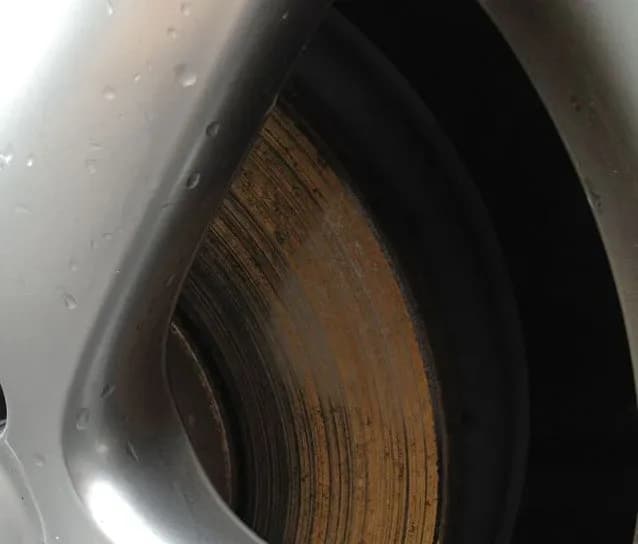
También aplica a
- Audi A3
- 2022
- Audi A4
- 2021–2023
- Audi A4 allroad
- 2021
- Audi A5
- 2021–2023
- Audi A6
- 2021–2023
- Audi A6 allroad
- 2021
- Audi A7
- 2021–2023
- Audi e-tron
- 2022–2023
- Audi e-tron GT
- 2022–2023
- Audi Q3
- 2021–2023
- Audi Q5
- 2021
- Audi Q7
- 2021–2023
- Audi Q8
- 2021–2023
- Audi R8
- 2021–2023
- Audi RS 3
- 2022
- Audi RS 5
- 2021–2023
- Audi RS 7
- 2021–2023
- Audi RS Q8
- 2021–2023
- Audi S3
- 2022
- Audi S4
- 2021–2023
- Audi S5
- 2021–2023
- Audi S6
- 2021–2023
- Audi S7
- 2021–2023
- Audi S8
- 2021–2023
- Audi SQ5
- 2021–2023
- Audi SQ7
- 2021–2022
- Audi SQ8
- 2021–2023
- Audi TT
- 2021–2023
- Audi TT RS
- 2021–2022
- Audi TTS
- 2021–2023
▸ Mostrar 24 más▾ Mostrar menos
Symptoms
Owners of affected Audi vehicles, including the Audi e-tron, may experience various brake noises from the front or rear brakes. These noises can be described as a "squeal, squeak, grinding, groaning, thumping, or creaking."
Why Your Audi's Brakes Are Noisy
Technical Service Bulletin (TSB) 2034181/19 identifies several common reasons for brake noise. Understanding these can help diagnose the specific Audi e-tron brake noise you might be hearing.
Potential causes include:
- Wear and tear: Brake discs or pads may be close to or below their wear limit.
- Improper bedding: New brake pads and/or discs might not have been properly embedded after installation.
- Aftermarket components: The use of aftermarket pads or discs can sometimes contribute to noise.
- Debris: Small stones, grit, road salt, or sand can get trapped between the brake disc and brake pad.
- Rust: Discs can develop rust, especially if the vehicle has not been driven for a long period.
- Grooved discs: Brake discs can become grooved over time.
- Chemical contamination: Chemical residue from wheel or tire cleaner sprayed directly onto the brake disc can cause discoloration and noise.
- Pad marks: Material transfer from brake pads to discs can occur if the vehicle is parked for extended periods in wet or snowy conditions.
Important Warnings for Owners
- Do not use this TSB if another brake noise TSB is applicable to your VIN. Always ensure the correct bulletin is being followed for your specific vehicle and issue.
- Warranty coverage: If your vehicle is outside of its warranty period (typically 48 months/50,000 miles), this Technical Service Bulletin is for informational purposes only, and any repairs may not be covered.
Diagnosis and Repair Process Summary
Diagnosing and resolving Audi e-tron brake noise involves a systematic approach by technicians. The process begins with a thorough inspection and may include specialized tools.
- Initial Inspection: Technicians will first check the overall condition of the brakes against the common causes listed in the technical background. If the noise isn't directly attributable to these causes, further steps are taken.
- Locate the Noise: Determining the exact location of the brake noise (e.g., left front, rear axle) is crucial. An assistant may be needed to listen from inside or outside the vehicle.
- Record and Document: Technicians are instructed to obtain a sound or video recording of the noise, preferably using the Audi analysis app (as referenced in TSB 2051095: 46 Audi frequency analysis). A questionnaire must also be filled out, providing detailed information about the conditions under which the noise occurs. Customer-provided recordings are acceptable.
- Brake Cleaning Procedure: This involves a specific sequence of actions to clean the brake pads and discs:
- Perform up to five ABS stops from speeds above 50 mph, allowing the brake components to cool for over a minute at speeds greater than 50 mph between each stop.
- Allow the vehicle to sit for two hours to cool down completely.
- Conduct a test drive to check if the noise has been eliminated.
- Technical Assistance: If the noise persists after the cleaning procedure, a Technical Assistance Center (TAC) ticket must be opened. This ticket should include the completed Brakes Acoustic Questionnaire, the sound/video recording (preferably from the Audi frequency app), a screenshot of the frequency analysis showing the peak frequency, and photos of the affected brake discs and pads (Figures 7-11) to clearly show their condition.
Known Brake Noise Frequencies and Suggestions
This TSB provides reference information on specific noise frequencies and corresponding inspection points for different brake systems. Technicians are advised to always review the ELSA Repair Manual and VIN-specific TSBs for the most accurate information.
For ATE-TEVES Brake Systems (PR codes: 1LF, 1LG, 1LL, 1ZK, 1LJ, 1LP):
- 1.6 KHz from front brakes: Inspect the front pads.
- 3.2 KHz / 11 KHz from front brakes: Inspect both front discs and pads.
For TRW Brake Systems (PR codes: 1LA, 1LB, 1LD, 1LT, 1ZT, 1J):
- 1.6 KHz to 1.7 KHz from front brakes: Inspect the front discs.
- 3.2 KHz from front brakes: Inspect, clean, and lubricate the guide pins in the caliper carrier using anti-seize paste G052560A2.
- 7.8 KHz from front brakes: Inspect the front pads.
Required Tools or Parts
- Audi analysis app: Used for recording and analyzing brake noise frequencies.
- Anti-seize paste G052560A2: Specifically recommended for lubricating guide pins in TRW brake systems.
Warranty Information
Warranty claims for this type of repair (Damage Code 0020, Labor Operation 4617 8099) are typically covered for vehicles up to 48 months or 50,000 miles. The labor operation includes cleaning brake pads and discs, road tests, and submitting an audio file and questionnaire. Diagnostic time for GFF and road tests are generally not allowed for reimbursement.
Related Technical Service Bulletins
This TSB may reference or be used in conjunction with other bulletins for a comprehensive diagnosis:
- TSB 2022584: 46 Brake pulsation diagnostic guidelines: For concerns related to brake pulsation.
- TSB 2051095: 46 Audi frequency analysis: Provides guidelines for using the Audi analysis app for noise diagnosis.
Source: NHTSA ID: 10207121
Galería
8 imágenes
Frequently Asked Questions
- What kind of brake noises does TSB 2034181/19 address for my Audi e-tron?
- TSB 2034181/19 addresses various brake noises such as "squeal, squeak, grinding, groaning, thumping, or creaking" that may come from the front or rear brakes of your 2021-2023 Audi e-tron.
- What are the common causes of Audi e-tron brake noise?
- Common causes include worn brake components, improper bedding of new pads/discs, aftermarket parts, debris between the disc and pad, rust on discs, grooved discs, chemical contamination, and 'pad marks' from material transfer.
- Will my Audi e-tron brake noise repair be covered under warranty?
- Repairs related to this TSB are typically covered under warranty for vehicles up to 48 months or 50,000 miles. If your vehicle is outside this period, the TSB serves as informational guidance.
- What is the purpose of the Audi analysis app mentioned in the TSB?
- The Audi analysis app, referenced in TSB 2051095, is used by technicians to record and analyze brake noise frequencies, which helps in accurately diagnosing the specific type and source of the Audi e-tron brake noise.
- What should I do if I hear brake noise in my Audi?
- If you experience brake noise, it's recommended to have your vehicle inspected by an authorized Audi service center. They will follow the diagnostic procedures outlined in TSB 2034181/19 to identify the cause and perform the necessary repairs.
Related Articles
2021 Audi e-tron Electrical Malfunction and Power Loss
A 2021 Audi e-tron owner reported a severe 'Electrical Malfunction' resulting in complete loss of power on the highway. The issue has persisted despite dealer attempts to fix it over five months, posing significant safety risks.
2021-2026 Audi UTR Troubleshooting & FAQs TSB 2081409/1
This Audi Technical Service Bulletin (TSB 2081409/1) provides comprehensive answers to frequently asked questions and troubleshooting steps for the Audi Universal Traffic Recorder (UTR) accessory, covering topics like SD card compatibility, video playback, Wi-Fi issues, and more.
2021-2025 Audi Emergency Call System Fault TSB
Audi has released Technical Service Bulletin 2059528/18 to address an "Emergency call function: malfunction! Function unavailable. Please contact service" warning, often accompanied by a red SOS LED and DTC B200000. This issue affects various 2021-2025 Audi models and is due to a software problem…
2021-2026 Audi Adaptive Light System Fault C12B3FA TSB
Audi has released Technical Service Bulletin 2054202/7 to address an intermittent 'Audi adaptive light: system fault' message and DTC C12B3FA in various 2021-2026 models. This TSB outlines diagnosis and resolution for driver assistance system malfunctions.
2021-2026 Audi Parking Aid False Warnings TSB 2024323/12
This Technical Service Bulletin (TSB 2024323/12) details diagnostic and repair procedures for 2021-2026 Audi vehicles experiencing false parking aid warnings. Learn about environmental factors, sensor checks, and proper installation to resolve issues like 'Parking aid does not work / warning is…
Leave a comment
Comments are moderated and may take a moment to appear. Only your first name and the initial of your last name are shown publicly.
Comments
Be the first to comment.