2021-2022 Audi Brake Noise TSB 2034181/18
Audi Technical Service Bulletin 2034181/18 provides comprehensive guidance for diagnosing and resolving various brake noises, such as squealing, grinding, and groaning, in 2021-2022 Audi models. It covers common causes, diagnostic procedures, and repair steps.
 Ahmet Topcu2022 Audi e-tron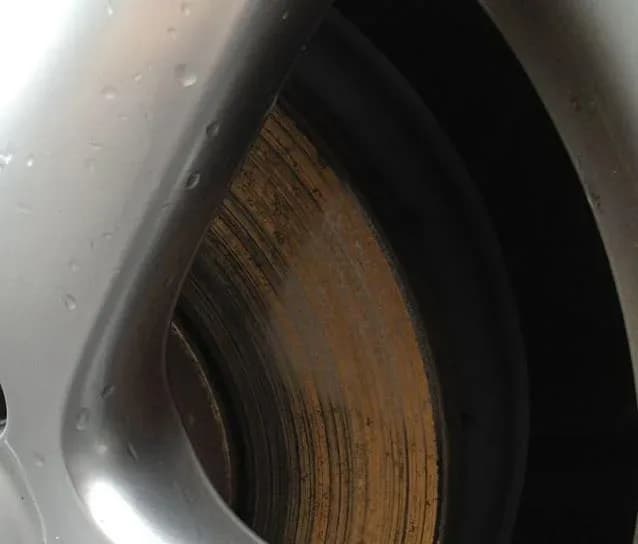
Also applies to
- Audi A4
- 2021–2022
- Audi A5
- 2021–2022
- Audi A6
- 2021–2022
- Audi A7
- 2021
- Audi e-tron
- 2021
- Audi Q3
- 2021–2022
- Audi Q5
- 2021
- Audi Q7
- 2021–2022
- Audi Q8
- 2021–2022
- Audi RS 5
- 2021
- Audi RS 7
- 2021–2022
- Audi RS Q8
- 2021–2022
- Audi S4
- 2021–2022
- Audi S5
- 2021–2022
- Audi S6
- 2021–2022
- Audi S7
- 2021–2022
- Audi S8
- 2021–2022
- Audi SQ5
- 2021–2022
- Audi SQ7
- 2021–2022
- Audi SQ8
- 2021–2022
- Audi TT
- 2021
- Audi TT RS
- 2021
- Audi TTS
- 2021
▸ Show 17 more▾ Show fewer
Owners of 2021-2022 Audi e-tron and other Audi models may experience various brake noises. Technical Service Bulletin (TSB) 2034181/18, issued by Audi, provides detailed information for technicians to diagnose and resolve these concerns, which customers often describe as an Audi e-tron brake noise.
Symptoms
If you hear a brake noise from your front or rear brakes, it could manifest as:
- "squeal"
- "squeak"
- "grinding"
- "groaning"
- "thumping"
- "creaking"
Important Warnings for Owners
Audi has issued specific warnings related to this TSB:
- Do not use this TSB if there is another brake noise TSB applicable to your vehicle's VIN. Always check for the most relevant bulletin.
- If your vehicle is outside of its warranty period, this Technical Service Bulletin is for informational purposes only, meaning any repairs may not be covered.
Technical Background: Why Brake Noise Occurs
Brake noise can stem from several common issues. Understanding these can help in proper diagnosis:
- Wear Limit: Brake discs or pads are close to or below their wear limit.
- Improper Embedding: New brake pads and/or discs were not properly embedded after installation.
- Aftermarket Parts: Installation of non-OEM (aftermarket) pads or discs.
- Debris: Small stones, grit, road salt, or sand lodged between the brake disc and brake pad.
- Rust: Discs covered with rust, often occurring when the vehicle has not been driven for an extended period.
- Grooved Discs: The brake discs have developed grooves.
- Chemical Contamination: Chemical residue on the braking surface of the brake disc, typically from wheel or tire cleaner sprayed directly onto the disc.
- Pad Marks: Brake pad material has transferred to the discs, especially after the vehicle has been parked for long periods in wet or snowy conditions.
Diagnosis and Repair Procedure Summary
Addressing an Audi e-tron brake noise involves a systematic approach:
- Initial Brake Condition Check: Technicians first inspect the overall condition of the brakes to determine if the noise aligns with any of the common causes listed in the technical background section of this bulletin.
- Locate the Noise: The exact location of the brake noise (e.g., left front, front axle, rear axle) is identified. An assistant may be needed to help pinpoint the sound's origin.
- Record and Document: A sound or video recording of the noise is obtained, preferably using the Audi analysis app (as referenced in TSB 2051095: 46 Audi frequency analysis). Customers' recordings are also acceptable. A detailed questionnaire must be filled out.
- Clean Brakes: Brake pads and discs are thoroughly cleaned.
- Brake Bedding Procedure: Up to five ABS stops are performed from speeds above 50 mph. Between each stop, the vehicle is driven for more than one minute at speeds greater than 50 mph to allow brake components to cool.
- Cool Down: The vehicle is allowed to sit for two hours to cool down completely.
- Re-test Drive: The vehicle is test-driven again to confirm if the noise has been eliminated.
- Technical Assistance: If the noise persists, a Technical Assistance Center (TAC) ticket is opened. This ticket must include the completed Brakes Acoustic Questionnaire, sound/video recordings, a frequency analysis screenshot, and photos of the affected brake discs and pads.
Required Tools or Parts
For specific brake system issues, the repair procedure may involve:
- Anti-seize paste G052560A2: Used to clean and lubricate guide pins in the caliper carrier for TRW brake systems.
Specific Brake System Frequencies and Repair Suggestions
Different brake systems and noise frequencies may indicate specific issues:
Brake system ATE-TEVES (with PR codes: 1LF, 1LG, 1LL, 1ZK, 1LJ, 1LP):
- 1.6 KHz from front brakes: Inspect the front pads.
- 3.2 KHz/11 KHz from front brakes: Inspect both the front discs and pads.
Brake system TRW (with PR codes: 1LA, 1LB, 1LD, 1LT, 1ZT, 1LJ):
- 1.6 KHz to 1.7 KHz from front brakes: Inspect the front discs.
- 3.2 KHz from front brakes: Inspect, and if necessary, clean and lubricate the guide pins in the caliper carrier using anti-seize paste G052560A2.
- 7.8 KHz from front brakes: Inspect the front pads.
Warranty Information
This TSB outlines warranty claim procedures for eligible vehicles:
- Claim Type: 110 (up to 48 Months/50,000 Miles).
- Service Number: 4617
- Damage Code: 0020
- Labor Operations: Cleaning brake pads and discs (code 4617 8099, 70 TU), which includes road tests, audio file submission, and questionnaire completion.
- Diagnostic Time: No allowance for GFF, road test prior, or road test after the service procedure.
- Claim Comment: As per TSB #2034181/18.
Additional Information
This bulletin supersedes Technical Service Bulletin Group 46 number 19-08 dated March 18, 2019. Technicians may also need to refer to other related TSBs for a complete diagnosis:
- TSB 2022584, 46 Brake pulsation diagnostic guidelines.
- TSB 2051095, 46 Audi frequency analysis.
Source: NHTSA ID 10186994
Gallery
9 images
Frequently Asked Questions
- What kind of brake noises does Audi TSB 2034181/18 address?
- Audi TSB 2034181/18 addresses various brake noises such as squeal, squeak, grinding, groaning, thumping, or creaking from both front and rear brakes in 2021-2022 Audi models, including the Audi e-tron brake noise.
- What are common reasons for brake noise in my 2021-2022 Audi?
- Common reasons for brake noise include worn brake pads or discs, improper embedding of new pads/discs, aftermarket parts, debris between the disc and pad, rust on discs, grooved discs, chemical contamination, and pad marks from parking in specific conditions.
- Is there a specific part recommended for certain brake noise issues?
- Yes, for TRW brake systems experiencing 3.2 KHz noise from the front brakes, the TSB suggests cleaning and lubricating the guide pins in the caliper carrier using anti-seize paste G052560A2.
- What should I do if my Audi's brakes are making noise?
- If your Audi's brakes are making noise, it is recommended to have a qualified technician diagnose the issue. They will follow the procedures outlined in TSB 2034181/18, which may include recording the noise, cleaning components, and performing specific brake bedding procedures.
- Does this TSB apply if my vehicle is out of warranty?
- If your vehicle is outside of its warranty period, this Technical Service Bulletin is for informational purposes only. This means that any diagnostic or repair costs may not be covered by Audi.
Related Articles
2022 Audi e-tron Problems: Electrical System & Braking Concerns
The 2022 Audi e-tron has faced significant owner complaints regarding its electrical system, including sudden power loss and charging hazards, as well as various braking malfunctions. This profile details these issues and relevant service bulletins.
2022-2026 Audi Guided Fault Finding Reporting Obligation
Audi has issued Technical Service Bulletin TPI 2033392, also known as Transaction No. 2081531/1, regarding a reporting obligation for technicians when Guided Fault Finding produces an unexpected result. This TSB outlines the process for contacting Audi Product Support for diagnostic assistance.
2022-2026 Audi Infotainment System Complaints
Audi has released Technical Service Bulletin (TSB) 2081405/1 to address various customer complaints regarding infotainment systems in 2022-2026 Audi vehicles. This TSB helps technicians diagnose issues often caused by external media or mobile devices, rather than vehicle technology.
2018-2026 Audi Models Cracking Noise TSB 2061464/11
Audi Technical Service Bulletin 2061464/11 describes a cracking noise from the front or rear axle when changing direction in various 2018-2026 Audi models. The issue is due to stub axle movement and is resolved by bonding the stub axle to the wheel bearing with locking fluid.
2022-2026 Audi Parking Aid False Warnings TSB 2024323/13
Audi has released Technical Service Bulletin 2024323/13 to address customer complaints of false parking aid warnings. This bulletin details various environmental and vehicle-specific conditions that can cause the parking aid system to issue alerts even when no obstacles are present. It provides…
Leave a comment
Comments are moderated and may take a moment to appear. Only your first name and the initial of your last name are shown publicly.
Comments
Be the first to comment.