2022-2024 Audi Models Experiencing Braking Noises TSB
This Audi Technical Service Bulletin (TSB) 2069904/1 provides guidance for addressing common braking noises reported by owners of 2022-2024 Audi models. It explains potential causes such as brake dust, rust, road grit, and glazed friction surfaces, and outlines recommended service actions like…
 Marcus Weber2022 Audi e-tron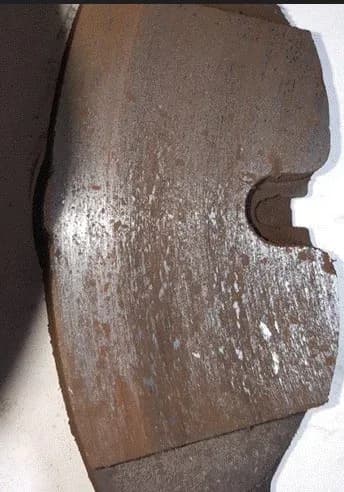
Şu araçlar için de geçerli
- Audi A3
- 2022–2024
- Audi A4
- 2021–2024
- Audi A4 allroad
- 2021–2022
- Audi A5
- 2021–2024
- Audi A6
- 2021–2024
- Audi A6 allroad
- 2021–2023
- Audi A7
- 2021–2024
- Audi A7 e
- 2021–2022
- Audi A8 L e
- 2021
- Audi e-tron
- 2021, 2023
- Audi e-tron GT
- 2022–2024
- Audi Q3
- 2021–2024
- Audi Q5
- 2021–2024
- Audi Q5 e
- 2024
- Audi Q7
- 2021–2024
- Audi Q8
- 2021–2024
- Audi R8
- 2021–2023
- Audi RS 3
- 2023–2024
- Audi RS 5
- 2021–2024
- Audi RS 6 Avant
- 2021–2024
- Audi RS 7
- 2021–2024
- Audi RS e-tron GT
- 2022–2024
- Audi RS Q8
- 2021–2024
- Audi S3
- 2022–2024
- Audi S4
- 2021–2024
- Audi S5
- 2021–2024
- Audi S6
- 2021–2024
- Audi S7
- 2021–2024
- Audi S8
- 2021, 2023, 2024
- Audi SQ5
- 2021–2024
- Audi SQ7
- 2021–2024
- Audi SQ8
- 2021–2022
- Audi TT
- 2021–2023
- Audi TT RS
- 2021–2022
- Audi TTS
- 2021–2023
▸ 29 tane daha göster▾ Daha az göster
Owners of 2022-2024 Audi models, including the Audi e-tron, may notice various noises when braking. This Technical Service Bulletin (TSB) 2069904/1 from Audi addresses these concerns, providing insights into potential causes and recommended actions when brake pad thickness is otherwise normal.
Symptoms
Customers typically report hearing "Noises when braking." These noises can originate from both the front and/or rear brakes during braking application. It's important to note that these symptoms occur even when the brake pad thickness is within acceptable limits.
Diagnosis and Trigger Conditions
Brake noises can stem from several factors, often related to environmental influences and driving habits. Common causes identified in this TSB include:
- Contamination: Brake dust, rust, road grit, and other external debris can accumulate on the brake components.
- Driving Habits: Low mileage, frequent short drives, and very light braking application can prevent the brakes from cleaning themselves sufficiently. This also hinders the optimal friction value from building up on the friction surfaces.
- Improper Bedding: On new or low-mileage vehicles, the brake pads and discs need to properly bed in with each other to achieve an optimal friction value. The exact mileage required for this varies significantly based on individual driving profiles.
- Glazed Friction Surfaces: This condition indicates that the brake pads have been subjected to strong or excessive thermal loads, causing the surface to become hardened and shiny (glazed). Figure 3 in the original document illustrates brake pads with glazed friction surfaces.
Figures 1 and 2 in the original bulletin show examples of dirty friction surfaces on both the brake pad and brake disc, respectively, which can contribute to these noises.
Repair Procedure Summary
This TSB emphasizes that in most cases, it is not necessary to replace parts to resolve braking noises. Instead, the focus is on proper maintenance and driving practices:
- Brake Bedding: Ensure that the brakes are adequately bedded in. This involves using a driving style appropriate for traffic conditions and regularly braking cleanly. Information on this topic can also be found in the vehicle's Owner's Manual.
- Friction Surface Cleaning: If the brake pads have glazed or very dirty friction surfaces, technicians can clean or work on these surfaces using workshop materials such as sandpaper or brake cleaning solutions. After cleaning, the brakes should be bedded in again.
Important Warnings
Owners should be aware of the following key points from this bulletin:
- "It is not necessary to replace parts" for braking noises caused by contamination or glazing, provided brake pad thickness is adequate.
- "This TSB is informational only and not applicable to any Audi warranty." This means the suggested remedies are maintenance-related and typically not covered under warranty.
Owner Action
If you are experiencing Audi e-tron braking noises, it is advisable to consult your authorized Audi service center. They can inspect your vehicle's brakes to determine the exact cause of the noise and perform the recommended cleaning and bedding procedures. Discussing your driving habits with the service advisor may also help in understanding how to maintain optimal brake performance and reduce noise.
Source: NHTSA ID 10235359
Galeri
3 görsel
Frequently Asked Questions
- What causes braking noises in 2022-2024 Audi models?
- Braking noises in 2022-2024 Audi models, including the Audi e-tron, can be caused by contamination from brake dust, rust, or road grit, insufficient brake bedding due to low mileage or light braking, or glazed friction surfaces resulting from excessive heat.
- Is brake replacement necessary to fix these noises?
- No, according to Audi Technical Service Bulletin 2069904/1, it is generally not necessary to replace brake parts to resolve these noises if the brake pad thickness is normal. The issue can often be resolved through cleaning the friction surfaces and proper brake bedding.
- What is brake bedding and why is it important?
- Brake bedding is the process of properly mating new brake pads to the brake discs through a specific driving and braking procedure. It's crucial for establishing optimal friction and performance, and inadequate bedding can contribute to braking noises, especially in new or low-mileage vehicles.
- Will my Audi warranty cover the repair for braking noises?
- Audi Technical Service Bulletin 2069904/1 states that it is informational only and not applicable to any Audi warranty. This suggests that addressing these types of braking noises, which are often related to maintenance and driving conditions, may not be covered under standard warranty terms.
Related Articles
2022 Audi e-tron Problems: Electrical System & Braking Concerns
The 2022 Audi e-tron has faced significant owner complaints regarding its electrical system, including sudden power loss and charging hazards, as well as various braking malfunctions. This profile details these issues and relevant service bulletins.
2022-2026 Audi Guided Fault Finding Reporting Obligation
Audi has issued Technical Service Bulletin TPI 2033392, also known as Transaction No. 2081531/1, regarding a reporting obligation for technicians when Guided Fault Finding produces an unexpected result. This TSB outlines the process for contacting Audi Product Support for diagnostic assistance.
2022-2026 Audi Infotainment System Complaints
Audi has released Technical Service Bulletin (TSB) 2081405/1 to address various customer complaints regarding infotainment systems in 2022-2026 Audi vehicles. This TSB helps technicians diagnose issues often caused by external media or mobile devices, rather than vehicle technology.
2018-2026 Audi Models Cracking Noise TSB 2061464/11
Audi Technical Service Bulletin 2061464/11 describes a cracking noise from the front or rear axle when changing direction in various 2018-2026 Audi models. The issue is due to stub axle movement and is resolved by bonding the stub axle to the wheel bearing with locking fluid.
2022-2026 Audi Parking Aid False Warnings TSB 2024323/13
Audi has released Technical Service Bulletin 2024323/13 to address customer complaints of false parking aid warnings. This bulletin details various environmental and vehicle-specific conditions that can cause the parking aid system to issue alerts even when no obstacles are present. It provides…
Yorum bırakın
Yorumlar moderasyondan geçer ve görünmesi biraz zaman alabilir. Sadece adınız ve soyadınızın baş harfi herkese açık olarak gösterilir.
Yorumlar
İlk yorum sizden olsun.