Nissan has issued Technical Service Bulletin NTB23-002 for 2021-2022 Rogue models experiencing a Malfunction Indicator Lamp (MIL) illumination due to Diagnostic Trouble Code P062F-00, indicating an Internal Control Module EEPROM Error. The fix involves reprogramming the Engine Control Module (ECM).
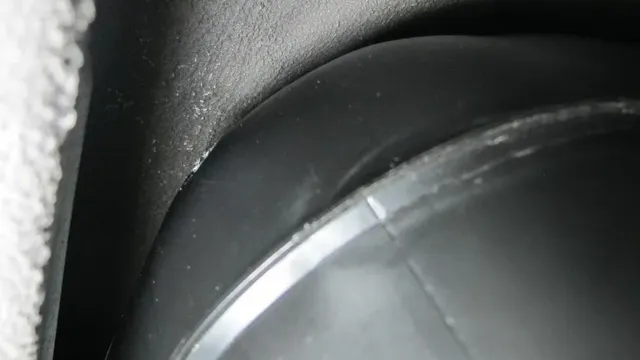
Nissan's Campaign PC903 addresses a potential fuel tank puncture in 2022 Rogue vehicles. This bulletin outlines dealer inspection and replacement procedures, with a stop-sale in effect for affected inventory.
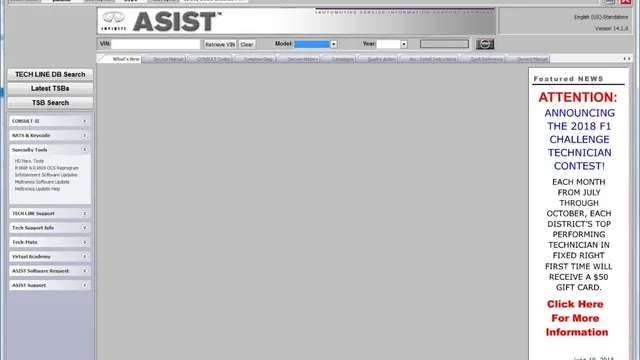
Nissan has issued Technical Service Bulletin NTB21-119A to address an issue where the infotainment system in certain 2021-2022 Nissan Rogue and Frontier vehicles, specifically those from rental fleets, reboots every 4-5 minutes. The fix involves a software update to the AV control unit.
Nissan has released Technical Service Bulletin NTB10-029H to address abnormal noise, vibration, and judder originating from the rear differential in various 2019-2022 AWD models. This TSB provides diagnostic steps and repair procedures.
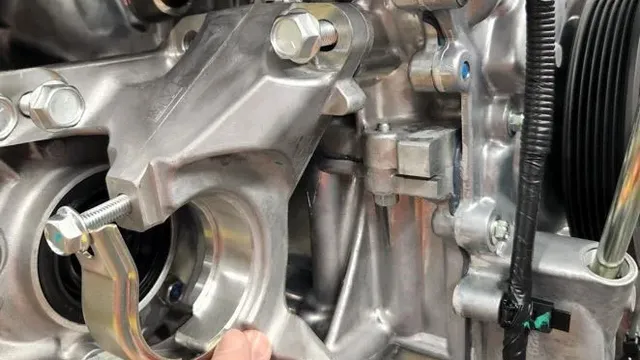
Nissan Technical Service Bulletin NTB21-094A addresses the mandatory replacement of the transfer assembly drive shaft oil seal and dust cover seal on 2021-2022 AWD Nissan Altima, Murano, Rogue, and Rogue Sport vehicles whenever the front passenger side drive shaft is removed for any service.
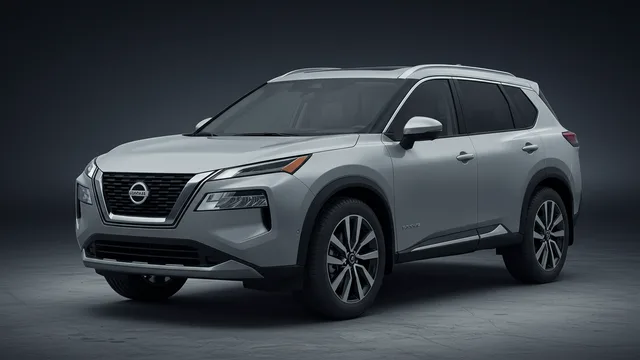
Nissan has placed a temporary Quality Assurance Hold and Stop Sale on 196 new 2022 Nissan Rogue vehicles (T33) in dealer inventory due to an ongoing investigation into a potential fuel tank leak. Campaign ID PC903 advises dealers not to drive, loan, rent, sell, or trade these affected units.
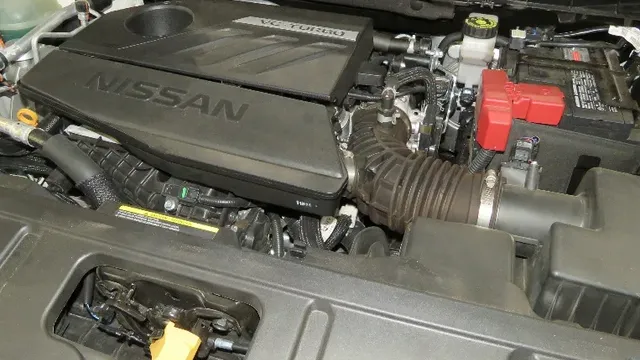
Nissan TSB NTB22-066 details a common cause for DTC P2DFD 'PURGE PUMP PERFORMANCE' in the 2022 Nissan Rogue. This issue is frequently resolved by simply re-seating the EVAP canister purge pump's wire harness connector.
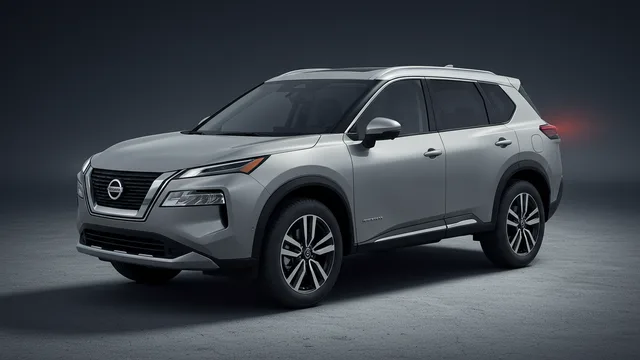
Nissan has placed a temporary Quality Assurance Hold and stop sale on 40 specific 2022 Rogue (T33) vehicles in dealer inventory due to a potential fuel tank concern. This action, identified as Campaign ID PC872, prevents these vehicles from being driven, loaned, sold, or traded until further notice.
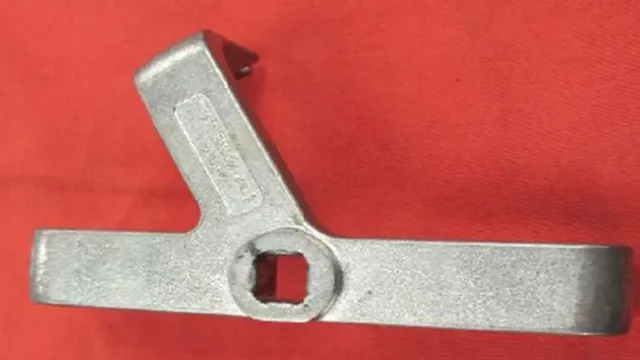
Nissan has initiated a quality action, PC872, for 28 specific 2022 Nissan Rogue vehicles in dealer inventory. The action addresses a supplier manufacturing concern with the fuel tank, necessitating its replacement. A stop-sale is currently in effect for these vehicles.
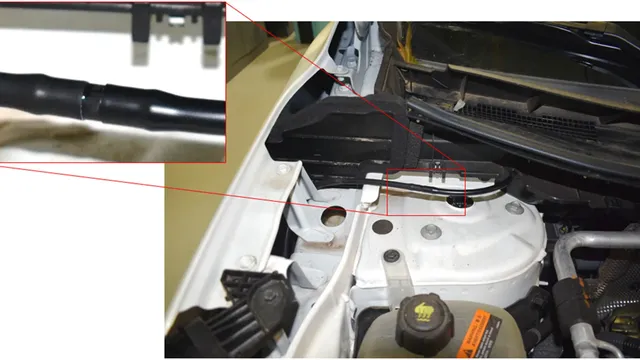
Nissan Technical Bulletin NTB22-008 addresses concerns about the windshield washer system in 2021-2022 Rogue (T33) vehicles. This TSB provides a diagnostic procedure to determine if the windshield washer pump is operating correctly, especially if owners report poor performance or a non-functioning…

Nissan has issued Service Bulletin NTB18-071B to explain a change in how the security system operates in certain 2021-2022 models when the mechanical key is used to unlock the driver door, which may cause the alarm to sound.
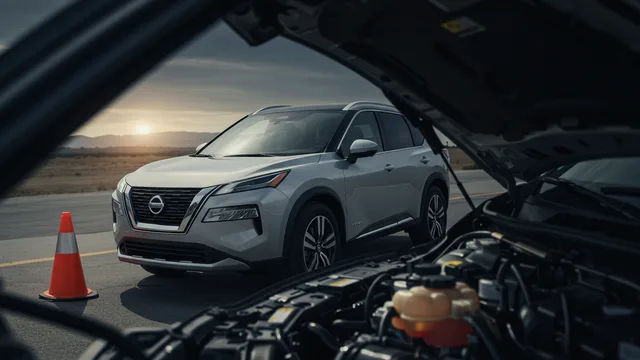
Nissan Technical Bulletin NTB22-003 addresses potential oil leaks in 2022 Rogue (T33) vehicles with KR15DDT engines. Over-tightening the engine oil drain plug can damage the oil pan, leading to leaks. Proper torque and gasket replacement are crucial to prevent a Nissan Rogue oil leak.
On June 12, 2026, while driving my 2022 Nissan Rogue on the Grand Central Expressway in New York, the engine suddenly shut down and the vehicle lost motive power in active highway traffic. The vehicle would not restart. I called 911, and police responded and protected the disabled vehicle until it could be towed to safety. I later learned the vehicle was subject to Nissan Safety Recall R25D1 / NHTSA 25V-437 involving engine bearing defects that may cause engine damage and loss of motive power. A Nissan dealer inspected the vehicle and documented that the engine would not turn over. The technician removed the oil pan, found metal debris, and determined the engine was seized. Nissan subsequently replaced the engine and turbocharger. After the replacement, I began experiencing additional problems. The vehicle hesitated during acceleration. On August 15, the Check Engine light illuminated with an “Engine Malfunction” warning. The dealer subsequently replaced an exhaust-related sensor. On August 23, the SRS/Air Bag warning light illuminated and remained on before later turning off. The same SRS warning occurred again on August 24, and the vehicle also failed to start on the first attempt. On August 26, another warning appeared stating “Malfunction – See Owner’s Manual.” Nissan Consumer Affairs advised me that these subsequent problems are unrelated to the engine recall. I am concerned about the continuing safety and reliability problems occurring shortly after the engine and turbo replacement and am requesting that NHTSA document and evaluate these incidents for a potential safety defect.
No injuries · No fire · No crash
My 2022 Nissan Rogue has entered reduced-power/limp mode approximately nine times. The specific component causing the malfunction has not been identified. The vehicle is available for inspection upon request. When the malfunction occurs, the vehicle displays a malfunction/reduced-power warning and substantially reduces available engine power. Several occurrences happened during a long-distance trip involving highway, mountain, and desert driving. The unexpected reduction in power creates a safety concern during highway travel, merging, passing, climbing grades, or travel in remote areas. The problem is intermittent and has not been successfully reproduced by an authorized Nissan dealership. I presented the vehicle to a Nissan dealer and reported the repeated events while the vehicle had approximately 56,500 miles and remained below Nissan's 60,000-mile powertrain warranty mileage limit. The dealership advised that it could not diagnose the problem unless the malfunction occurs again with an active diagnostic code. I have also reported the problem to Nissan Consumer Affairs. The underlying cause remains unidentified and the vehicle has not been repaired for this condition. Warning messages appear when the malfunction occurs. During the long-distance trip, diagnostic codes were cleared to restore vehicle operation. The vehicle would then operate normally for a period before unexpectedly entering reduced-power mode again. My primary concern is that after approximately nine occurrences, I still have no diagnosis or assurance that the condition will not recur during highway operation or another situation where maintaining vehicle power is necessary for safe operation.
No injuries · No fire · No crash
The contact owns a 2022 Nissan Rogue. The contact stated that while driving at various speeds, the transmission unexpectedly downshifted with the messages "Engine Malfunction Power Reduced Service Now" and "AWD Error Malfunction" displayed on the instrument panel. Following the failures, the vehicle failed to accelerate above 15 MPH after being restarted. The vehicle was towed to the dealer on several occasions. The contact stated that after a software update, a coolant bypass repair, and an engine flush, the failure persisted. The manufacturer was notified of the failure, and a case was opened. The vehicle remained with the dealer unrepaired. The failure mileage was approximately 53,370.
No injuries · No fire · No crash
Engine failure, known issue per Nissan service employees, second and third combustion cylinders fill with anti-freeze coolant with no errors or warning lights in vehicle. This was noticed by the temperature gauge climbing during acceleration and falling while at speed. I am told it is a manufacturing defect by the service department but due to the 76,000 miles on the 2022 vehicle it is not covered by Nissan, an $8000 bill for the long block replacement. This needs your attention as in my local dealership there have been 5 instances of this in the last month. Thank you, [XXX] INFORMATION REDACTED PURSUANT TO THE FREEDOM OF INFORMATION ACT (FOIA), 5 U.S.C. 552(B)(6)
No injuries · No fire · No crash
I was driving when I was pulled over by a police officer for speeding I was going 5 over the speed limit (Speed limit was 65). As the officer approached my vehicle, he noticed flames coming from the engine compartment before I was aware there was any issue. He immediately instructed me to exit the vehicle for my safety. After I got out, the officer attempted to put out the fire with a fire extinguisher, but the flames continued to spread despite his efforts. The fire quickly intensified, causing extensive damage to the vehicle. Emergency responders were called to the scene to extinguish the fire, but by the time the fire was under control, the vehicle had sustained severe fire damage and was no longer operable.