Hyundai · Model Report
Hyundai Elantra2024
Showing safety data for the 2024 model year only.
Hyundai · Model Report
Showing safety data for the 2024 model year only.

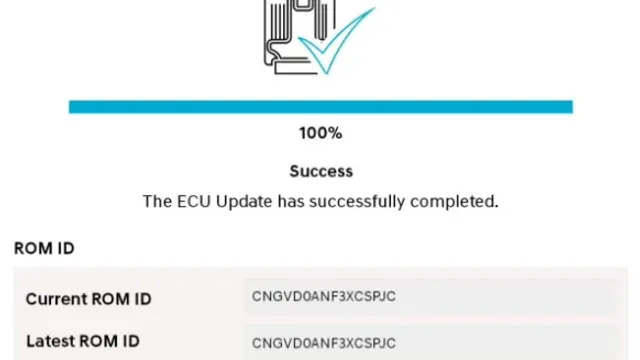
Hyundai has released Technical Service Bulletin 26-EM-006H for 2024-2025 Elantra models. This bulletin addresses an illuminated Check Engine light, often accompanied by diagnostic trouble codes P218100 or P013300, by providing an ECU software update to improve Integrated Thermal Management Module…

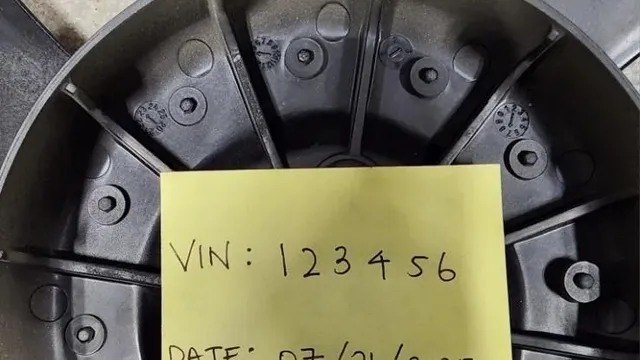
Hyundai has issued Technical Service Bulletin (TSB) 26-EM-007H for 2024-2025 Elantra (CN7) vehicles. This TSB addresses steering wheel vibration that may occur when the engine cooling fan operates at high speed, providing a procedure to inspect and replace the cooling fan blade.

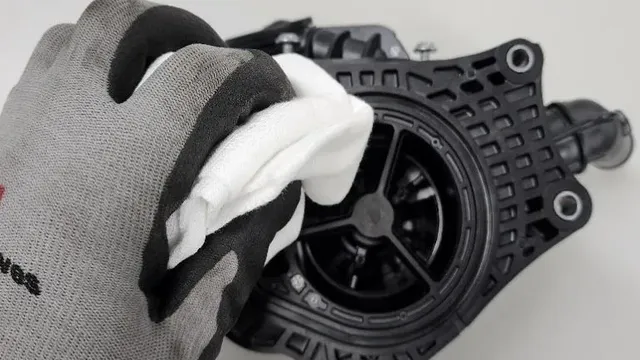
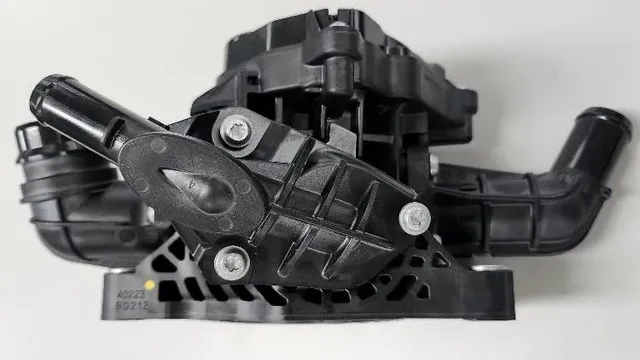
Hyundai has issued Technical Service Bulletin (TSB) 25-EM-003H for certain 2024 Hyundai Elantra vehicles experiencing a coolant leak from the Integrated Thermal Management (ITM) Module's Heat Exchange Port. This TSB outlines the procedure for replacing the affected component.

Hyundai has released Technical Service Bulletin (TSB) 25-BE-005H to address an issue where the horn assembly may become inoperable in certain 2021-2025 Elantra, Elantra (CN7A), and Elantra Hybrid (CN7 HEV) vehicles. This TSB includes a warranty extension (Z03) for the horn replacement.

Hyundai has issued Technical Service Bulletin 24-EM-011H for certain 2024 Hyundai Elantra vehicles experiencing a coolant leak from the Integrated Thermal Management (ITM) Module Heat Exchange Port. This TSB outlines the procedure to replace the affected component.
The contact owns a 2024 Hyundai Elantra. The contact stated that while driving 40 MPH, the tachometer, the odometer, and the power steering became inoperable, nearly causing the contact to drive off the road. Additionally, the turn signal lights were not functioning. All the warning lights were illuminated after the failure. The vehicle was taken to the local dealer, who was unable to duplicate the failure after a 100-mile test drive and returned the vehicle unrepaired. The failure persisted, requiring an AAA tow back to the dealer, who again failed to duplicate the failure during a 3-mile test drive. An independent mechanic informed the contact that the diagnostic trouble codes needed to be reset with a vehicle scanner. The vehicle was not repaired. The failure mileage was approximately 21,000.
No injuries · No fire · No crash
The contact owns a 2024 Hyundai Elantra. The contact stated that while driving, check engine light illuminated, with a loss of power when accelerating. The vehicle was taken to the dealer where it was diagnosed with power train failure and received diagnostic code P040100. The vehicle was repaired; however, the issue persisted. The vehicle was returned to the dealer multiple times but still continued The manufacturer was notified of the failure. The approximate failure mileage was 43,000.
No injuries · No fire · No crash
While driving on the freeway heard a loud boom and realized that the moonroof on the car had shattered.
No injuries · No fire · No crash
The vehicle horns worked intermittently during the first year, but don't work at all now. When the alarm operates, the lights will flash, but there is no sound from the horns. Based on feedback from owners' forums, there is an issue with the horn relay surface-mounted to the underhood fuse panel. This requires replacement of the fuse panel. Not having an operational horn is a safety issue for other motorists and me, as well as wildlife.
No injuries · No fire · No crash
The vehicle experienced significant vibration at highway speeds and during braking within the first 6 months of ownership. The issue was confirmed by a dealership, and the rotors were resurfaced as a corrective action. The problem has now returned, and the rear brakes have worn down to metal-on-metal at approximately 35,000 miles. The rear brake pads are also unevenly worn, while the front brake pads remain in good condition. Multiple service representatives have stated they cannot explain this level of uneven rear brake wear. The brake defect causes strong vibration that impacts steering control and vehicle stability, especially at highway speeds and while slowing down. This creates a safety concern due to reduced braking performance and loss of consistent vehicle control. The issue has been confirmed by dealerships, but the root cause has not been identified or properly resolved. No warning lights or alerts were provided prior to the failure. The vehicle is currently unsafe to drive due to the condition of the brakes.
No injuries · No fire · No crash