Hyundai · Model Report
Hyundai Elantra1992 – 2026
Safety data across 35 model years.
Hyundai · Model Report
Safety data across 35 model years.
my car was t-boned on the passenger side at the b pillar and airbags did not deploy. yes the body shop confirmed the airbags did not deploy. no warnings or messages.
2023 Hyundai Elantra SEL. Car has been slow to start this week. When I depress the brake pedal and push to start, it will start then shut off in the middle of starting then I have to try again or it will sputter then fully start but every safety alert and electrical alarm will go off in my car and nothing clears it until I drive for about 5 minutes then they all clear. I went to AutoZone and they said my battery was normal health. When this slow start happens I also notice that my vehicle doesn’t accelerate as well and it feels like it’s trying too hard to the point it will jerk forward even when I’m only lightly pressing the accelerator. I noticed this, 2 winters ago (2024) as well and I thought it was due to the very cold weather we had. Brought it to my sister’s fiancée and he couldn’t find any DTC’s but agreed something felt off. The problem stopped and now it’s the middle of summer 2 years later and doing the same thing, to the point where I’m trying to merge onto I-95 and my car isn’t accelerating fast enough and I almost got rear ended!! It only happens at speeds under 50 and is extremely unsafe to have a vehicle where you don’t know if it will just turn off while you’re driving, stop accelerating or decide to not start that morning!!!
No injuries · No fire · No crash
The contact owns a 2023 Hyundai Elantra. The contact stated that while driving at an undisclosed speed, several unknown warning lights flashed on and off on the instrument panel, and the brakes independently activated due to slippery weather conditions. The vehicle was taken to a dealer to be diagnosed; however, the cause of the failure was not determined. The vehicle was not repaired. The manufacturer was notified of the failure. The failure mileage was approximately 16,900.
No injuries · No fire · No crash
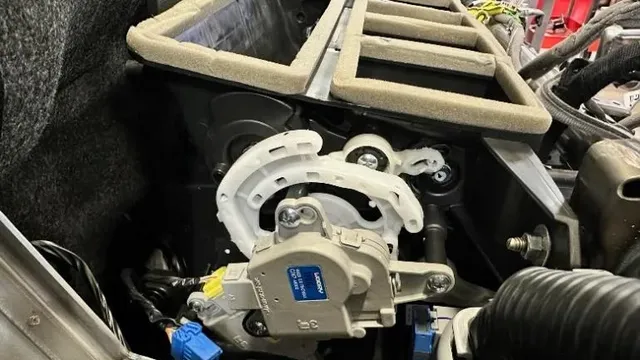
I own a 2022 Hyundai Elantra N Line. The HVAC system began malfunctioning when the center/forward-facing dashboard vents stopped producing airflow, while the side vents continued to work. Changing the HVAC mode does not properly redirect airflow to the center vents as intended. The vehicle was inspected and diagnosed, and I was informed that the ventilator lever/mode mechanism is broken or not functioning properly. This appears consistent with a known issue described in Hyundai Technical Service Bulletin 25-HA-001H/26-HA-001H concerning the ventilator lever and loss of airflow from the forward-facing center vents. This failure affects my ability to properly control where air is directed inside the vehicle, including directing airflow toward the windshield for defrosting/defogging. This could potentially reduce visibility in conditions where windshield defrosting is necessary and therefore create a safety concern. The problem has been confirmed through a vehicle diagnostic inspection. The vehicle/component is available for inspection upon request. I have also found other Hyundai Elantra owners reporting similar loss of center-vent airflow and HVAC mode-control problems. The issue occurred without a collision or other known event that would have caused the component to fail. The repair is also unusually labor-intensive because the failed ventilator lever is located behind the dashboard and requires extensive disassembly just to access the component. I was informed that the repair would require at least 14 hours of labor, resulting in an extremely high repair cost for what is essentially a small mechanical component. The amount of labor required to reach and replace the lever makes the repair disproportionately expensive. Additionally, I have encountered multiple other Hyundai Elantra owners reporting the same or very similar symptoms, including loss of airflow from the center/forward-facing vents while the side vents continue to function. Suggests occurring issues.
No injuries · No fire · No crash
The engine mounts on this vehicle failed. Dealership and many others online have stated that this seems to be a reoccurring issue with the 2021-2023 generation of Hyundai elantras. The vibrations of these failed motor mounts become so severe that they can dislodge the brakes making it very unsafe to drive. Hyundai should be doing a recall for this to avoid safety issues for their customers
No injuries · No fire · No crash
Hyundai Motor America (Hyundai) is recalling certain 2017 Elantra vehicles. The affected vehicles may have a damaged Electronic Power Steering (MDPS) connector resulting in a loss of electric power steering assistance.
Hyundai Motor Company (Hyundai) is recalling certain 2017 Elantra vehicles. In the affected vehicles, the brake booster may fail, resulting in a loss of power brake assist.
Hyundai Motor Company (Hyundai) is recalling certain model year 2017 Hyundai Elantra vehicles manufactured April 15, 2016, to September 13, 2016, and Sonata vehicles manufactured May 27, 2016 to September 16, 2016. In these vehicles, the end seal for the driver's frontal air bag inflator may not have been properly installed, possibly resulting in reduced inflation of the frontal air bag in the event of a crash.
Hyundai Motor Company (Hyundai) is recalling certain model year 2015-2016 Sonata vehicles manufactured May 29, 2014 to February 11, 2016, 2017 Elantra vehicles manufactured January 12, 2016 to February 22, 2016, and one 2016 Sonata Hybrid vehicle manufactured October 15, 2015. In these vehicles, the driver's frontal air bag may be missing a chemical enhancer required for the second stage air bag deployment, resulting in the second stage not deploying in certain crashes. The primary stage will deploy as intended.