Honda · Model Report
Honda Civic2025
Showing safety data for the 2025 model year only.
Honda · Model Report
Showing safety data for the 2025 model year only.
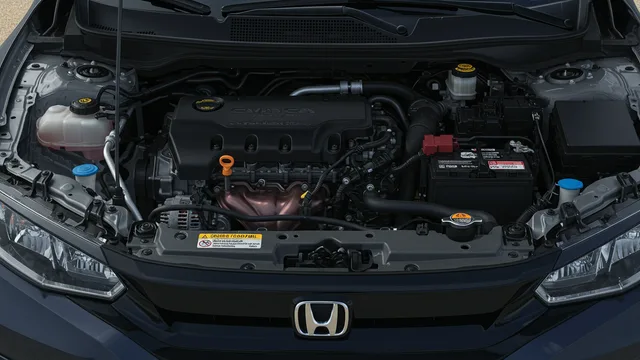
Honda (American Honda Motor Co.) is recalling certain 2023-2024 Honda Accord, Accord Hybrid, 2023-2025 Honda CR-V Hybrid, and 2025 Honda Civic and Civic Hybrid vehicles. The high-pressure fuel pump may crack and leak fuel.
Honda (American Honda Motor Co.) is recalling certain 2023-2025 Acura Integra, Civic Type R, CR-V Hybrid, CR-V, HR-V, 2022-2025 Civic, Civic Hatchback, 2024-2025 Acura Integra Type S, 2025 CR-V Fuel Cell EV, Civic Hybrid, and Civic Hatchback Hybrid vehicles. The steering gearbox assembly may have been manufactured incorrectly, which can cause excessive internal friction and lead to difficulty steering the vehicle.

The 2025 Honda Civic has one recall for a fuel pump issue that poses a fire risk. Owners may also encounter issues like a Malfunction Indicator Light with DTC P0087, A/C compressor seizure, or a black and white rearview camera display, as detailed in numerous service bulletins.

Honda is seeking specific 2025-2026 Civic 2.0L vehicles displaying a Malfunction Indicator Light (MIL) with DTC P0087, indicating 'Fuel Rail/System Pressure Too Low'. This condition can lead to loss of power or engine stalling. Honda is collecting parts to understand the root cause.

Honda has identified an issue (ATS30566) where the infotainment system in certain 2023-2026 Accord, Civic, CR-V, Passport, and Prelude models displays previously viewed SMS messages when an Android phone is connected via Bluetooth. A temporary solution involves adjusting app permissions.

Honda is actively seeking specific 2024-2026 Civic, CR-V, and HR-V vehicles experiencing A/C compressor seizure and a lack of cold air. This initiative, identified as NHTSA ID 11031276, aims to understand the root cause of the problem before any repairs are attempted.

American Honda Motor Co. (AHM) is seeking specific 2024-2026 Civic, CR-V, and HR-V vehicles experiencing A/C compressor seizure and a lack of cold air. They want to inspect these vehicles to understand the cause before any repairs are attempted.

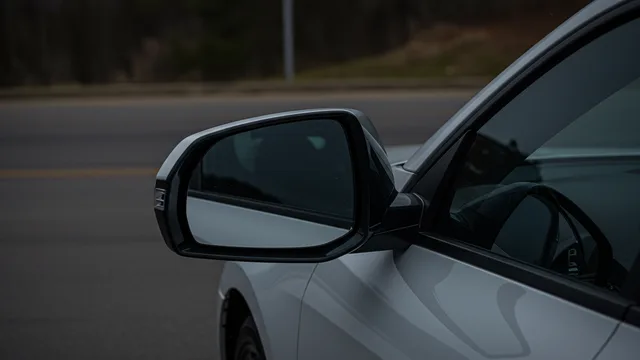
Honda is actively collecting parts from 2022-2025 Accord, Civic, and Odyssey vehicles experiencing a detached or loose rearview mirror bracket/slug. This initiative aims to understand the root cause of the issue and requires specific conditions for participation.

Honda is investigating a condition in certain 2025 Civic 2.0L vehicles where the Malfunction Indicator Light (MIL) illuminates and DTC P0087 (Fuel Rail/System Pressure Too Low) is stored. Owners may also experience loss of power or engine stalling. Honda is collecting parts to understand the root…

Honda is actively investigating a condition in certain 2025 Honda Civic 2.0L vehicles where the Malfunction Indicator Light (MIL) illuminates with Diagnostic Trouble Code (DTC) P0087, indicating "Fuel Rail/System Pressure Too Low." Owners may also experience loss of power or engine stalling…

Honda is actively investigating reports of rearview mirror brackets detaching or becoming loose from the windshield in certain 2022-2025 Accord, Civic, and Odyssey vehicles. This manufacturer communication, NHTSA ID 11023129, outlines the criteria for vehicles Honda is interested in collecting…

Honda is actively seeking specific 2025 Civic 2.0L vehicles that display a Malfunction Indicator Light (MIL) and store Diagnostic Trouble Code (DTC) P0087, indicating 'Fuel Rail/System Pressure Too Low.' This initiative aims to collect parts for in-depth analysis to understand the root cause of…

Honda is actively seeking 2025 Civic 2.0L vehicles experiencing a Malfunction Indicator Light (MIL) illuminated with DTC P0087, indicating 'Fuel Rail/System Pressure Too Low'. This issue may lead to loss of power or engine stalling. The manufacturer is collecting specific parts to understand the…

Honda is actively collecting parts from 2022-2025 Accord, Civic, and Odyssey vehicles experiencing loose or detached rearview mirror brackets. This initiative aims to understand the root cause of the issue and may lead to future service actions or recalls for the Honda Civic rearview mirror…
The vehicle's steering system, specifically the steering rack, is malfunctioning. The steering wheel intermittently catches, becomes difficult to turn, and then suddenly releases. An authorized Honda dealership diagnosed an issue requiring replacement of the steering rack under warranty. The defective component remains installed in the vehicle and is currently available for inspection. The steering wheel unpredictably becomes resistant to turning and then suddenly releases, making it difficult to maintain consistent control of the vehicle. The vehicle also drifts to the left or right, requiring frequent steering corrections. These symptoms create a potential risk of losing steering control, particularly when turning, changing lanes, or driving at higher speeds. The unpredictable steering behavior could result in a collision and endanger me, my passengers, and other motorists. Yes. I brought the vehicle to an authorized Honda dealership for inspection. Although the service advisor initially stated that he could not feel anything abnormal during a test drive, the dealership subsequently diagnosed a steering rack issue and determined that the steering rack requires replacement under the manufacturer's warranty. Yes. The vehicle was inspected by an authorized Honda dealership, and American Honda corporate customer service has been notified. Honda has discussed the possibility of a manufacturer buyback due to the safety-related defect, and I am awaiting assignment of a case manager.The vehicle was also previously inspected by repair facilities and Progressive Insurance following a minor collision. However, the steering rack was not replaced during those repairs, and the relationship between the collision and the current steering malfunction has not been established. The primary symptoms were intermittent steering resistance, catching or binding sensations, sudden release of steering resistance, vehicle drifting, and the need for frequent steering corrections.
No injuries · No fire · No crash
The contact owns a 2025 Honda Civic. The contact stated that while attempting to accelerate above 25 MPH, the vehicle hesitated while upshifting and shuddered with the accelerator pedal depressed. The manufacturer was made aware of the failure by email. The failure mileage was approximately 37,000.
No injuries · No fire · No crash
The contact owns a 2025 Honda Civic Hatchback. The contact stated that while driving 55 MPH, the vehicle suddenly shutoff with the check engine warning light flashing on the instrument panel. The contact pulled over to the side of the road and the vehicle was restarted. The warning light was off after the vehicle was restarted. An OBD2 scan tool was used to scan the vehicle and the DTC for a misfire in cylinder #3 was retrieved. The contact shifted into Sport Mode and the vehicle drove normally. The dealer was notified of the failure and associated the failure with bad gasoline. The contact stated the failure reoccurred. The manufacturer was notified of the failure. The vehicle was taken to the dealer where the technician confirmed the use of poor gasoline as the failure. The dealer flushed the fuel system and added new spark plugs. The contact stated that 6,000 miles later the failure returned. The dealer suggested an upgrade to premium fuel and stated that the high ethanol in the gasoline was causing the spark plugs to overheat and cause the misfire. The failure mileage was 33,000.
No injuries · No fire · No crash
Sticky steering possibly caused by the issues stated in the recent recalls for Honda vehicles of my make and model. However looking up my VIN does not show me the active recall for my vehicle
No injuries · No fire · No crash
While driving, the vehicle consistently exhibits a “wandering” or drifting sensation, especially at highway speeds. The steering wheel does not sit centered when driving straight, and small corrections are constantly required to keep the vehicle in its lane. This behavior has been present despite the tires being properly inflated and the vehicle having relatively low mileage. The wandering sensation makes the vehicle feel unstable and reduces driver confidence, particularly during longer trips or when sharing the road with other vehicles. The off‑center steering wheel suggests a possible issue with the steering system, steering angle sensor, alignment from the factory, or an electronic steering calibration problem. The issue has not been resolved and continues to occur. No warning lights or messages have appeared. The problem can be reproduced consistently during normal driving. UNKNOWN whether the manufacturer has formally inspected the steering components or electronic steering system.
No injuries · No fire · No crash