2023 Jeep Wrangler Health Check: Recalls and Bulletins
The 2023 Jeep Wrangler faces a significant safety recall (24V111000) concerning its defrost system, which could impair driver visibility. Beyond this, numerous technical service bulletins address issues ranging from engine misfires and rough idle to heated steering wheel malfunctions and filiform…
 Sarah MitchellUpdated
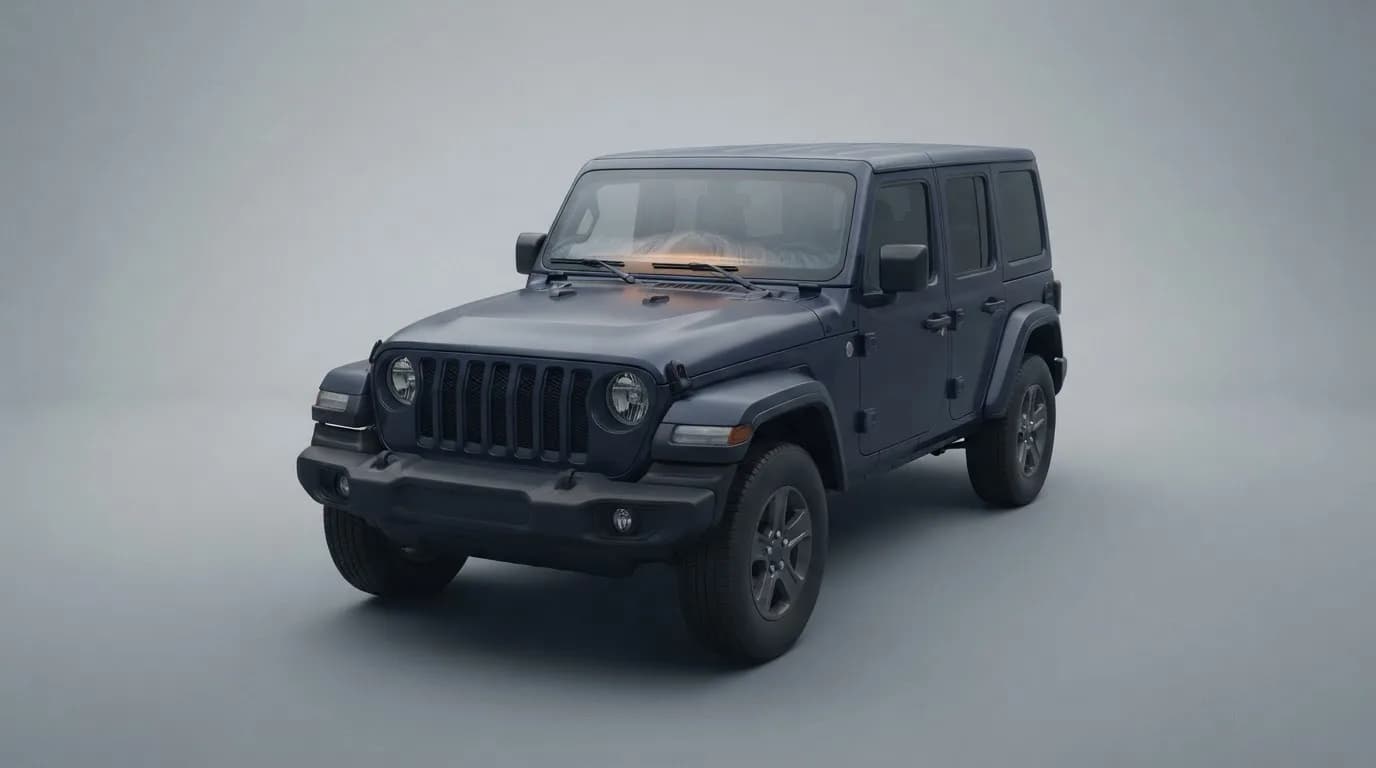
The 2023 Jeep Wrangler, a popular off-road vehicle, has been subject to a safety recall impacting its defrosting and defogging system, a critical component for driver visibility. This issue, identified by NHTSA recall 24V111000, stems from a software error that could render the system inoperative, increasing the risk of a crash. Beyond this significant safety concern, owners of the 2023 Jeep Wrangler may encounter various other issues addressed by numerous manufacturer service bulletins, including engine performance problems, electrical glitches, and cosmetic concerns like filiform corrosion. This comprehensive profile breaks down the known problems, official remedies, and what current or prospective owners should know.
At a glance
The 2023 Jeep Wrangler has one active safety recall, 24V111000, related to its defrost system. Fortunately, there have been no owner complaints or federal investigations reported to NHTSA for this model year. However, Jeep has issued 20 technical service bulletins (TSBs) to address a range of potential issues, primarily focusing on software updates for the powertrain control module, electrical systems, and specific component inspections.
Recalls
The most critical safety concern for the 2023 Jeep Wrangler is a recall affecting its defrosting and defogging system. Chrysler (FCA US, LLC) issued recall 24V111000 for certain 2021-2024 Jeep Wrangler vehicles. The problem arises from a hybrid control processor (HCP) software error that can cause the defrosting and defogging system to become inoperative. This significantly reduces driver visibility, particularly in adverse weather conditions, thereby increasing the risk of a crash. Dealers are instructed to update the software to resolve this issue, ensuring the proper function of the defrost system.
Owner complaints
No owner complaints have been reported to NHTSA for the 2023 Jeep Wrangler.
Federal investigations
No federal investigations have been opened against the 2023 Jeep Wrangler.
Service bulletins
Jeep has released a substantial number of Technical Service Bulletins (TSBs) for the 2023 Wrangler, addressing various concerns that owners might experience. These bulletins provide diagnostic and repair procedures for technicians, often involving software updates or specific part inspections.
Engine Performance and Misfire DTCs
Several TSBs address engine performance issues, particularly those related to the Malfunction Indicator Lamp (MIL) illumination and misfire Diagnostic Trouble Codes (DTCs). TSB 18-048-26 and TSB 18-046-26 both point to a Powertrain Control Module (PCM) software error as the cause for symptoms like rough idle, engine miss, noisy valvetrain, and various misfire DTCs (P0300-P0306). A PCM software update is the prescribed fix to improve engine performance. Additionally, TSB 18-090-25 specifically targets 2023 Wrangler models with 3.6L V6 engines and manual transmissions, addressing MIL illumination and DTCs like P08A6 and P152F, along with transmission-related symptoms, also via a PCM software update.
Heated Steering Wheel Malfunction
Owners of 2023 Jeep Wrangler vehicles equipped with a heated steering wheel may find that it does not heat up sufficiently or fails to work entirely. Technical Service Bulletin 08-120-26 provides a software update for the Comfort Seat Wheel Module (CSWM) to resolve this comfort-related issue.
Horn Malfunction
Stellantis has released Technical Service Bulletin S2423000027 Rev. D to address concerns regarding horn sound issues, including weak, off-tone, inoperative, or intermittent operation, affecting various 2023-2026 Jeep, Ram, and Dodge models. This bulletin provides technicians with detailed diagnostic steps.
Filiform Corrosion
Filiform corrosion, a type of aluminum corrosion, has been a recurring concern for Jeep Wrangler and Gladiator models. TSB 31-001-26 REV. A specifically addresses filiform corrosion found on the door hem areas of 2021-2026 Jeep Wrangler and Gladiator vehicles, outlining a detailed repair procedure including cleaning, refinishing, and protective coatings. Furthermore, manufacturer communications NHTSA ID 108657 and NHTSA ID 108655 update warranty processes and clarify repair procedures for aluminum filiform corrosion on 2021-2023 models.
Engine Rattle Noise
A rattling noise emanating from the engine in 2023-2025 Jeep Wrangler, Gladiator, RAM 1500, Dodge Durango, and Grand Cherokee models may indicate an issue with the intake phaser. TSB S2509000001 Rev. B provides diagnostic steps and repair guidelines for this condition.
Key Fob Security Update
To enhance vehicle security and deter theft, Jeep issued TSB 08-231-25 for the 2023 Jeep Wrangler. This bulletin involves an update to the Radio Frequency Hub Module (RFHM) software, which prevents unauthorized key fob programming.
Should you be worried?
For 2023 Jeep Wrangler owners, the primary concern is the defrost system recall 24V111000. This is a safety-critical issue that needs to be addressed promptly. While the numerous TSBs indicate a range of potential issues, many are software-related updates or minor component inspections, suggesting that most problems are not severe or widespread enough to warrant a recall. The absence of owner complaints and federal investigations is a positive sign, indicating that while some vehicles may experience issues, they are not leading to a pattern of widespread dissatisfaction or serious safety incidents beyond the defrost system. The 2023 Jeep Wrangler defrost system issue is the most pressing concern.
What 2023 JEEP Wrangler owners should do
- Check for Recalls: Immediately verify if your 2023 Jeep Wrangler is affected by the defrost system recall 24V111000 by entering your VIN on the NHTSA recall website or Jeep's official recall page. If affected, schedule an appointment with your dealer for the software update.
- Address Warning Lights: If your Malfunction Indicator Lamp (MIL) illuminates or you experience symptoms like rough idle or engine miss, inform your dealer about the relevant TSBs, such as 18-048-26 or 18-046-26, which address PCM software updates.
- Monitor for Symptoms: Pay attention to any unusual engine noises, such as a rattle, which could be related to the issue described in TSB S2509000001 Rev. B. Also, ensure your heated steering wheel functions correctly, and if not, mention TSB 08-120-26 to your service center.
- Inspect for Corrosion: Regularly inspect your vehicle's door hem areas for any signs of filiform corrosion, especially if you live in a humid climate. While often cosmetic, addressing it early can prevent further issues as outlined in TSB 31-001-26 REV. A.
- Dealer Communication: If you experience any of the symptoms described in the TSBs, communicate them clearly to your dealership's service department. Reference the specific TSB numbers if possible, as this can help expedite diagnosis and repair.