2021-2024 Jeep/RAM/Dodge Alternator Charging Issue TSB
A manufacturer communication, TSB 9100338, addresses alternator low voltage and charging system concerns in various 2021-2024 Jeep, RAM, and Dodge models. This document outlines a detailed diagnostic procedure to identify the root cause before replacing the alternator.
 Sarah Mitchell2023 Jeep Wrangler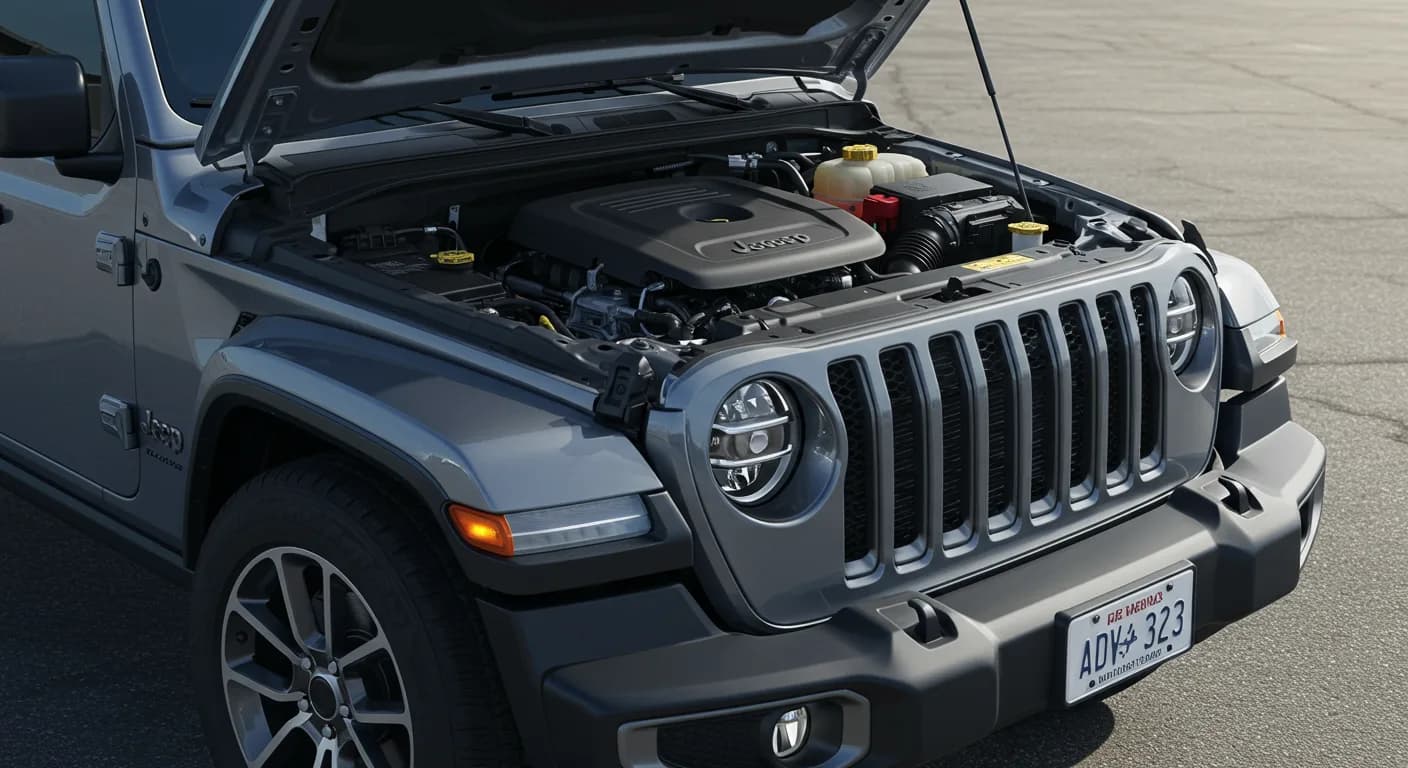
Gilt auch für
- Jeep Compass
- 2021–2024
- Jeep Gladiator
- 2021–2024
- Jeep Renegade
- 2021–2022
- Jeep Wrangler
- 2021, 2022, 2024
- Dodge Challenger
- 2021–2023
- Dodge Charger
- 2021–2023
- Ram 1500
- 2021–2024
- Ram 2500
- 2021–2024
- Ram 3500
- 2021–2024
- Ram 4500
- 2021–2024
- Ram Promaster City
- 2021
▸ 5 weitere anzeigen▾ Weniger anzeigen
Symptoms of Alternator Charging Issues
Owners of 2021-2024 Jeep, RAM, and Dodge vehicles may experience symptoms related to the charging system. The primary symptom addressed by this manufacturer communication is "alternator low voltage & current output (Amps)". This indicates that the vehicle's alternator is not producing sufficient voltage or current to properly charge the battery and power the electrical system.
Diagnosis and Trigger Conditions
Before replacing the alternator, technical service bulletin 9100338 provides a comprehensive diagnostic procedure. This procedure focuses on thoroughly inspecting the electrical connections and grounding points within the charging system. The diagnostic steps are crucial to accurately identify the cause of the "Jeep Wrangler alternator low voltage" or similar issues in other affected models.
Key areas for inspection include:
- Alternator Electrical Connections: Technicians should inspect all electrical connections to the alternator, specifically the 2-way connector for the field control circuit and alternator sense voltage circuit. This involves unplugging and re-plugging the connector to verify tightness and checking for bent pins or damaged terminals.
- Alternator B+ Stud Connection: The nut securing the positive cable terminal to the Alternator B+ Stud must be checked to ensure it is clamping tightly.
- Fuse Inspection: The fuse located between the alternator B+ stud and the Power Distribution Center (PDC) terminal needs to be checked for being blown.
- Ground Connections: All grounds in the charging system circuit must be verified. This includes checking the tightness of mounting bolts securing the alternator to the engine block (as the alternator is a case ground component), the main ground from the engine to the chassis, and battery ground cable connections.
Technicians are instructed to follow service manual sections on "ALTERNATOR CONTROL CIRCUIT DIAGNOSTIC" and "ALTERNATOR SENSE CIRCUIT DIAGNOSTIC" to look for any opens or shorts to ground or battery voltage. After completing these checks, the engine should be re-started, and the charging system operation verified.
Understanding the Smart Charging System
The manufacturer communication 9100338 also highlights the importance of understanding the vehicle's Smart Charging System. This system can sometimes cause what appears to be "alternator low voltage & current output (Amps)" during engine idle operation. This is part of its normal strategy to manage charging efficiently.
It is important to note that the alternator itself does not have an internal regulator or smart circuitry; all control signals for the alternator come from the Engine Control Module (ECM). For detailed information on low charging voltage and Smart Charge Mode Voltage Range, technicians should refer to Star Case S2008000031 Rev A and the service manual section titled "System Operation - Smart Charging System".
Repair Procedure Summary
The repair procedure outlined in TSB 9100338 is primarily diagnostic, aiming to prevent unnecessary alternator replacement. The steps are as follows:
- Inspect Alternator Connections: Check the 2-way connector for the field control and sense voltage circuits, ensuring it's securely plugged in and free of bent pins or damaged terminals. Verify the Alternator B+ Stud connection is tight.
- Check Fuse: Inspect the fuse between the alternator B+ stud and the PDC terminal.
- Verify Grounds: Ensure all charging system grounds are secure, including alternator mounting bolts, engine-to-chassis ground, and battery ground cables.
- Torque Specifications: If necessary, loosen and re-tighten alternator mounting bolts to service manual torque specifications.
- Re-start and Verify: After all checks, re-start the engine and confirm proper charging system operation.
- Smart Charging System Consideration: Confirm that the Smart Charging System's normal operation (e.g., suspending charging at idle) is not causing the perceived low voltage.
- Alternator Replacement: Only if all previous checks are satisfactory and the alternator is confirmed faulty, should it be removed. The communication specifies returning the alternator with its mounting bolts for analysis at QEC (Quality Engineering Center).
What Owners Should Know
If you are experiencing issues with your vehicle's charging system, such as a battery warning light or signs of low voltage, it is important to have your vehicle inspected by a qualified technician. This technical service bulletin, 9100338, provides a detailed diagnostic path that your technician should follow to address any "Jeep Wrangler alternator low voltage" or similar charging issues in your 2021-2024 Jeep, RAM, or Dodge vehicle. The goal is to accurately diagnose the problem and avoid replacing a functional alternator.
NHTSA ID: 11000824
Frequently Asked Questions
- What are the common symptoms of an alternator problem in 2021-2024 Jeep, RAM, and Dodge vehicles?
- The primary symptom addressed by manufacturer communication 9100338 is "alternator low voltage & current output (Amps)". This can manifest as a battery warning light, dimming lights, or other electrical system malfunctions due to insufficient power.
- What is the Smart Charging System and how does it relate to alternator issues?
- The Smart Charging System is a vehicle feature that can temporarily suspend alternator charging during engine idle to optimize efficiency. This behavior, detailed in Star Case S2008000031 Rev A, might lead to a false impression of "alternator low voltage" if not properly understood during diagnosis.
- Should I replace my alternator immediately if I suspect a charging issue?
- No, manufacturer communication 9100338 advises a thorough diagnostic procedure before replacing the alternator. Technicians should first inspect all electrical connections, grounds, and verify the operation of the Smart Charging System to rule out other causes for "alternator low voltage" or charging system concerns.
Related Articles
2023 Jeep Wrangler Problems: Recalls & Service Bulletins
The 2023 Jeep Wrangler faces a significant recall for its defrost system, potentially reducing driver visibility. Owners may also encounter engine misfire DTCs, heated steering wheel issues, and various other concerns addressed by numerous service bulletins. This guide details known problems and…
2023 Jeep Wrangler Misfire DTCs PCM Software Update
A Technical Service Bulletin (TSB 18-048-26) addresses Malfunction Indicator Lamp (MIL) illumination and various misfire Diagnostic Trouble Codes (DTCs) in 2023 Jeep Wrangler vehicles. Symptoms include rough idle, engine miss, and noisy valvetrain, all caused by PCM software. The fix involves…
2023 Jeep Wrangler PCM Update for MIL & Misfire DTCs
Jeep has released TSB 18-046-26 for 2023 Wrangler models experiencing Malfunction Indicator Lamp (MIL) illumination, various misfire DTCs (P0300-P0306), rough idle, or a "Service Transmission" message. The fix involves a Powertrain Control Module (PCM) software update to improve engine performance…
2023 Jeep Wrangler Heated Steering Wheel Not Working TSB 08-120-26
Owners of 2023 Jeep Wrangler vehicles may experience a heated steering wheel that does not get hot enough or fails to work. Technical Service Bulletin (TSB) 08-120-26 provides a software update for the Comfort Seat Wheel Module (CSWM) to resolve this issue.
2023 Jeep Wrangler Heated Steering Wheel Not Working TSB
Owners of 2023 Jeep Wrangler vehicles with heated steering wheels may experience the steering wheel not heating up sufficiently or not working at all. Technical Service Bulletin (TSB) 08-120-26 provides a software update for the Comfort Seat Wheel Module (CSWM) to resolve this issue.
Leave a comment
Comments are moderated and may take a moment to appear. Only your first name and the initial of your last name are shown publicly.
Comments
Be the first to comment.