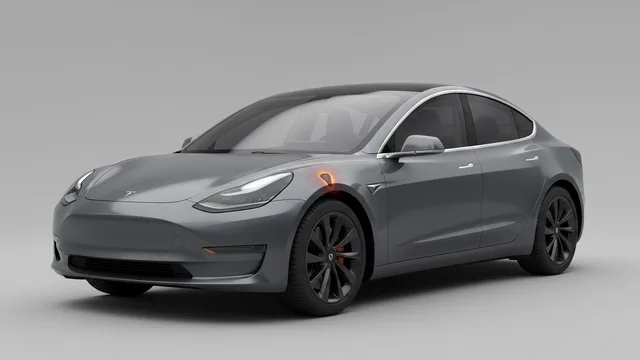
Tesla, Inc. (Tesla) is recalling certain 2025 Model 3 and 2026 Model Y vehicles. The battery pack contactors may fail, causing a loss of drive power.
Tesla, Inc. (Tesla) is recalling certain 2026 Model 3 and Model Y vehicles. The fasteners attaching the seat back to the seat bottom may have been improperly tightened.
Tesla, Inc. (Tesla) is recalling certain 2023 Model 3 and Model Y vehicles operating software prior to 2023.38.4. The printed circuit board for the electronic power steering assist may experience an overstress condition, causing a loss of power steering assist when the vehicle reaches a stop and then accelerates again.
Tesla, Inc. (Tesla) is recalling certain 2024-2025 Model 3, Model S, 2023-2025 Model X, and Model Y vehicles. The computer circuit board may short, resulting in the loss of the rearview camera image. As such, these vehicles fail to comply with the requirements of Federal Motor Vehicle Safety Standard (FMVSS) number 111, "Rear Visibility."
Tesla, Inc. (Tesla) is recalling certain 2024 Cybertruck, 2017-2025 Model 3, and 2020-2025 Model Y vehicles. The tire pressure monitoring system (TPMS) warning light may not remain illuminated between drive cycles, failing to warn the driver of low tire pressure. As such, these vehicles fail to comply with the requirements of Federal Motor Vehicle Safety Standard number 138, "Tire Pressure Monitoring Systems."

For 2024 Tesla Model 3 owners and prospective buyers, this detailed profile examines the vehicle's reliability based on official manufacturer service bulletins. Learn about potential issues like HV battery quality, misrouted wheel speed sensors, and rattling air vents.
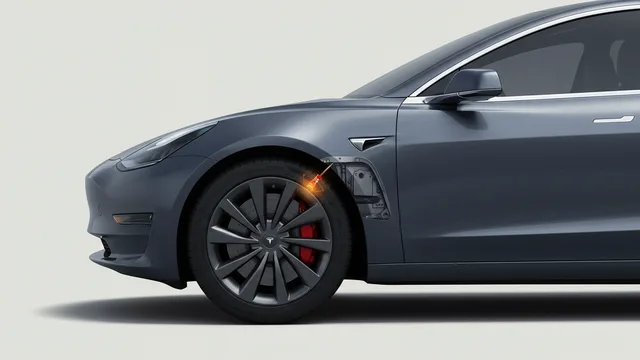
The 2021 Tesla Model 3 has a strong safety record with no reported recalls, owner complaints, or federal investigations. However, manufacturer service bulletins address specific concerns, including a potential refrigerant sensor fault affecting the HVAC system and cosmetic steering wheel cover…
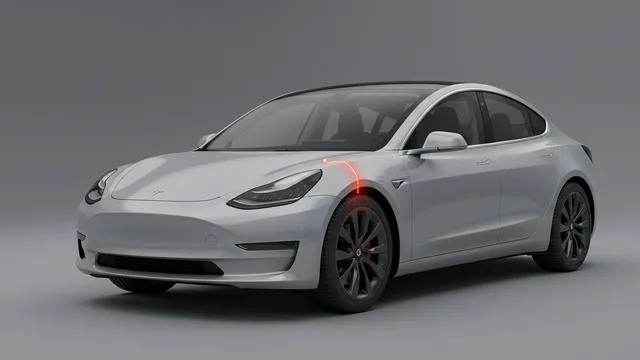
The 2022 Tesla Model 3 has a clean record with no recalls, owner complaints, or federal investigations. However, several manufacturer service bulletins address specific issues like a missing reinforcement plate, Occupant Classification System (OCS) replacement, and trunk water leaks.
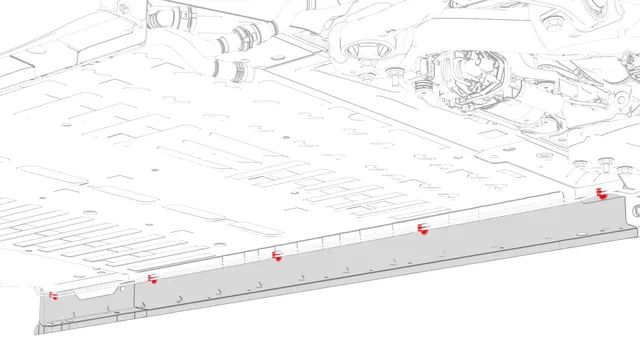
Tesla has issued Service Bulletin SB-26-33-001 for 2021-2023 Model 3 vehicles experiencing brake line corrosion, which can lead to brake fluid loss and a 'low brake fluid alert.' This bulletin outlines the inspection and replacement of corroded brake lines with new, corrosion-resistant parts.
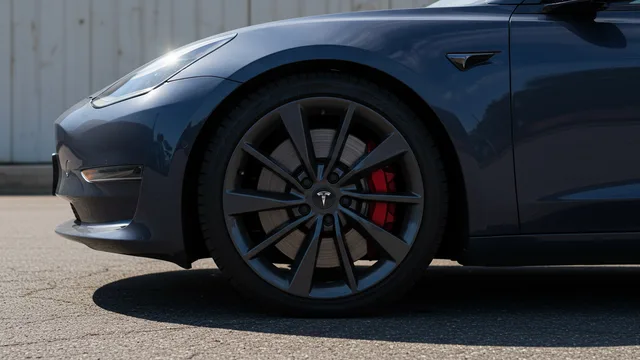
Tesla has issued TSB 11026875 regarding an accelerated tire pressure monitoring system (TPMS) sensor battery drain in certain 2025-2026 Model 3 and Model Y vehicles. This technical service bulletin outlines the process for identifying and replacing affected sensors.

A firmware diagnosis feature in 2017-2025 Tesla Model 3 and Model Y vehicles can detect chassis abnormalities related to wheel alignment, tire pressure, or suspension component wear. Tesla Service Bulletin SB-25-31-004 outlines the inspection and repair procedure for these issues.
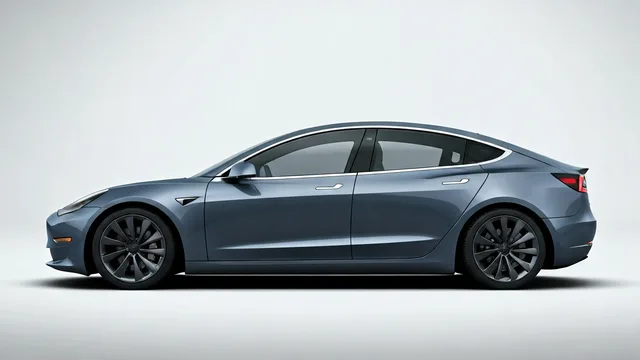
Tesla has issued Service Bulletin SB-25-16-001 for certain 2024 Model 3 and Model Y vehicles. This bulletin addresses high voltage (HV) batteries with cell modules that do not meet quality standards, potentially leading to a reduction in vehicle range. The recommended correction is a full HV…
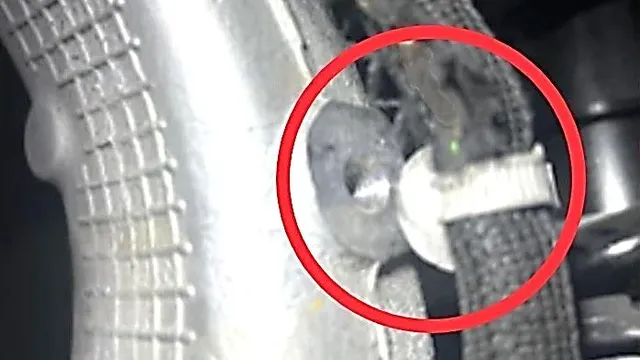
Tesla Service Bulletin SB-24-33-006 R1 addresses a condition in 2024 Model 3 vehicles where the RH front Wheel Speed Sensor (WSS) harness may be misrouted, potentially causing damage. This campaign bulletin outlines inspection and repair procedures for the WSS.
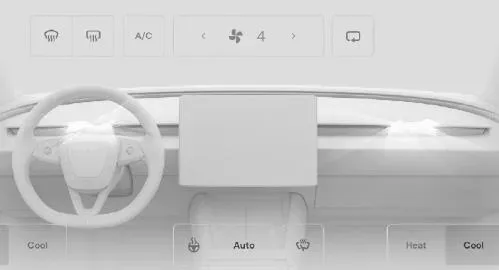
A rattling noise from the instrument panel air vents in some 2024 Tesla Model 3 vehicles is addressed by Service Bulletin SB-24-14-001 R1. This bulletin outlines diagnostic steps and replacement procedures for affected air vents.
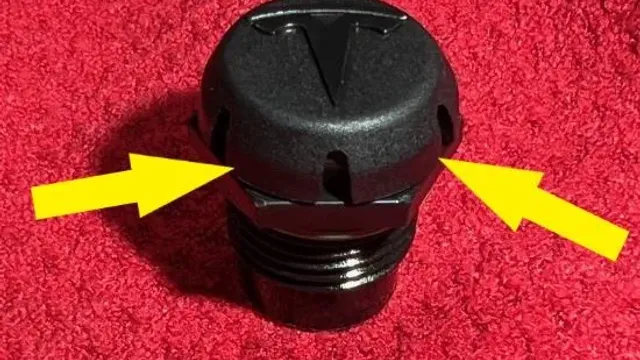
Tesla Service Bulletin SB-24-40-008 describes how to address minor oil loss from the Rear Drive Unit (RDU) breather in 2024 Model 3 Performance vehicles, often seen during high lateral acceleration maneuvers. The repair involves relocating the RDU breather and, if necessary, draining and refilling…
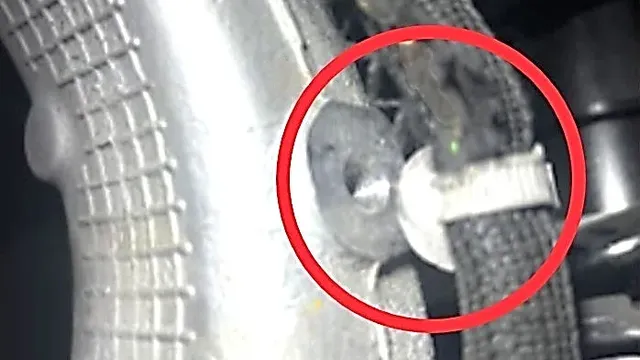
Tesla has issued Service Bulletin SB-24-33-006 for certain 2024 Model 3 vehicles regarding a potential misrouting of the RH front Wheel Speed Sensor (WSS) harness, which could lead to damage. This bulletin outlines inspection and repair procedures.
Tesla provides owner's manual content digitally, integrated into the vehicle's software and accessible via the touchscreen. This ensures the manual is always current and relevant to your specific vehicle configuration and software version, replacing traditional physical copies.
On XXX at approximately 12:56 PM Pacific on [XXX], my 2024 Tesla Model 3 VIN [XXX] was operating in Full Self-Driving (Supervised). The system detected oncoming traffic, stopped, then reversed to yield and backed into a parked 2015 Ford Transit van that had an occupant inside. I am the registered owner. [XXX] was the driver. TeslaCam saved events at 12:56:33 and 12:56:43. There was little visible damage, no injuries logged, and no police report. Tesla's consumer privacy form does not accept a crash narrative. I requested a Vehicle Data Report / copy of my data on XXX. USAA/[XXX] claim XXX later assigned 100 percent fault to the Tesla driver for backing, treating this as a conventional reverse collision rather than an FSD commanded maneuver. I am reporting this as a safety defect in FSD (Supervised) because the vehicle reversed into a parked occupied vehicle while the feature was engaged. INFORMATION REDACTED PURSUANT TO THE FREEDOM OF INFORMATION ACT (FOIA), 5 U.S.C. 552(B)(6)
On XXX at around 3:30 PM EST, I was driving my 2023 Tesla Model 3 on [XXX] about 10 miles outside of [XXX]. I had the adaptive cruise control set at 75 mph. I was driving in the right lane of the two available lanes of travel in that direction. I noticed an unattended car on the right shoulder about a 1/4 mile up the road and continued my drive as normal. The car was at least 5' to 6' off the highway. As i got about 30 yards from the car, my car suddenly slammed on the brakes automatically, which forced me to react in a corrective manner. Thankfully there was nobody behind me or the severity of the braking would have likely caused a rear end collision. To my understanding, this phantom braking is a known issue with Teslas, so I wanted to document my experience to add to the record. INFORMATION REDACTED PURSUANT TO THE FREEDOM OF INFORMATION ACT (FOIA), 5 U.S.C. 552(B)(6)
No injuries · No fire · No crash
The Tesla service center in San Antonio Texas installed new tires and a new wheel on my vehicle and one of the tires was installed inside out based on the manufacturer’s specifications. I’ve been driving this vehicle for about 4 months /5k miles with the risk of this tire malfunctioning and causing an accident.
No injuries · No fire · No crash
To Whom It May Concern, I am reporting what I believe is a foreseeable child-safety risk involving Tesla’s Toybox feature. Tesla allows parents to PIN-restrict Arcade, Theater, and the web browser, but Toybox remains accessible. Recently, I briefly went inside my home to use the bathroom, and my child slipped outside and climbed into my parked Tesla specifically to use the touchscreen and Toybox. Fortunately, I discovered him quickly. In hot weather, however, a child remaining unnoticed inside a parked vehicle could face serious injury or death, particularly if climate control were disabled, changed, or failed. Tesla already has the software infrastructure to restrict entertainment features. Adding Toybox to Parental Controls appears to be a straightforward safety improvement. I believe this omission creates an unnecessary and foreseeable risk to children and warrants review as a potential vehicle safety concern. Sincerely, [XXX] Tesla Model 3 Owner INFORMATION REDACTED PURSUANT TO THE FREEDOM OF INFORMATION ACT (FOIA), 5 U.S.C. 552(B)(6)
No injuries · No fire · No crash
On 8/24/2026 at approximately 12:02pm, my 2023 Model 3 was parked in my assigned space in a covered apartment carport, with a concrete support pillar approximately one to two feet from the passenger side. I entered a destination and activated FSD (Supervised) from Park, a Tesla-designed feature. Vehicle telemetry recorded in the dashcam clips shows FSD shifted into Drive, activated the right turn signal, turned the steering wheel to near full right lock, and accelerated to 3 mph, contacting the pillar with the passenger mirror and front door approximately 1.5 seconds after first movement. No accelerator or brake input was recorded from me before the collision. I applied the brake within one second of the impact beginning, and FSD disengaged. The pillar was within view of the vehicle's side cameras throughout. No warning was given. Damage to the passenger door; no injuries. Dashcam video with telemetry overlay and photos available.