2021-2025 Jeep/Ram Engine Rattle Noise TSB S2509000001
If your 2021-2025 Jeep, Dodge, or Ram vehicle has an engine rattle noise, this manufacturer communication (TSB S2509000001) outlines a diagnostic procedure to identify phaser-related issues and provides critical repair modifications for technicians.
 Sarah Mitchell2024 Jeep Wrangler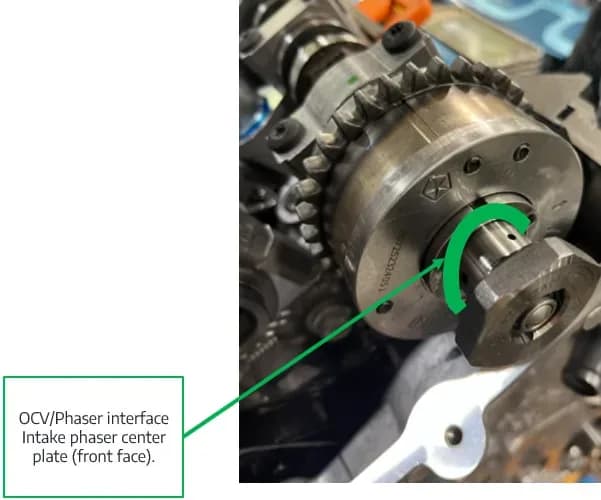
Also applies to
- Jeep Gladiator
- 2021–2025
- Jeep Grand Cherokee
- 2021–2025
- Jeep Grand Cherokee L
- 2021–2025
- Jeep Wrangler
- 2021, 2022, 2023, 2025
- Dodge Durango
- 2021–2025
- Ram 1500
- 2021–2025
Stellantis has issued Manufacturer Communication S2509000001, a STAR Online Publication, to address customer complaints regarding an engine rattle noise in various 2021-2025 Jeep, Dodge, and Ram vehicles. This technical service bulletin (TSB) provides technicians with a specific diagnostic procedure to identify phaser-related noise and outlines crucial modifications to existing repair procedures for camshaft phaser replacement.
The document, released in February 2025, serves as a guide for technicians to accurately diagnose and repair the Jeep Ram engine rattle noise, ensuring proper tool usage and lubrication during the repair process.
Symptoms of Engine Rattle Noise
Owners may notice a distinct rattling noise coming from the engine. This Jeep Ram engine rattle noise typically presents under specific conditions:
- The noise is usually present approximately 30 seconds after starting the engine, once it has reached its normal operating temperature (194°F-230°F).
- When the gas pedal is pressed, the noise temporarily disappears. Upon releasing the gas pedal, the rattle noise returns. This behavior, if repeatable three times, strongly suggests a phaser-related issue.
Diagnosing the Engine Rattle
Technicians are instructed to follow a precise diagnostic sequence to confirm the source of the engine rattle noise:
- Ensure the engine reaches its normal operating temperature (194°F-230°F) before proceeding.
- Turn the engine off, then restart it.
- After 30 seconds, listen for the rattle noise. If present, perform the gas pedal test: press the pedal until the noise goes away, then release it to hear the noise return. Repeat this three times.
- If the noise behaves as described, it is likely phaser-related. A stethoscope should then be used to pinpoint the exact bank from which the noise originates. The document notes a high probability that the noise will come from the right bank.
Crucial Repair Procedure Modifications
Manufacturer Communication S2509000001 emphasizes that the repair procedure for replacing a suspect phaser is a modification to currently issued service procedures. Technicians must adhere to these updated instructions to avoid improper repairs.
Incorrect Tool Usage Warning
It is critical that technicians DO NOT USE the camshaft phaser holding tool with part number Tool #2025102090 when torquing the Oil Control Valves (OCVs). Using this specific tool for this step is incorrect and could lead to issues.
Correct Tool Usage
Conversely, technicians DO USE the cam holding tool with part number Tool #2025200090 when torquing the OCVs. This tool is specifically designed for the task and ensures proper assembly.
Critical Lubrication Instructions
Proper lubrication is essential during the installation of the intake phaser. Technicians must:
- DO ADD OIL HERE: Lubricate the front face of the phaser that makes contact with the OCV using clean engine oil after the intake phaser has been placed on the camshaft.
- DO NOT ADD OIL HERE: Crucially, technicians must NOT lubricate the rear face of the phaser, which contacts the camshaft. Lubricating this surface is incorrect and should be avoided.
Required Tools for Service
This bulletin specifically references two tools for camshaft phaser service:
- Tool #2025102090: Camshaft phaser holding tool (explicitly DO NOT USE for torquing OCVs).
- Tool #2025200090: Cam holding tool (explicitly DO USE for torquing OCVs).
What Owners Should Know
This manufacturer communication is intended for service technicians and provides guidance on diagnosing and repairing the Jeep Ram engine rattle noise. It's important to note that this document does not authorize warranty repairs and serves as a record of past experiences rather than a definitive conclusion about vehicle issues. Technicians are considered the experts responsible for appropriate action.
If you are experiencing an engine rattle noise in your 2021-2025 Jeep, Dodge, or Ram vehicle, it is recommended to contact your authorized dealership. They have access to the latest technical information, including this TSB S2509000001, and the specialized tools required to properly diagnose and address phaser-related issues.
NHTSA ID: 11014408
Gallery
4 images
Frequently Asked Questions
- What is the 'Jeep Ram engine rattle noise' described in TSB S2509000001?
- The 'Jeep Ram engine rattle noise' refers to a specific rattling sound from the engine that typically appears after startup and disappears when the gas pedal is pressed, returning when released. This behavior, as detailed in TSB S2509000001, indicates a potential issue with the camshaft phasers.
- How is the engine rattle noise diagnosed by a technician?
- Technicians diagnose the engine rattle noise by first ensuring the engine reaches normal operating temperature. They then perform a specific test involving engine restarts and gas pedal presses to observe the noise's behavior. A stethoscope is used to confirm that the noise is phaser-related and to pinpoint the affected engine bank.
- Are there specific tools or procedures for fixing the engine rattle noise?
- Yes, Manufacturer Communication S2509000001 outlines specific modifications to repair procedures. It explicitly states to 'DO NOT USE' camshaft phaser holding tool #2025102090 and to 'DO USE' cam holding tool #2025200090 when torquing OCVs. It also provides critical instructions on where to lubricate (front face of phaser) and where not to lubricate (rear face) during installation.
- What should I do if my Jeep, Dodge, or Ram vehicle has an engine rattle noise?
- If your 2021-2025 Jeep, Dodge, or Ram vehicle exhibits an engine rattle noise, you should contact an authorized dealership. They have access to technical communications like TSB S2509000001 and the necessary tools and expertise to diagnose and correctly repair phaser-related issues.
Related Articles
2024 Jeep Wrangler Problems: Recalls, Complaints & TSBs
The 2024 Jeep Wrangler has faced four safety recalls, primarily concerning exterior lighting and airbag deployment. While no owner complaints or federal investigations have been reported, twenty manufacturer service bulletins address various issues from engine performance and electrical glitches…
2024-2026 Jeep, Ram, Dodge Cylinder Head Bolt Inspection
Mopar has issued a Quality Inspection Request (QIR) concerning cylinder head cover bolts, part number 04893799AJ, for various 2024-2026 Jeep, Ram, and Dodge models. Dealers are instructed to identify and quarantine suspect bolts with a chamfered flange.
2024 Jeep Wrangler PCM Update for Misfire & O2 Sensor DTCs
A Technical Service Bulletin (TSB 18-003-26 REV. A) has been issued for the 2024 Jeep Wrangler to address various engine performance issues, including misfires, rough idle, and O2 sensor fault codes. This update involves reprogramming the Powertrain Control Module (PCM).
2021-2026 Jeep Wrangler / Gladiator Wind Noise TSB S2623000018
This technical service bulletin, S2623000018, addresses "Wind Noise From Hard Top Freedom Panels Near Rear View Mirror While Driving" in 2021-2026 Jeep Wrangler and Gladiator models, detailing a diagnostic and repair procedure involving the header seal.
2024 Jeep Wrangler Heated Steering Wheel Not Working TSB
If your 2024 Jeep Wrangler's heated steering wheel isn't working or isn't warm enough, Technical Service Bulletin (TSB) 08-121-26 from Stellantis outlines a software update for the Comfort Seat Wheel Module (CSWM) to resolve the issue.
Leave a comment
Comments are moderated and may take a moment to appear. Only your first name and the initial of your last name are shown publicly.
Comments
Be the first to comment.