2012 Audi A3 High-Pressure Fuel Pump Failure Investigation
NHTSA investigated high-pressure fuel pump (HPFP) failures in 2012 Audi A3 TDI and other models (EA11003). The investigation found misfueling with gasoline to be a primary cause, with low stall rates and no reported crashes or injuries.
 Marcus Weber2012 Audi A3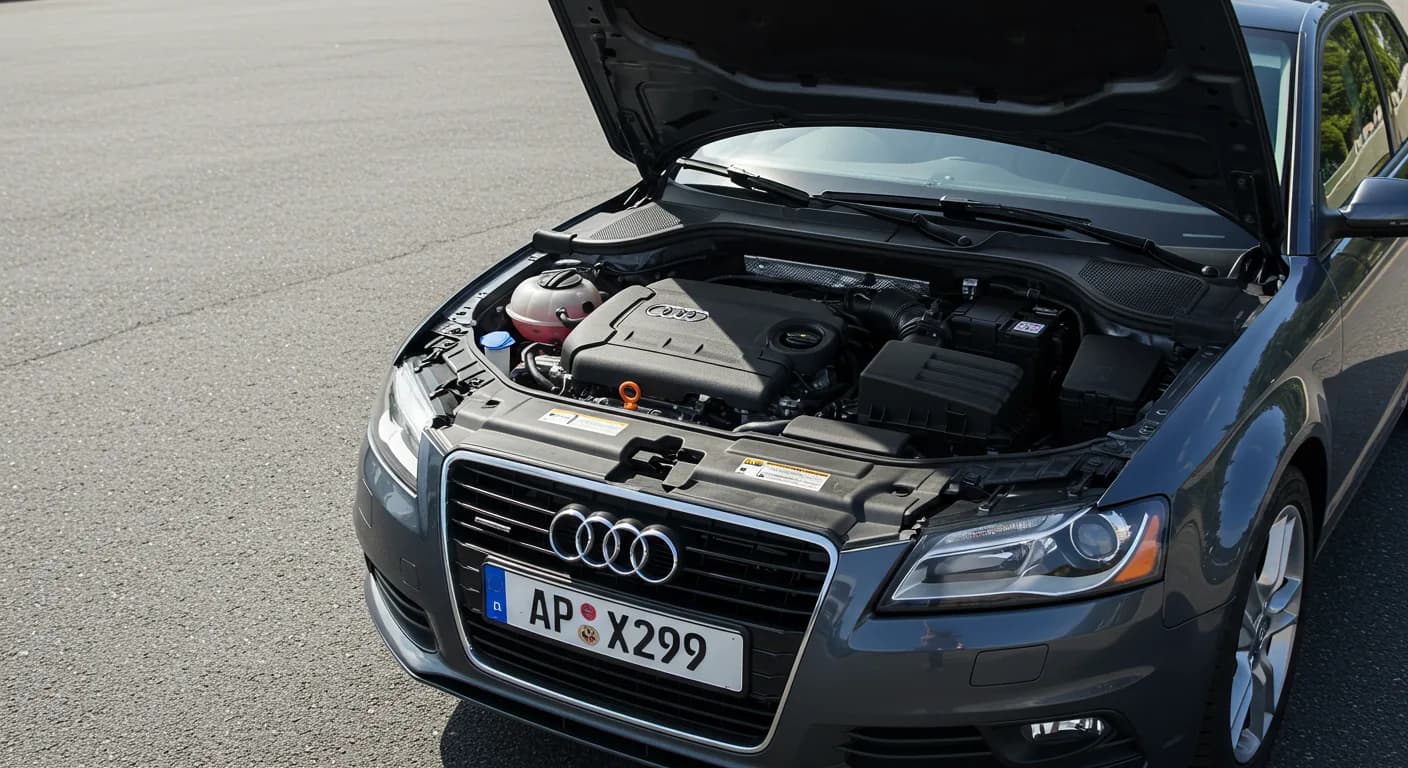
Şu araçlar için de geçerli
- Audi A3
- 2010–2011
- Audi Q7
- 2009–2012
NHTSA's Findings So Far
The National Highway Traffic Safety Administration (NHTSA) Office of Defects Investigation (ODI) initiated investigation EA11003 on February 7, 2011. This inquiry focused on numerous complaints regarding high-pressure fuel pump (HPFP) failures in various TDI vehicles, including the 2012 Audi A3. Volkswagen, the manufacturer, asserted that the HPFP units were designed and tested for the U.S. market and believed that misfueling with gasoline was the main reason for these drivetrain failures.
ODI's analysis indicated that most HPFP drivetrain failures did not lead to engine stall while driving. When stalling did occur, it was typically preceded by several warning symptoms. These included the "glow plug warning lamp" illuminating, an audible "chime," the vehicle entering "limp mode," and other "driveability symptoms." The failure data showed relatively low stalling rates, less than one percent at three years in service, for the pump designs used in the affected vehicles. Importantly, there were no reports of crashes, injuries, or fatalities linked to the alleged defect.
Scope of the Investigation
The EA11003 investigation initially covered model year (MY) 2009 through 2010 Volkswagen Jetta and Golf, and Audi A3 TDI vehicles. It later expanded to include MY 2009 through 2012 Volkswagen Jetta, Golf, and Touareg, as well as Audi A3 and Q7 vehicles equipped with TDI engines. Volkswagen noted that only the Q7 models were initially built with misfuel protection devices.
In May 2013, Volkswagen launched a service campaign to install misfuel protection devices in all MY 2009 through 2012 Jetta, Golf, and A3 vehicles. Starting with MY 2013, all subject models incorporated these misfuel protection devices from the factory. This action aimed to prevent future HPFP failures caused by misfueling.
What It Could Mean for Owners
For owners of a 2012 Audi A3 TDI, this investigation highlights the importance of using the correct fuel type. While the investigation is closed, the findings suggest that misfueling with gasoline is a significant factor in HPFP failures. If you own one of the affected vehicles and experience symptoms like the "glow plug warning lamp," "chime," "limp mode," or other "driveability symptoms," it's advisable to have your vehicle inspected.
Volkswagen's service campaign to install misfuel protection devices for MY 2009-2012 Jetta, Golf, and A3 models indicates a proactive step to mitigate this issue. If your vehicle falls within this range and has not had the device installed, you may want to inquire with a dealership. The 2012 Audi A3 investigation underscores the need for vigilance regarding fuel type.
Important Warnings
NHTSA's closure of this investigation does not definitively mean that a safety-related defect does not exist. The agency explicitly states that it will continue to monitor complaints and other information related to the alleged defect in the subject vehicles. Further action may be taken in the future if new information warrants it. Owners should remain aware of potential issues and report any concerns to NHTSA.
Source: NHTSA Action Number EA11003
Related Articles
2011-2012 Audi A3 Fuel Line Fire Risk Recall
Volkswagen of America has issued a recall (NHTSA ID: 11V490000) for certain 2011-2012 Audi A3 vehicles equipped with 2.0L TDI engines. A defect in the fuel injector line #2 can lead to cracks, fuel leakage, and a potential fire risk. Owners will receive a free repair.
2023 Audi Q5 Health Check: Recalls and Bulletins
The 2023 Audi Q5 has no reported recalls, owner complaints, or federal investigations. However, Audi has issued several technical service bulletins (TSBs) addressing various potential issues, including engine faults, electrical system warnings, and airbag system concerns. This article details…
2025 Audi Q5 Health Check: Service Bulletins and Common Issues
The 2025 Audi Q5 has no reported recalls, owner complaints, or federal investigations. However, a series of manufacturer service bulletins address various electrical system, software, and component-related issues, providing insights into potential concerns for owners.
2024 Audi Q5 Health Check: Service Bulletins and Common Issues
The 2024 Audi Q5 has no reported recalls or owner complaints, but several manufacturer service bulletins address issues like the EPC light, 12V battery discharge, and airbag warning lights. These TSBs outline specific diagnostic and repair procedures for technicians.
2022 Audi e-tron Problems: Electrical System & Braking Concerns
The 2022 Audi e-tron has faced significant owner complaints regarding its electrical system, including sudden power loss and charging hazards, as well as various braking malfunctions. This profile details these issues and relevant service bulletins.
Yorum bırakın
Yorumlar moderasyondan geçer ve görünmesi biraz zaman alabilir. Sadece adınız ve soyadınızın baş harfi herkese açık olarak gösterilir.
Yorumlar
İlk yorum sizden olsun.