2023-2026 Ram, Jeep, Dodge Rain Sensor Failure TSB S2308000120
Manufacturer Communication S2308000120 Rev. F addresses inoperative rain-sensing auto wipers and automatic headlamps in 2023-2026 Ram, Jeep, and Dodge vehicles due to internal rain sensor failure. Learn about symptoms, DTCs like B221D-00, and repair procedures.
 Marcus Weber2025 Jeep Compass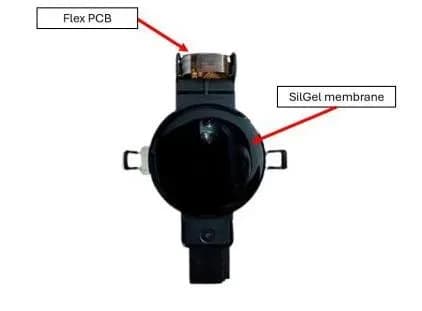
Şu araçlar için de geçerli
- Jeep Compass
- 2023, 2024, 2026
- Jeep Grand Cherokee
- 2023–2026
- Jeep Grand Cherokee L
- 2023–2026
- Jeep Grand Wagoneer
- 2023–2026
- Jeep Wagoneer
- 2023–2025
- Jeep Wagoneer S
- 2024–2026
- Dodge Charger
- 2024–2026
- Dodge Durango
- 2023–2026
- Ram 1500
- 2023–2026
- Ram 2500
- 2023–2026
- Ram 3500
- 2023–2026
- Ram 4500
- 2023–2026
- Ram 5500
- 2023–2026
▸ 7 tane daha göster▾ Daha az göster
The Manufacturer Communication S2308000120 Rev. F addresses a common problem affecting several 2023-2026 Ram, Jeep, and Dodge models: inoperative rain-sensing auto wipers and automatic headlamps. This issue is typically caused by an internal failure of the rain sensor itself. Owners experiencing a Jeep Compass rain sensor failure or similar issues in other affected models may notice that their automatic wipers do not activate in rain or that their headlamps do not switch on automatically in low light conditions.
This technical service bulletin (TSB) provides technicians with a detailed guide for diagnosing and resolving these issues, often linked to specific Diagnostic Trouble Codes (DTCs). The document emphasizes careful inspection and specific handling procedures for the rain sensor to prevent further malfunctions.
Symptoms of Rain Sensor Failure
Owners may observe one or both of the following symptoms:
- Rain-sensitive wipers are not functioning: The automatic wipers fail to activate or respond correctly to rain on the windshield.
- Automatic headlamps are inoperative: The headlamps do not turn on automatically when light conditions require them.
These symptoms point towards a potential internal failure of the rain sensor, which is a critical component for both systems. If you are experiencing a Jeep Compass rain sensor failure, it's important to have your vehicle inspected.
Diagnostic Trouble Codes (DTCs)
When the rain sensor or related systems malfunction, technicians may find one or more of the following Diagnostic Trouble Codes (DTCs) stored in the vehicle's computer system:
| Code | Description |
|---|---|
| B221D-00 | Rain Sensor Module (RSM) Internal |
| B221D-49 | Rain Sensor Module (RSM) Internal Electronic Failure |
| B23AA-00 | Implausible Data Received from Rain Sensor - General Electrical Failure |
| B225F-49 | Light sensor Internal |
| B11FA-49 | Humidity Sensor Internal |
| B2131-09 | Humidity Light Rain Light Sensor Component Failures |
These codes specifically indicate various internal faults within the rain sensor module or its components, such as the light or humidity sensors.
Important Warnings for Owners and Technicians
This communication includes critical advisories to ensure proper diagnosis and repair:
- "CAUTION: During installation or removal process of the sensor, the SILGel membrane and Humidity Flex PCB must not be handled/touched, as this may cause sensor malfunctions see steps 1-5." This highlights the delicate nature of the sensor's internal components.
- "NOTE: Before performing any removal or troubleshooting activity, visually inspect the rain sensor installation from both outside and inside the vehicle." A thorough visual check is the first step to identify obvious issues.
- "The wipers will not operate in the high-speed mode if the vehicle is in “Park” or travelling below 4 MPH (7 km/h). A car wash is not a reliable test method due to the limitations mentioned above." Owners should be aware of these operational limitations when testing the system.
- "Removing power from the light rain sensor by disconnecting the vehicle battery is required for proper sensor calibration." This specific step is crucial for ensuring the sensor recalibrates correctly after service.
- "NOTE: Removed parts must be protected using the plastic cover from the new part, and tape should be applied to prevent the removed part from being further damaged during shipping. This ensures that root cause analysis can be performed by Engineering and the supplier." This instruction ensures that any faulty components can be properly analyzed by the manufacturer.
Diagnosis and Repair Overview
The repair procedure, detailed in Manufacturer Communication S2308000120 Rev. F, begins with verifying basic settings and conducting a comprehensive visual inspection.
- Initial Checks: Ensure the auto-on wiper selection is enabled in the radio settings and the headlamp switch is set to AUTO-ON.
- Windshield Inspection: Inspect the windshield area around the light rain sensor for any obstructions like tint, aftermarket equipment, or cracks. If the windshield was recently replaced, the sensor mounting area should be carefully checked.
- Visual Sensor Inspection: Technicians must visually inspect the sensor at the glass for air bubbles or damage to the SILGel membrane, which could indicate improper installation or a recent windshield replacement. Photos of the sensor's overall appearance and proper seating must be attached to documentation.
- Functional Testing:
- Rain-sensing wipers: Test by splashing water near the sensor with the vehicle in "Park" and ignition on, confirming activation in the cluster or radio.
- Auto headlamps: Block light to the sensor with an opaque object, ensuring the headlamp switch is in auto mode, and verify proper operation.
- DTC and Battery Voltage Review: Record any DTCs and associated environmental data, particularly battery voltage. If DTCs are triggered by low battery voltage, the sensor should not be removed; instead, erase the DTCs and retest.
- Connector Security: Remove the rear-view mirror cover and check the sensor connector. Use the "push-pull-push method" to secure loose connections. If the connector and harness are undamaged, disconnect and reconnect the sensor to ensure proper electrical contact and verify it's fully retained by its bracket.
- DTC Erasure and Calibration: Erase DTCs and perform a key cycle (key off for 1 minute with wiTECH disconnected). Disconnecting the vehicle battery is essential for proper sensor calibration. After battery reconnection, retest the system. If DTCs persist, perform at least three key cycles to allow the sensor to relearn its calibration, or follow Service Library DTC diagnostics.
Owner Actions and Next Steps
If you own a 2023-2026 Ram, Jeep, or Dodge vehicle and are experiencing issues with your rain-sensing wipers or automatic headlamps, especially if you suspect a Jeep Compass rain sensor failure, it is recommended to:
- Check Basic Settings: Verify that your auto-on wiper and headlamp settings are correctly enabled in your vehicle's infotainment system and on the headlamp switch.
- Inspect Windshield: Look for any obvious obstructions, tint, or cracks on your windshield in the area of the rain sensor.
- Contact Your Dealership: Schedule an appointment with an authorized Ram, Jeep, or Dodge service center. Inform them of the symptoms you are experiencing and mention Manufacturer Communication S2308000120 Rev. F. They have the necessary tools and expertise to diagnose the specific DTCs and perform the outlined repair procedure.
Source: NHTSA ID: 11028744, Manufacturer Communication S2308000120 Rev. F
Frequently Asked Questions
- What causes rain-sensing wipers and auto headlamps to fail in 2023-2026 Ram, Jeep, and Dodge vehicles?
- According to Manufacturer Communication S2308000120 Rev. F, the primary cause is an internal failure of the rain sensor itself, which can lead to various Diagnostic Trouble Codes (DTCs) such as B221D-00.
- What are common DTCs associated with rain sensor failure?
- Common DTCs include B221D-00 (Rain Sensor Module Internal), B221D-49 (Rain Sensor Module Internal Electronic Failure), B23AA-00 (Implausible Data Received from Rain Sensor - General Electrical Failure), B225F-49 (Light sensor Internal), B11FA-49 (Humidity Sensor Internal), and B2131-09 (Humidity Light Rain Light Sensor Component Failures).
- Can I fix the rain sensor issue myself?
- While you can perform initial checks like verifying settings and inspecting your windshield for obstructions, the repair procedure involves delicate handling of the sensor and specific calibration steps. It's recommended to have an authorized dealership perform the diagnosis and repair to avoid further damage.
- Why is disconnecting the battery important for rain sensor calibration?
- Manufacturer Communication S2308000120 Rev. F states that "Removing power from the light rain sensor by disconnecting the vehicle battery is required for proper sensor calibration." This step ensures the sensor can properly relearn its settings after service.
- What should I do if my Jeep Compass rain sensor failure persists after basic checks?
- If you've checked your settings and windshield for obstructions and the issue, such as a Jeep Compass rain sensor failure, persists, you should contact an authorized Ram, Jeep, or Dodge service center. Inform them about Manufacturer Communication S2308000120 Rev. F for proper diagnosis and repair.
Related Articles
2025 Jeep Compass ACC Module Update TSB 08-162-26
Jeep has released TSB 08-162-26 for 2025 Compass models equipped with Adaptive Cruise Control. This bulletin addresses Malfunction Indicator Lamp (MIL) illumination, DTC C14A4-00, and 'ACC/FCW Unavailable, Service Required' messages by updating the ACC module software.
2025 Jeep Compass ACC Software Update TSB 08-154-26
A Technical Service Bulletin (TSB 08-154-26) has been issued for the 2025 Jeep Compass to address Adaptive Cruise Control (ACC) software issues. Owners may experience a Malfunction Indicator Lamp (MIL) illumination, DTC C14A4-00, or messages like 'ACC/FCW Unavailable, Service Required'.
2021-2025 Jeep Compass Stabilizer Bar Link Service Guide
This manufacturer communication (NHTSA ID 11031334) provides critical guidance for servicing stabilizer bar links on 2021-2025 Jeep Compass vehicles. It emphasizes the importance of using consistent material (all metal) for replacement links and avoiding mixed components.
2023-2025 Jeep Compass TCM Software Emissions Recall
FCA US LLC has issued Emissions Recall 12D for 2023-2025 Jeep Compass vehicles with 2.0L engines. The recall addresses a Transmission Control Module (TCM) software issue that may prevent the erasure of "Permanent Fault Codes", leading to potential failures in Inspection/Maintenance (I/M) testing.
2025-2026 Jeep Compass Coolant Sensor Malfunction TSB
Owners of 2025-2026 Jeep Compass vehicles may experience a Malfunction Indicator Lamp (MIL) or engine overheating warning with DTC P0115-00 due to a faulty Engine Coolant Temperature (ECT) sensor. TSB 08-115-26 addresses this issue.
Yorum bırakın
Yorumlar moderasyondan geçer ve görünmesi biraz zaman alabilir. Sadece adınız ve soyadınızın baş harfi herkese açık olarak gösterilir.
Yorumlar
İlk yorum sizden olsun.