2006-2023 Audi Models Zirconium Inserts in Brake Piston TSB
Audi Technical Service Bulletin 2069078/1 addresses loose zirconium inserts in ceramic brake pistons on 2006-2023 Audi models. This issue is typically found during service, not by customer complaint, and involves refitting the inserts.
 Ahmet Topcu2022 Audi e-tron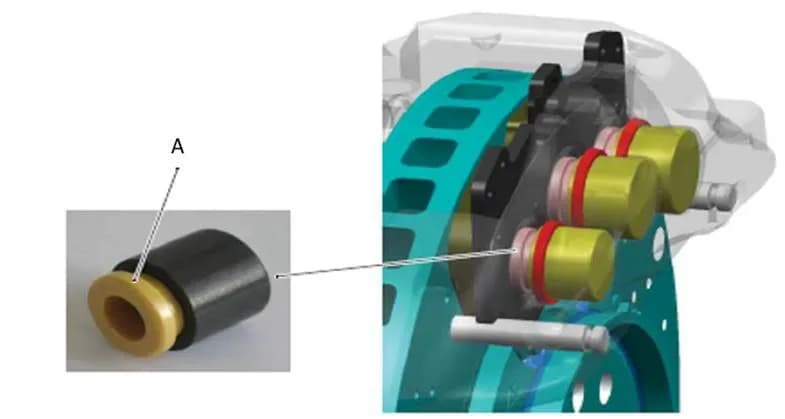
Şu araçlar için de geçerli
- Audi A3
- 2022–2023
- Audi A4
- 2021–2023
- Audi A4 allroad
- 2021–2022
- Audi A5
- 2021–2023
- Audi A6
- 2021–2023
- Audi A6 allroad
- 2021–2022
- Audi A7
- 2021–2023
- Audi A7 e
- 2021–2022
- Audi A8 L e
- 2021
- Audi e-tron
- 2021, 2023
- Audi e-tron GT
- 2022–2023
- Audi Q3
- 2021–2023
- Audi Q5
- 2021, 2023
- Audi Q7
- 2021–2023
- Audi Q8
- 2021–2023
- Audi R8
- 2021–2023
- Audi RS 3
- 2022–2023
- Audi RS 5
- 2021–2023
- Audi RS 6 Avant
- 2021–2023
- Audi RS 7
- 2021–2023
- Audi RS e-tron GT
- 2022–2023
- Audi RS Q8
- 2021–2023
- Audi S3
- 2022–2023
- Audi S4
- 2021–2023
- Audi S5
- 2021–2023
- Audi S6
- 2021–2023
- Audi S7
- 2021–2023
- Audi S8
- 2021–2023
- Audi SQ5
- 2021–2023
- Audi SQ7
- 2021–2023
- Audi SQ8
- 2021–2023
- Audi TT
- 2021–2023
- Audi TT RS
- 2021–2022
- Audi TTS
- 2021–2023
▸ 28 tane daha göster▾ Daha az göster
Audi Technical Service Bulletin (TSB) 46 23 40, also known as 2069078/1, was issued on January 5, 2023. This bulletin provides specific guidance for technicians who encounter loose zirconium inserts within the brake pistons of ceramic brake systems. This TSB applies to all Audi models manufactured between 2006 and 2023 that are equipped with ceramic brakes. For owners concerned about Audi e-tron loose zirconium inserts, this document offers clarity.
Symptoms
This particular issue is unique because it is not typically reported by customers as a noticeable problem. Owners will generally not experience any specific symptoms or warning lights related to this condition. Instead, the presence of loose zirconium inserts is usually discovered by technicians during routine diagnostic work or when performing other services on the brake calipers, such as replacing brake pads. The primary workshop finding is that the zirconium inserts are not firmly attached to the brake piston; they may be loose or can be easily turned or moved within their housing. This condition does not affect the normal operation of the braking system.
Technical Background
Zirconium inserts are a critical component within Audi's ceramic brake systems, specifically designed to manage the extreme temperatures generated during braking. Their main function is to act as thermal insulators, preventing the intense heat from the brake pads from transferring directly to the brake piston. This insulation is vital for protecting sensitive components like the brake caliper seals and the brake fluid from excessive heat exposure. Maintaining optimal temperatures for these components ensures the long-term integrity and consistent performance of the braking system. Figure 1 in the TSB illustrates these zirconium inserts (labeled as item A) within the ceramic brake system.
Repair Procedure Summary
The repair for this condition is straightforward and aims to correct the position of the loose inserts without requiring extensive part replacement. When a loose zirconium insert is identified during service, the technician's task is to simply fit the zirconium insert back into its correct position within the brake piston. The TSB explicitly states that it is "neither necessary nor justified to replace the brake caliper" for this issue. This guidance is important as it prevents unnecessary and costly part replacements. The bulletin also reassures that "The brake system's functions are not affected" by the presence of these loose inserts, meaning the vehicle's braking performance and safety are not compromised. This applies to all affected models, including those with Audi e-tron loose zirconium inserts.
Important Warnings for Owners
Owners of 2006-2023 Audi models with ceramic brakes should be aware of specific points highlighted in this TSB:
- No Customer Concerns: You will likely not experience any symptoms or issues related to this condition. It is typically found only during technician inspection.
- No Safety Impact: The TSB explicitly states that "The brake system's functions are not affected." This means the loose inserts do not compromise your vehicle's braking performance or safety.
- Do Not Replace Brake Caliper: If this condition is identified, the repair involves simply refitting the insert. It is "neither necessary nor justified to replace the brake caliper," which can be a costly component. Ensure your service center follows this guidance.
Warranty Information
Audi Technical Service Bulletin 2069078/1 is classified as "informational only" and is "not applicable to any Audi warranty." This means that while it provides crucial technical guidance for technicians, any service performed under the scope of this TSB would not typically be covered by standard Audi warranty provisions unless other underlying warranty-eligible issues are present.
Additional Information for Technicians
The TSB notes that all part and service references provided, including the TSB number 2069078, are subject to change or removal. Technicians are advised to always check with their Parts Department and/or the Electronic Parts Catalog (ETKA) for the most current information and parts bulletins. Furthermore, the Repair Manual should be consulted for specific instructions regarding fasteners, bolts, nuts, and screws that require replacement during any repair procedure. This ensures proper reassembly and adherence to Audi's service standards. If you are concerned about Audi e-tron loose zirconium inserts, consult your dealer.
NHTSA ID: 10230640
Frequently Asked Questions
- What is Audi TSB 2069078/1 about?
- Audi Technical Service Bulletin 2069078/1 addresses instances where zirconium inserts in ceramic brake pistons are found to be loose during vehicle service. It provides instructions for technicians on how to handle this condition.
- Will I notice any symptoms if my Audi has loose zirconium inserts?
- According to the TSB, owners typically will not experience any noticeable symptoms or concerns. The issue of loose zirconium inserts is usually discovered by technicians during other service work, such as brake pad replacement.
- What is the repair for loose zirconium inserts in Audi ceramic brakes?
- The repair involves simply refitting the zirconium insert back into the brake piston. Audi specifies that it is not necessary or justified to replace the entire brake caliper, as the loose inserts do not affect the brake system's overall function.
- Does this TSB mean my Audi's ceramic brakes are unsafe?
- No, the TSB explicitly states that "The brake system's functions are not affected" by the loose zirconium inserts. This issue is primarily a manufacturing observation during service, not a safety defect impacting brake performance.
Related Articles
2022 Audi e-tron Problems: Electrical System & Braking Concerns
The 2022 Audi e-tron has faced significant owner complaints regarding its electrical system, including sudden power loss and charging hazards, as well as various braking malfunctions. This profile details these issues and relevant service bulletins.
2022-2026 Audi Guided Fault Finding Reporting Obligation
Audi has issued Technical Service Bulletin TPI 2033392, also known as Transaction No. 2081531/1, regarding a reporting obligation for technicians when Guided Fault Finding produces an unexpected result. This TSB outlines the process for contacting Audi Product Support for diagnostic assistance.
2022-2026 Audi Infotainment System Complaints
Audi has released Technical Service Bulletin (TSB) 2081405/1 to address various customer complaints regarding infotainment systems in 2022-2026 Audi vehicles. This TSB helps technicians diagnose issues often caused by external media or mobile devices, rather than vehicle technology.
2018-2026 Audi Models Cracking Noise TSB 2061464/11
Audi Technical Service Bulletin 2061464/11 describes a cracking noise from the front or rear axle when changing direction in various 2018-2026 Audi models. The issue is due to stub axle movement and is resolved by bonding the stub axle to the wheel bearing with locking fluid.
2022-2026 Audi Parking Aid False Warnings TSB 2024323/13
Audi has released Technical Service Bulletin 2024323/13 to address customer complaints of false parking aid warnings. This bulletin details various environmental and vehicle-specific conditions that can cause the parking aid system to issue alerts even when no obstacles are present. It provides…
Yorum bırakın
Yorumlar moderasyondan geçer ve görünmesi biraz zaman alabilir. Sadece adınız ve soyadınızın baş harfi herkese açık olarak gösterilir.
Yorumlar
İlk yorum sizden olsun.