2019-2023 Audi Parking Aid False Warnings TSB
Audi TSB 91 21 04 details how to diagnose and resolve false parking aid warnings, inoperative sensors, or constant warnings affecting 2019-2023 Audi vehicles. This bulletin covers sensor fitting issues, environmental factors, and wiring checks.
 Sarah Mitchell2021 Audi e-tron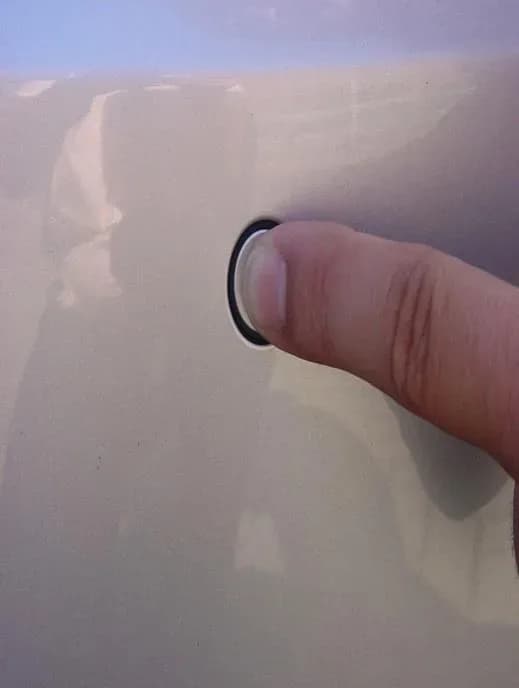
Şu araçlar için de geçerli
- Audi A3
- 2022
- Audi A4
- 2021–2023
- Audi A5
- 2021–2023
- Audi A6
- 2021–2023
- Audi A6 allroad
- 2021
- Audi A7
- 2021–2023
- Audi A7 e
- 2021–2022
- Audi A8 L e
- 2021
- Audi Q3
- 2021–2022
- Audi Q5
- 2021
- Audi Q7
- 2021–2023
- Audi Q8
- 2021–2023
- Audi RS 3
- 2022
- Audi RS 5
- 2021–2023
- Audi RS 6 Avant
- 2021–2023
- Audi RS 7
- 2021–2023
- Audi RS Q8
- 2021–2023
- Audi S3
- 2022
- Audi S4
- 2021–2023
- Audi S5
- 2021–2023
- Audi S6
- 2021–2023
- Audi S7
- 2021–2023
- Audi S8
- 2021–2023
- Audi SQ5
- 2021–2023
- Audi SQ7
- 2021–2022
- Audi SQ8
- 2021–2023
- Audi TT
- 2021–2022
- Audi TT RS
- 2021–2022
- Audi TTS
- 2021–2022
▸ 23 tane daha göster▾ Daha az göster
Revision History
This Technical Service Bulletin (TSB) 91 21 04 2024323/8, issued on May 18, 2021, supersedes TSB Group 91 number 21-64 dated January 25, 2021. The revisions include:
- Revision 8: Revised header to add model years and models, and revised Additional Information to add a reference.
- Revision 7 (January 25, 2021): Revised header to add Model Year 2021-2022.
- Revision 6 (September 12, 2019): Revised header to correct an Elsa display issue and revised Service to add a tip.
Symptoms
Owners of affected 2019-2023 Audi vehicles may experience the following issues with their parking aid system:
- "Parking aid sporadically warns of obstacles when none exist."
- "Parking aid is inoperative or provides a constant warning."
These symptoms, often described as "Audi parking aid false warnings," can lead to confusion and reduced confidence when parking.
Technical Background
Audi has identified that these parking aid malfunctions can stem from several factors. These include various parking aid sensor fitting issues, where sensors are not correctly installed or seated. Additionally, environmental conditions can significantly impact the system's performance, leading to inaccurate readings.
Audi provides informational videos for technicians to review before attempting repairs. These include a video related to false parking system warnings (Figure 1) and another for parking system malfunctions (Figure 2).
Diagnosis and Repair Procedure
Diagnosing the root cause of "Audi parking aid false warnings" involves a comprehensive inspection process. Technicians are advised to follow these steps:
- Initial Visual Inspection: Confirm there are no obvious obstructions such as aftermarket components, physical vehicle damage, excessive dirt, snow, or stickers on the sensors.
- Fault Memory Check: Review the vehicle's fault memory and proceed according to the Guided Fault Finding (GFF) system. If GFF pinpoints a specific sensor, follow its dedicated test plan.
- If no specific sensor is identified, check the Measured Value Blocks (MVBs) in the master module for the parking aid sensors. These can be found in the guided functions or OBD of module 09, 76, or A5. Compare sensor response values while moving a test object closer/further away; all sensors should respond similarly. An MVB reading of 255 indicates no obstruction. If 255 is shown but an obstruction is identified, proceed to step 3.
- Note that vehicles can be equipped with 4, 8, or 12 channel parking aid systems; refer to Elsa for vehicle-specific information.
- Sensor Physical Inspection: Examine parking sensors (Figure 3) for mechanical damage like stone chips or scratches. Also, check for dirt, ice, foreign bodies, or foil adhered to the sensor. Inspect the bumpers for damage that might suggest a previous accident or paintwork. Figure 3 illustrates stone chips causing sensor failure.
- Accessory Interference Check: Verify that no non-Audi Genuine Accessories, such as aftermarket towing bars, lowering kits, spoilers, or bumpers, are interfering with parking aid operation.
- License Plate Holder Inspection (8 and 12 channel systems): For vehicles with 8 or 12 channel parking aid systems, check the front license plate holder for protrusion. The license plate and holder must fit flat. Check for bent corners that can cause false readings, and verify correct fit; oversized holders or frames can obstruct parking aid sensors.
- Pressure Check Sensor Fit: Perform a pressure check (Figure 4) to ensure the parking sensors are tightly fitted and correctly attached. If a sensor feels loose, the bumper must be removed, and the sensor reinstalled. Figure 4 shows a pressure check on a parking aid sensor.
- Decoupling Ring Check: Check that the decoupling ring is correctly seated (Figures 5-7). If the ring is folded or bulging, remove the bumper and reinstall the sensor. Figure 5 shows a correctly seated decoupling ring, while Figure 6 depicts a bulging ring and Figure 7 a folded ring.
- Sensor Centering Check: Verify that the sensor is centered inside of the mounting hole (Figures 8-9). If the sensor is mounted off-center, remove the bumper and reinstall the sensor. Figure 8 shows a correctly centered parking aid sensor, and Figure 9 shows an off-center sensor.
- Sensor Flushness Check: Ensure the sensor sits flush with the bumper (Figures 10-11). If the sensor is recessed or bulging, remove the bumper and reinstall the sensor. Figure 10 shows a correctly installed parking aid sensor, and Figure 11 shows a recessed sensor.
- Re-evaluate Concern: If an issue was identified and remedied, proceed to step 15. If no issues were identified and the concern cannot be duplicated, proceed to step 15. If the concern still persists, continue to step 11.
- Connector and Wiring Inspection: Remove the bumper and check the connectors on the sensors, the socket box of the bumper, on the control module for parking assistance, and on the sound generator of the parking assistance for corrosion, water ingress or water marks, bent-open pins, pushed-back pins, and the correct fit of plug seal. If a specific sensor is identified by the diagnostic tester, proceed forward for that specific sensor only.
- Cable Damage and Length Check: Check the cables in the bumper for damage and sufficient length (Figures 12-13). Cables that are too short can cause damage to the harness. If the cable is damaged, repair it using VAS Repair Kit 1978. If the cable is too tight, correct the routing by moving the support clip so the cable is no longer under tension. Figure 12 shows a correctly installed cable, and Figure 13 shows a sensor cable with insufficient length.
- Connector Installation Check: Check the connectors on the parking sensors and the socket box for correct installation (Figures 14-15). If the connectors are not installed properly, reinstall them. Figure 14 shows a correctly installed parking aid sensor connector, and Figure 15 shows a connector that is not seated correctly.
- Re-evaluate Concern: If an issue was identified and remedied, proceed to step 15. If the concern still persists, swap affected parking aid sensors or control modules until the issue is identified, remedy the concern, then proceed to step 15.
- Environmental Factors: Notify the customer that various environmental factors can cause incorrect warnings. These include high plants and curbs; gravel paths, cobblestone paths, potholes, grates, and sharp bends in the road, slopes, driveways, or ramps; water, ice, or snow on the parking sensors or bumper; exhaust gases of the vehicle under certain weather conditions; and conflicting ultrasound sources (e.g., pneumatic brakes on trucks, animal alarms, other parking aid systems, fluorescent lighting).
Required Tools or Parts
For cable repairs related to the "Audi parking aid false warnings" issue, technicians may need:
- VAS Repair Kit 1978
Warranty Information
This TSB outlines specific warranty claim types and labor operations for addressing "Audi parking aid false warnings":
- Claim Type: 110 (up to 48 Months/50,000 Miles) or G10 (for CPO Covered Vehicles – Verify Owner).
- Service Number: 9175
- Damage Code: 0010
- Labor Operations:
- Remove and install the rear parking aid sensor: 9175 XXXX (See SRT with associated operations)
- Remove and install the front parking aid sensor: 9175 XXXX (See SRT with associated operations)
- Remove and install the rear bumper: 6369 19XX (See SRT with associated operations)
- Remove and install the front bumper: 6329 19XX (See SRT with associated operations)
- Lane Change Assist recalibration (if necessary): 9635 XXXX (See SRT with associated operations)
- Repair wiring harness: 9175 4199 (Max 30 TU)
- Diagnostic Time: GFF (0150 0000), time stated on diagnostic protocol (Max 30 TU).
Important Warnings
Owners and technicians should be aware of the following important conditions:
- Warranty Exclusions: "Exterior damage to the vehicle, including stone chips and scratches, is not covered by Audi Warranty." Additionally, "Accounting for an incorrectly fitted license plate holder or for cleaning the sensors is not permitted under warranty."
- Painting Sensors: "When painting sensors, the special painting instructions for parking sensors in the paint repair manual must be observed."
- Out-of-Warranty Vehicles: "If the vehicle is outside any warranty, this Technical Service Bulletin is informational only."
Additional Information
To complete this procedure, technicians may also need to consult TSB 2039206, titled "00 How to watch TSB videos." All parts and service references provided in TSB 2024323 are subject to change and/or removal. Always check with the Parts Department and/or ETKA for the latest information and parts bulletins. Technicians should also consult the Repair Manual for fasteners, bolts, nuts, and screws that require replacement during the repair.
NHTSA ID: 10194418
Galeri
7 görsel
Frequently Asked Questions
- What are the common symptoms of parking aid issues covered by Audi TSB 91 21 04?
- The common symptoms include the parking aid sporadically providing "false parking system warnings" when no obstacles are present, or the system being "inoperative or provides a constant warning."
- What factors can cause "Audi parking aid false warnings"?
- False warnings can be caused by various parking aid sensor fitting issues, environmental conditions like water or snow on sensors, non-Audi accessories interfering with the system, or damaged/improperly installed wiring and connectors. Technicians check MVBs in modules like 09, 76, or A5 during diagnosis.
- Is the repair for "Audi parking aid false warnings" covered under warranty?
- Yes, repairs for remounting parking assist sensors, replacing sensor brackets, or repairing system wiring are generally covered under warranty (up to 48 months/50,000 miles or for CPO vehicles) under Service Number 9175 and Damage Code 0010. However, issues caused by incorrectly fitted license plate holders or simply cleaning sensors are not covered. Exterior damage like stone chips is also not covered by Audi Warranty.
- What should I do if my Audi's parking aid system is giving false warnings?
- If your 2019-2023 Audi is experiencing "Audi parking aid false warnings," it is recommended to have it inspected by an authorized Audi service center. They can perform the diagnostic steps outlined in TSB 91 21 04 2024323/8 to identify and resolve the specific cause of the malfunction.
- What specific tools are mentioned for repairing wiring related to parking aid issues?
- If a sensor cable is found to be damaged, the TSB specifies using VAS Repair Kit 1978 for the repair.
Related Articles
2021 Audi e-tron Electrical Malfunction and Power Loss
A 2021 Audi e-tron owner reported a severe 'Electrical Malfunction' resulting in complete loss of power on the highway. The issue has persisted despite dealer attempts to fix it over five months, posing significant safety risks.
2021-2026 Audi UTR Troubleshooting & FAQs TSB 2081409/1
This Audi Technical Service Bulletin (TSB 2081409/1) provides comprehensive answers to frequently asked questions and troubleshooting steps for the Audi Universal Traffic Recorder (UTR) accessory, covering topics like SD card compatibility, video playback, Wi-Fi issues, and more.
2021-2025 Audi Emergency Call System Fault TSB
Audi has released Technical Service Bulletin 2059528/18 to address an "Emergency call function: malfunction! Function unavailable. Please contact service" warning, often accompanied by a red SOS LED and DTC B200000. This issue affects various 2021-2025 Audi models and is due to a software problem…
2021-2026 Audi Adaptive Light System Fault C12B3FA TSB
Audi has released Technical Service Bulletin 2054202/7 to address an intermittent 'Audi adaptive light: system fault' message and DTC C12B3FA in various 2021-2026 models. This TSB outlines diagnosis and resolution for driver assistance system malfunctions.
2021-2026 Audi Parking Aid False Warnings TSB 2024323/12
This Technical Service Bulletin (TSB 2024323/12) details diagnostic and repair procedures for 2021-2026 Audi vehicles experiencing false parking aid warnings. Learn about environmental factors, sensor checks, and proper installation to resolve issues like 'Parking aid does not work / warning is…
Yorum bırakın
Yorumlar moderasyondan geçer ve görünmesi biraz zaman alabilir. Sadece adınız ve soyadınızın baş harfi herkese açık olarak gösterilir.
Yorumlar
İlk yorum sizden olsun.