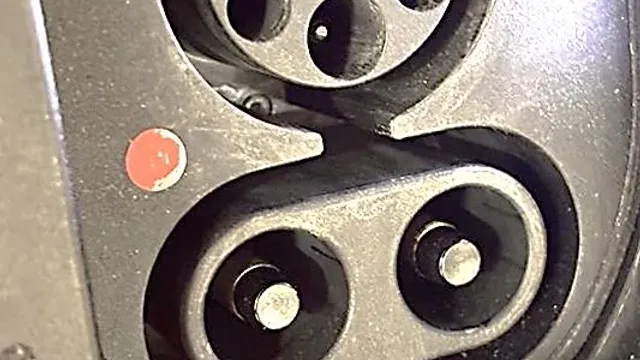
Hyundai Technical Service Bulletin 25-EV-003H details the replacement of missing Inlet 5-Pin Combo DC insulation caps in 2022-2025 Hyundai Ioniq 5, Ioniq 6, and Ioniq 5 N vehicles. This repair prevents potential damage to the charge port.
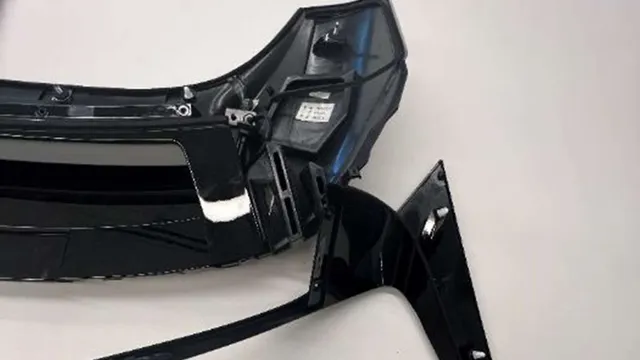
Hyundai has issued Technical Service Bulletin 24-BD-009H for 2022-2023 Ioniq 5 vehicles experiencing spoiler molding lifting or separation near the Center High Mount Stop Lamp. This TSB outlines the repair procedure and required parts for certified dealers.
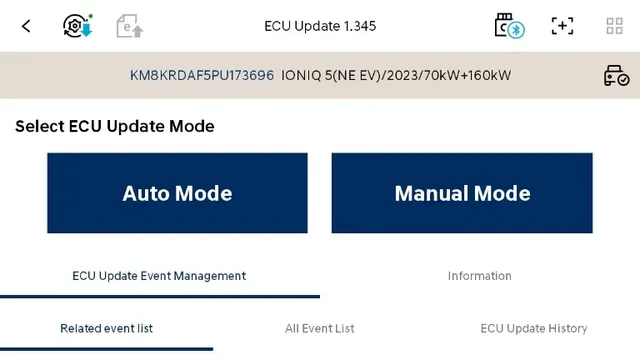
Hyundai service campaign 24-01-088H addresses a condition in 2022-2025 Ioniq 5 and Ioniq 6 vehicles where a low 12V battery voltage can trigger a 'fail-safe' mode. A VCU software update enhances limp home functionality, adjusting maximum speeds to prevent potential damage.
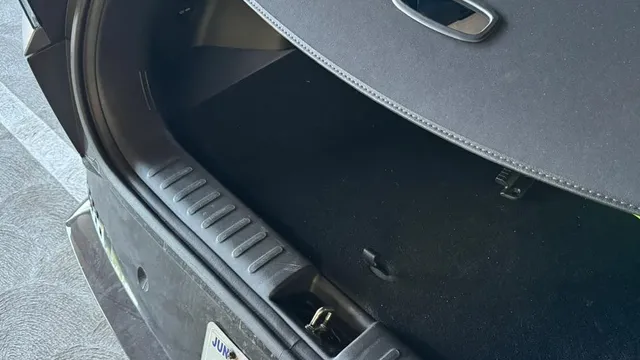
Hyundai has issued Technical Service Bulletin 24-BD-012H for 2022-2025 Ioniq 5 vehicles experiencing tailgate rattle and friction noises. The bulletin outlines a rework procedure involving guide bumper replacement and tailgate adjustment to resolve the issue.
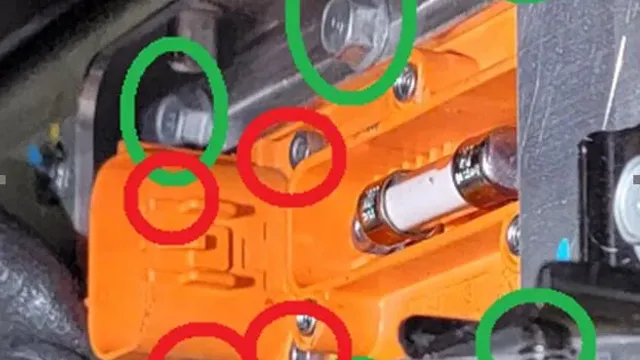
Hyundai Technical Service Bulletin 24-EV-004H provides critical instructions for repairing Integrated Charge Control Unit (ICCU) charging issues in 2022-2024 Ioniq 5 and Ioniq 6 vehicles. Addresses DTCs P1A9096 and P1B77 related to DC-to-DC charging and inoperative AC charging.
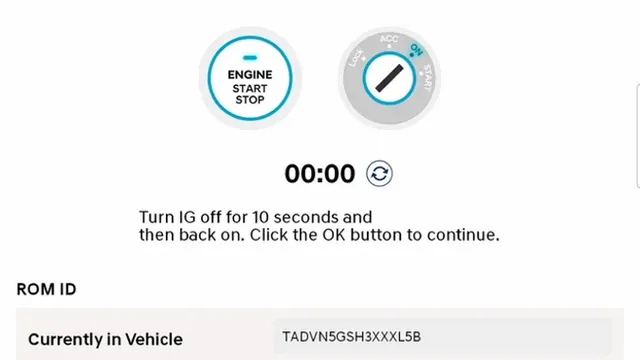
Hyundai Technical Service Bulletin 24-01-051H (Service Campaign 9B5) addresses a charging logic issue in certain 2022-2024 Hyundai Ioniq 5 and 2023-2024 Ioniq 6 vehicles. Owners may experience interrupted charging sessions or reduced charging speeds when using a 240V AC (Level 2) charger. A…
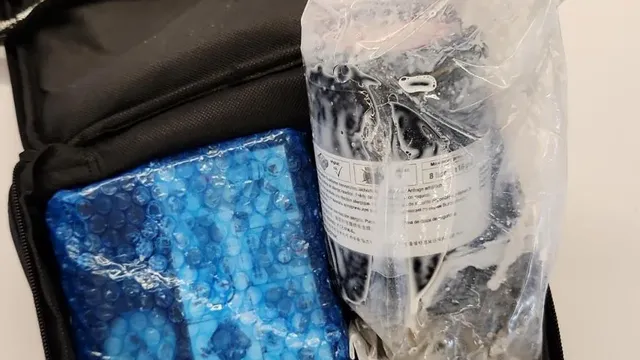
Hyundai has issued Technical Service Bulletin 24-01-019H for certain 2023-2024 Ioniq 5 vehicles regarding potential sealant leakage from the Tire Mobility Kit (TMK). This bulletin outlines inspection and replacement procedures to address the leakage and any contamination.
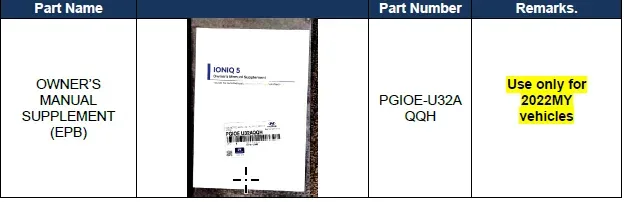
Hyundai's Service Campaign 9A1, detailed in TSB 23-01-067H-1, provides a Vehicle Control Unit (VCU) software update for 2022-2024 Ioniq 5 and Ioniq 6 electric vehicles. This update enhances several key systems, including regenerative braking, i-Pedal operation, Electronic Parking Brake (EPB)…
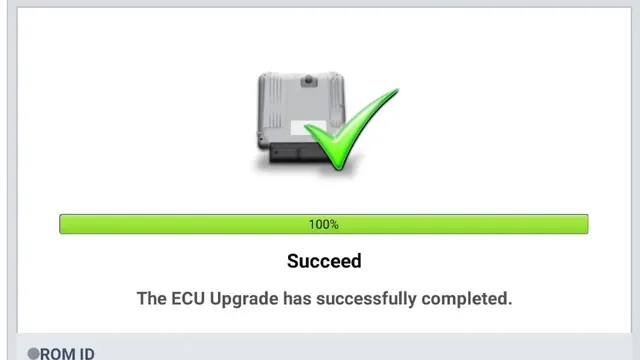
Hyundai Service Campaign 23-01-067H-1 provides a Vehicle Control Unit (VCU) software update for 2022-2023 Ioniq 5 and 2023 Ioniq 6 models. This update improves regenerative braking, i-Pedal, 12V battery saver logic, and other vehicle functions.
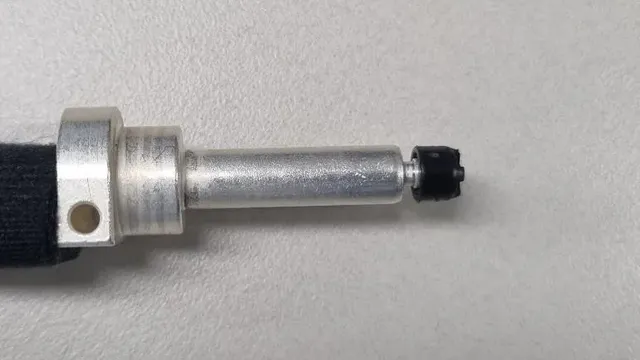
Hyundai Technical Service Bulletin 23-EV-006H details the inspection and replacement of EV charging port insulation caps for 2022-2023 Ioniq 5 and 2023 Ioniq 6 vehicles. This ensures proper charger connector orientation and fit.
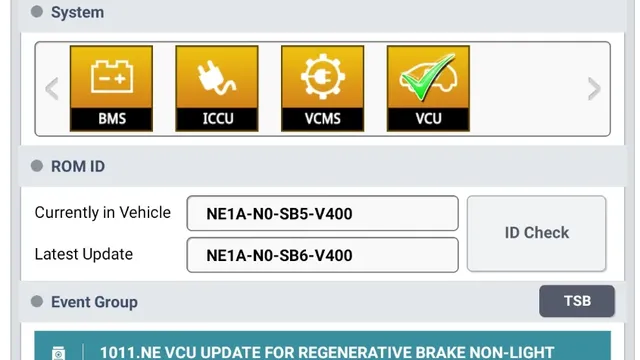
Hyundai has released Technical Service Bulletin 23-01-067H (Campaign 9A1) for 2022-2023 Ioniq 5 Electric vehicles, providing a Vehicle Control Unit (VCU) software update to enhance various functions including regenerative braking, i-Pedal, and Electronic Parking Brake operation.
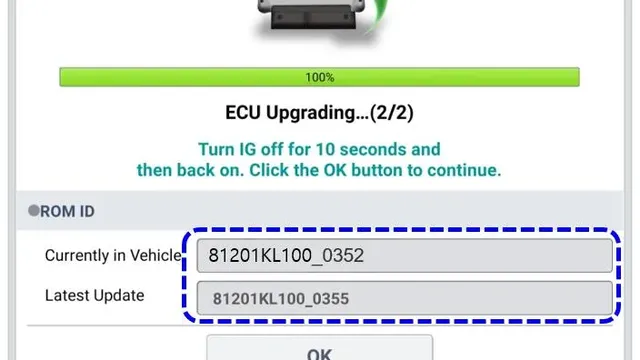
Hyundai Service Campaign 23-01-059H addresses a power tailgate latching issue in certain 2023 Ioniq 5 and Ioniq 6 models. Owners may experience a poorly closing tailgate or a liftgate warning chime. A software update to the Power Tailgate Module (PTGM) is available.
The contact owns a 2023 Hyundai Ioniq 5. The contact stated that while driving on the freeway, the vehicle shut off unexpectedly. The vehicle was coasted to the side of the road and parked. Moments later, the vehicle was restarted, and the vehicle drove normally. The contact stated that the failure had reoccurred on several occasions, and the vehicle was taken to the dealer each time, but the cause of the failure was not yet determined. The vehicle was not repaired. The manufacturer was notified of the failure. The failure mileage was 4,000.
No injuries · No fire · No crash
We are reporting a suspected thermal runaway incident involving our recently purchased used 2023 Hyundai Ioniq 5 and have significant concerns regarding the vehicle's safety. **Vehicle Information** * Purchased XXX, 36,662 miles * Clean inspection and no accidents per Carfax **Incident Timeline – XXX** Between 6:00 and 6:30 PM, while traveling northbound on [XXX] just past the [XXX] exit in [XXX], the vehicle struck a white piece of road debris that appeared flat, similar to Styrofoam (video available). There was no immediate loss of vehicle function. [XXX] The vehicle was then moved to the driveway for inspection after a low coolant warning appeared. Damage to the underside near the driver's side and observed blue coolant leaking from the area. The coolant reservoir under the hood was empty. Based on online guidance advising against driving a vehicle with a coolant leak, we decided to leave the vehicle parked in our garage overnight and arrange a flatbed tow to a Hyundai dealership the following day. The garage door was closed, and the vehicle was **not charging**. At approximately 8:10 PM, a burning smell was detected inside the home. Upon opening the door between the house and garage, smoke was observed. The family immediately evacuated, and XXX was called at 8:12 PM. The fire department arrived at approximately 8:18 PM and found the garage filled with smoke. At 8:30 PM, firefighters removed the vehicle from the garage. At 8:35 PM, flames were observed beneath the vehicle. Firefighters applied water directly to the fire until 11:00 PM, after which the vehicle was removed. [XXX] [XXX] [XXX] Manufacturer was contacted; denies any liability due to debris. However, we believe inadequate safety design contributed, including soft protection shield and poor location of coolant. INFORMATION REDACTED PURSUANT TO THE FREEDOM OF INFORMATION ACT (FOIA), 5 U.S.C. 552(B)(6)
The ICCU malfunctioned. Safety impaired because it likely impacted the ADAS, which concurrently failed. Yes, the problem has been inspected and confirmed by a dealer.
No injuries · No fire · No crash
There is a yellow air bag (SRS) safety restraint critical wire harness underneath the seats and it's loose and hanging down touching the floor with lots of slack, very easy for a water bottle or any object to roll under there and pull it loose, which would disable a critical passenger safety system. This issue is reported by many drivers including myself, photos attached are from multiple people's experiences with this issue.
No injuries · No fire · No crash
The vehicle repeatedly displays a "Stop Vehicle and Check Brake System" warning together with an ABS warning, accompanied by a loss of normal braking response. On XXX, while driving at approximately 60 mph on I-85 northbound near Exit XXX in [XXX], the warnings appeared and the brakes did not respond normally. I was maintaining a substantial following distance, and the braking system restored itself before I reached the point of needing to brake hard, so no crash or injury occurred. Had hard braking been required in that window, I do not believe the vehicle would have stopped as commanded. This is a recurring fault. The vehicle, purchased certified pre-owned and still under the Hyundai factory warranty, has been taken to the dealer (Ed Voyles Hyundai, [XXX]) three times for the same condition. On the first visit the Integrated Electronic Brake (IEB) unit was replaced; on the second, the Smart Junction Box was replaced; on the third, the dealer removed an aftermarket tracking device wired to the data link connector and referenced Hyundai TSB 24-GI-011H, representing the problem as corrected. The braking-loss event on XXX occurred after that repair. The vehicle has been out of service approximately 30 days total. Because the failure is an intermittent loss of braking response at highway speed, I consider it a serious safety hazard and no longer drive the vehicle. INFORMATION REDACTED PURSUANT TO THE FREEDOM OF INFORMATION ACT (FOIA), 5 U.S.C. 552(B)(6)
No injuries · No fire · No crash