SERVICE BRAKES, UNKNOWN OR OTHER, AIR BAGS
Mileage at time of incident: Approximately 4,000 miles Date of incident: XXX Location: [XXX] Incident description: My vehicle was in neutral while going through an automatic car wash, as instructed. When the exit signal indicated it was clear to proceed, with my foot on the brake, I shifted into drive. The vehicle accelerated on its own, without corresponding accelerator pedal input, and struck the building adjacent to the car wash. The vehicle did not exit the building on its own, so I shifted into reverse. The vehicle again accelerated on its own and struck a structural beam. I applied continuous pressure to the brake pedal throughout the incident. The vehicle did not respond immediately, but the brakes eventually engaged and brought the vehicle to a stop. The vehicle's rear obstacle-detection and automatic braking sensors, which normally engage under similar low-speed reversing conditions, did not activate at any point during this incident. The airbags also did not deploy after the vehicle struck the building. Video footage of the incident shows the vehicle moving at low speed with no visible braking response until the vehicle came to a stop. Police and fire department personnel responded to the scene. No injuries were reported. Property damage occurred to a vinyl fence, an adjacent building, and an interior wall of a business inside that building. I requested that the vehicle's Event Data Recorder (EDR) be reviewed by the dealership/manufacturer prior to any repairs, to determine throttle position, brake switch status, and sensor activity at the time of the incident. As of this report, Audi sent an engineer to inspect the vehicle on XXX and has since provided me with a rental car. I am still awaiting the results of that inspection. Components involved: Engine/motor, electronic throttle control, service brakes, parking assist/sensors, forward collision/automatic braking system I am filing this report because I was genuinely afraid for my safety INFORMATION REDACTED PURSUANT TO THE FREEDOM OF INFORMATION ACT (
ELECTRICAL SYSTEM, VEHICLE SPEED CONTROL, LANE DEPARTURE: BLIND SPOT DETECTION
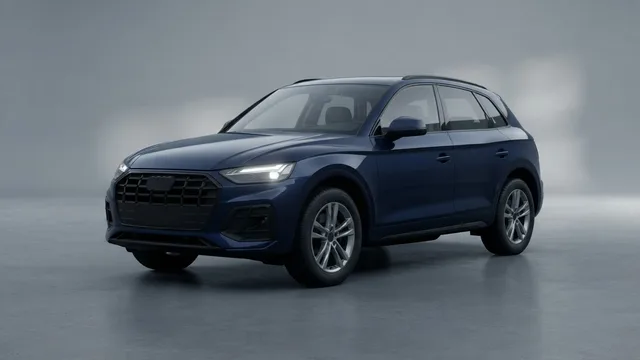
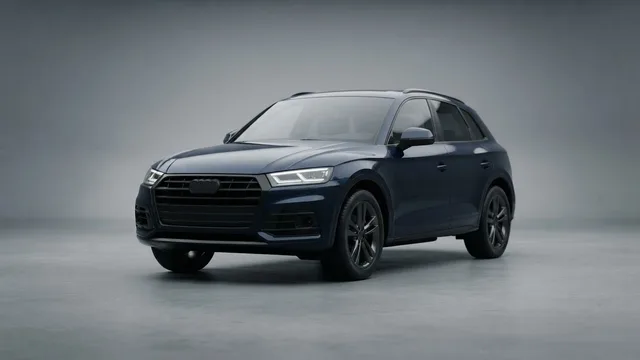
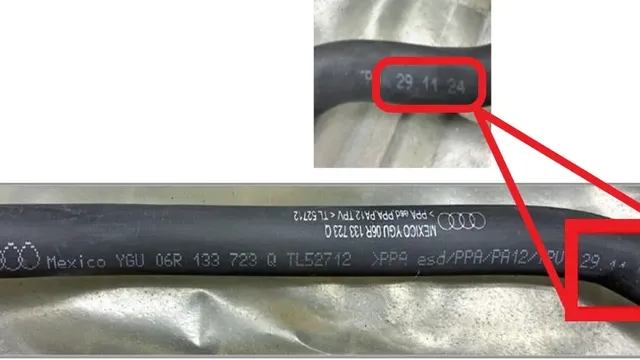
NHTSA Vehicle Safety Complaint – 2022 Audi Q5 I am reporting a potential safety defect involving water intrusion through the panoramic-roof drainage system of a 2022 Audi Q5 and resulting damage to the vehicle's electrical system. The vehicle was purchased with a rebuilt title at approximately 8,000 miles following minor dents/scratches and was fully operational. We drove approximately 23,000 additional miles without water-intrusion or electrical problems. Following heavy rainfall, water entered the vehicle and reached the comfort module, wiring and connectors, causing corrosion and extensive electrical damage. While driving, the vehicle began stalling and its lights/electronics started flashing. After we stopped, it would not start again. Audi estimated approximately $12,000 to repair the vehicle by replacing the comfort module/connectors and cutting and splicing the affected wiring harness to new connectors. Our insurer, Progressive, considers this a safety concern because the affected wiring harness connects with other vehicle systems and recommends replacement of the entire harness rather than splicing it. Audi TSB 2075969/2 addresses water intrusion in 2018–2023 Q5/SQ5 vehicles and states that panoramic-roof drain hoses may become kinked during headliner installation, blocking drainage and allowing water into the vehicle. Audi also issued Safety Recall 90S9/NHTSA 21V-947 concerning liquid reaching the gateway control module in 2018–2022 Q5/SQ5 vehicles, recognizing that water-related electrical failure can cause reduced engine power and increase crash risk. Our vehicle experienced an electrical malfunction while driving after water intrusion. I request that NHTSA investigate whether this known Q5 panoramic-roof drainage defect presents a safety defect requiring recall action. The vehicle is preserved and available for inspection.
ELECTRICAL SYSTEM, POWER TRAIN
On 8/3/26, my 2021 Audi Q5 began throwing numerous different malfunction/error alerts and the engine turned off while driving after a bottle of water had partially spilled onto our backseat behind the drivers side. The vehicle was towed to a nearby mechanic who determined that liquid damaged the gateway control module located under the backseat of the vehicle, as the gateway control module is placed in a "protective cover" (an unsealed plastic bag) and that bag visibly had liquid inside of it. We had immediately contacted Audi upon learning of this issue and decided not to move forward with any repairs, but to instead pay out of pocket to have it towed 70 miles to Audi/where we originally purchased the vehicle. This "protective cover" the control module was placed inside was completed as a recall service repair on our vehicle in April of 2022 due to a NHTSA recall announced in December 2021 regarding safety issues in these control modules failing from liquid spills on the backseat. We contacted Audi, explained that liquid had spilled in our backseat and entered the "protective cover" and damaged the control module. They agreed to inspect our vehicle to determine if the "protective cover" had been insufficiently installed. We paid out of pocket to have it towed to the dealership where it took them 6 days to determine the gateway control module is damaged (we had already explained this to them). Although liquid was found in the "protective cover" of this gateway control module, the dealership claims it was installed sufficiently. Upon looking into this matter further, there are numerous complaints of this exact issue (water entering and damaging the gateway control module from a liquid spill on the backseat, even with the "protective cover") on the NHTSA website, as well as a previous class action lawsuit settled out of court in regards to this EXACT issue. THE PRIOR RECALL REPAIR DOES NOT FIX THE SAFETY HAZARD AS STATED IN THE OFFICIAL NHTSA RECALL REPORT.
LANE DEPARTURE: ASSIST, LANE DEPARTURE: WARNING, FORWARD COLLISION AVOIDANCE: AUTOMATIC EMERGENCY BRAKING
Vehicle had 2000 miles on it when warning messages of Distance warning unavailable and Audi pre sense limited with beeping signal sounding every few miles. The dealership confirmed the issue but only blamed a dirty sensor for the issue.The problem persisted even with cleaned sensor for another 6 thousand miles of driving after which I got an active lane malfunction warning. Since then all the warning messages and beeping stopped, but also the pre sense, and lane monitoring no longer work. Paid extra money for these extra safety features but they are not working.
FORWARD COLLISION AVOIDANCE: ADAPTIVE CRUISE CONTROL, FORWARD COLLISION AVOIDANCE: WARNINGS, LANE DEPARTURE: ASSIST
The vehicle has experienced intermittent failures of multiple advanced driver-assistance systems beginning at approximately 150 miles. Warning messages have included Adaptive Cruise Control Not Available, Distance Warning Not Available, and Pre-Sense Malfunction. These failures disable or make unavailable systems intended to maintain following distance and warn or intervene for potential forward collisions. The warnings have occurred while the vehicle was being driven and create uncertainty about whether the safety systems will function when needed. An authorized Audi dealer first verified driver-assistance concerns during an April-May 2026 repair visit, found multiple stored faults, opened a technical assistance case, and documented active/static faults involving the front driver-assistance camera and related control modules. The problems recurred. On August 10, 2026, at approximately 1,670 miles, the authorized dealer duplicated the Distance Warning illumination and ACC unavailable condition, searched for service bulletins, opened another technical assistance case, performed a capacitor discharge, and ran replacement test plans for the A5 and 0075 control modules. Video of the warnings was provided to the dealer. No crash, fire, or injury has occurred. The vehicle and repair records are available for inspection.