STEERING, ELECTRICAL SYSTEM, STRUCTURE:BODY
SAFETY DEFECT SUPPLEMENT TO NHTSA COMPLAINT #11685540 | VIN: [XXX] | MILEAGE: 27,370 This filing supplements Complaint #XXX regarding an uncorrected, compounded steering safety failure following the catastrophic detachment of the steering column while driving on XXX (Repair Order #XXX). COMPONENTS FAILED: Steering column assembly, footwell closeout shield, dashboard lower crash pad structural frame, and push-start switch. All components and vehicle are available for immediate inspection. SAFETY RISK: Following an invasive warranty teardown for an ignition switch failure under R/O #XXX at [XXX] Hyundai, the vehicle was released in an incomplete, hazardous condition. The factory lower footwell closeout shield was completely omitted, leaving the rotating intermediate steering shaft, universal joint, electric power steering motor, brake clevis linkage, and wiring harness fully exposed directly above driver foot controls. This creates a severe entrapment and mechanical binding hazard. An unauthorized exterior screw was drilled directly through the finished lower crash pad trim to pinch broken internal plastic tabs together, and hardware was left rattling inside the column housing. DEALER CONFIRMATION & RECORD FALSIFICATION: Management dismissed the exposed shaft. On R/O #XXX Line 3, the dealership falsified the narrative as "customer needs screws put in behind steering wheel" under an engine line to conceal shop rework. Authorized remedy has completely failed. INFORMATION REDACTED PURSUANT TO THE FREEDOM OF INFORMATION ACT (FOIA), 5 U.S.C. 552(B)(6)
POWER TRAIN
The vehicle was already running and in Drive. When I pressed the accelerator pedal to accelerate further, the vehicle would not accelerate. The RPMs did not increase and vehicle did not respond. No warning lights appeared. I had to press hazard lights coast to shoulder and turn vehicle off and on to regain power]. This created a hazardous situation as traffic was behind me and could not anticipate my sudden loss of speed. We just got this vehicle on October 1, 2026 and vehicle has been maintained per schedule. This was the first time it happened. I am concerned this is related to recall affecting 2023 Tucson models, and request investigation as this is a safety defect that can occur without warning at highway speed.
UNKNOWN OR OTHER
Horn in vehicle stopped working it’s been 3 weeks and dealer can’t get parts. I feel it’s unsafe driving without ihaving access no horn especially around school.
FUEL/PROPULSION SYSTEM
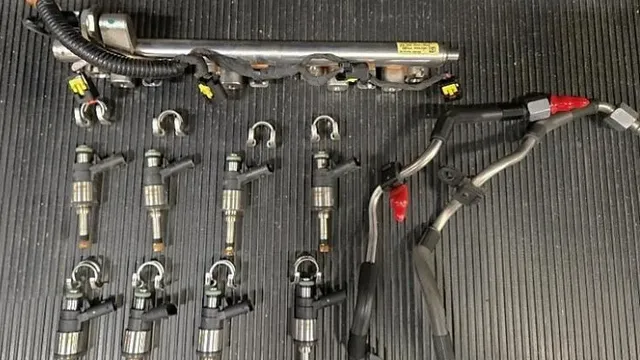
2023 Hyundai Tucson Limited, 2.5L GDI, Alabama-built (VIN 5NMXXXXXXXXXXXXXX), built [XXX]. On [XXX], at about 37,550 miles, the check engine light came on flashing and the engine ran rough while I was traveling in Canada. My scan tool showed P0300, P0302 and P0304 (misfires on cylinders 2 and 4). On July 6, 2026, Experience Hyundai in Charlottetown, PE (service order 92XXX) replaced one ignition coil under warranty. No fuel injector leak test was performed. The misfires returned. On [XXX], at 39,409 miles, my scan showed P0302 active and P0304 pending. The car also had extended cranking after sitting and the check engine light was on. I was told I could keep driving the car unless it started to jerk or engine light started to flash, then immediately stop driving it and have it towed. On September 25, 2026, the car was towed to McGovern Hyundai Route 2, Leominster, MA (invoice 148XXX). The dealer found all 4 fuel injectors leaking and replaced them under warranty with injector service kit 35399-2S133QQH. My vehicle is outside the production range of Hyundai TSBs 23-FL-002H-1 and 26-FL-001H, which cover this injector failure only for Alabama-built Tucsons produced through July 11, 2022. Yet it failed in the same way. I am concerned the defect extends beyond the bulletin dates and that a sudden misfire could cause loss of power in traffic. There is no recall for this condition. The dealer found all 4 fuel injectors leaking, even though only cylinders 2 and 4 had set misfire codes and replaced them under warranty with injector service kit 35399-2S133QQH. INFORMATION REDACTED PURSUANT TO THE FREEDOM OF INFORMATION ACT (FOIA), 5 U.S.C. 552(B)(6)
UNKNOWN OR OTHER
There was/is a recall #290 on the tow hitch harness. There was a concern of a fire risk. Hyundai’s remedy was to cut the harness making the tow hitch unusable. This has been since March. The NHTSA is not putting any pressure on Hyundai to replace the harness. The nHTSA doesn’t acknowledge that this recall is still open. All consumers like me who purchased this option can not use it due to the NHTSA recall. How can I get this issue addressed and resolved. It seams like no one is interested in addressing this problem