2022-2026 Audi Brake Vibrations TSB 2075120/2
Audi Technical Service Bulletin 2075120/2 addresses brake vibrations and judder across 2022-2026 Audi models. Learn about common causes such as brake disc corrosion, thermal load, and wheel imbalance, and what symptoms to look for if your Audi is experiencing these issues.
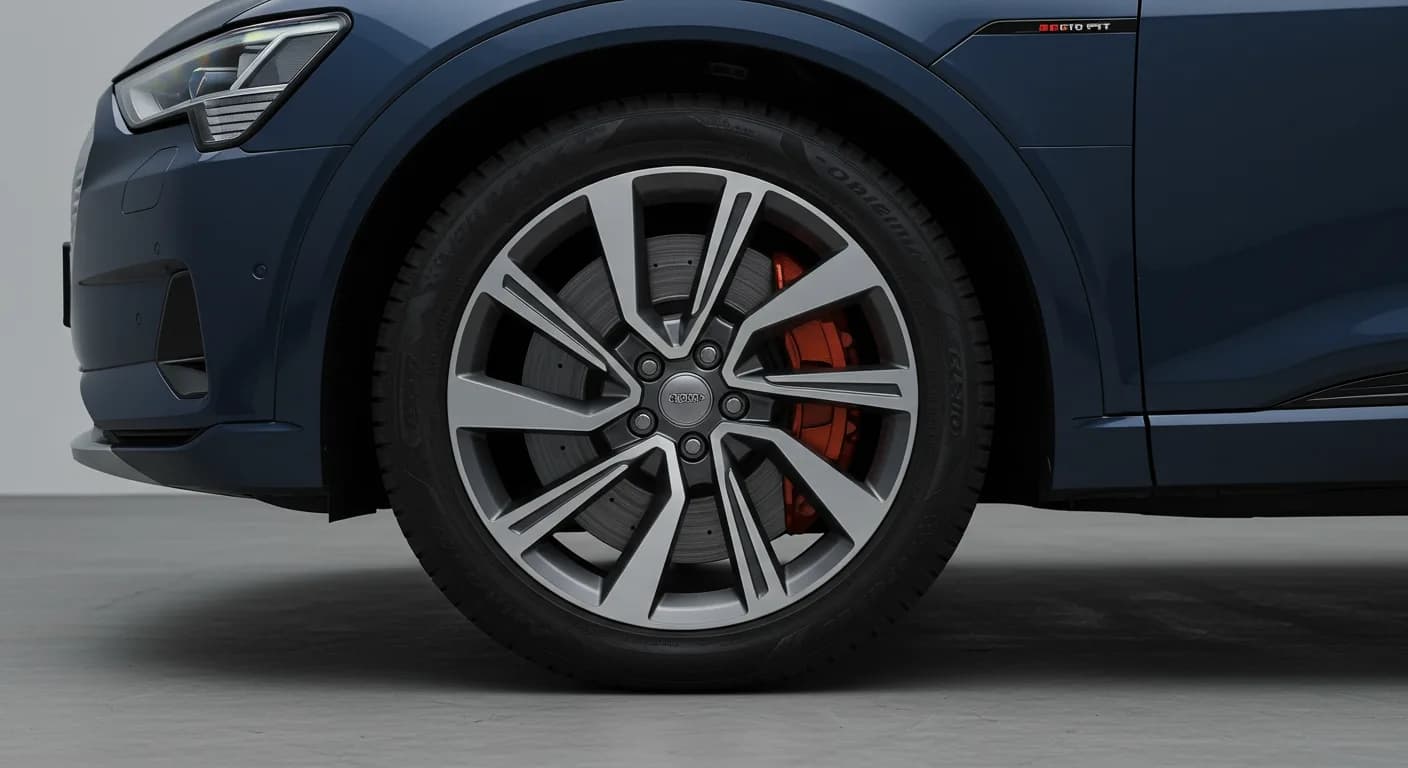
 Ahmet Topcu2022 Audi e-tron
También aplica a
- Audi A3
- 2022–2026
- Audi A4
- 2021–2025
- Audi A4 allroad
- 2021–2025
- Audi A5
- 2021–2024
- Audi A6
- 2021–2025
- Audi A6 allroad
- 2021–2026
- Audi A7
- 2021–2025
- Audi A7 e
- 2021–2022
- Audi A8 L e
- 2021
- Audi e-tron
- 2021, 2023
- Audi e-tron GT
- 2022–2026
- Audi e-tron Sportback
- 2021–2022
- Audi Q3
- 2021–2025
- Audi Q5
- 2021–2025
- Audi Q5 e
- 2021, 2023, 2024, 2025
- Audi Q7
- 2021–2026
- Audi Q8
- 2021–2026
- Audi R8
- 2021–2023
- Audi RS 3
- 2022–2026
- Audi RS 5
- 2021–2024
- Audi RS 6 Avant
- 2021–2026
- Audi RS 7
- 2021–2026
- Audi RS e-tron GT
- 2022, 2023, 2024, 2026
- Audi RS Q8
- 2021–2026
- Audi S e-tron GT
- 2026
- Audi S3
- 2022–2026
- Audi S4
- 2021–2025
- Audi S5
- 2021–2024
- Audi S6
- 2021–2025
- Audi S7
- 2021–2025
- Audi S8
- 2021–2026
- Audi SQ5
- 2021–2025
- Audi SQ7
- 2021–2026
- Audi SQ8
- 2021–2026
- Audi TT
- 2021–2023
- Audi TT RS
- 2021–2022
- Audi TTS
- 2021–2023
▸ Mostrar 31 más▾ Mostrar menos
Audi has released Technical Service Bulletin (TSB) 2075120/2 to provide a comprehensive approach for diagnosing and addressing brake vibrations across various Audi models from 2022 to 2026. This TSB outlines common causes for brake judder and vibrations, helping technicians accurately identify and resolve the issue.
Symptoms
Owners may notice a range of symptoms indicating brake vibrations or judder. These can manifest as:
- Noise and Vibrations: General noises and vibrations originating from the vehicle's front area.
- Pulsating Brakes: A pulsating sensation through the foot brake pedal.
- Rubbing Noises: Rubbing sounds from the brakes during operation.
- Vibrating Vehicle: The entire vehicle vibrating, particularly noticeable when braking.
- Buzzing Noises: Buzzing sounds associated with brake regulation.
- Steering Wheel Vibrations: Vibrations felt through the steering wheel, potentially indicating issues with steering assist or front vehicle areas.
Diagnosis / Trigger Conditions
Brake judder and vibrations, whether from the front or rear axle, can stem from multiple factors, including driving style, brake disc temperature, and environmental conditions. Audi's TSB 2075120/2 identifies several specific criteria that can lead to these vibrations:
- Brake Disc Corrosion: The presence of corrosion on the brake disc itself.
- Corrosion Marks: Marks on the brake disc caused by sticking (corroded) brake pads.
- Thermal Deposits: Deposits on the brake disc resulting from high thermal load.
- Worn Brake Pads: Droning noises due to reduced damping characteristics if brake pads are excessively worn.
- High Thermal Load: Evidence of very high thermal load on the brakes, such as blue tempering or heat marks on the discs.
- Brake Disc/Wheel Hub Runout: Deviations in the axial or lateral runout of the brake disc or wheel hub. These measurements should be checked against specified limits in the repair manual.
- Thickness Variations: Variations in brake disc thickness that develop after a certain mileage, which might not be detectable with standard workshop measuring methods.
- Wheel Imbalance/Run-out: Imbalance or radial run-out of the wheels can significantly increase rubbing or cause body vibrations during braking.
- Running Gear Changes: Modifications to the running gear, such as a wider track, can also contribute to vibrations.
Repair Procedure Summary
To address Audi e-tron brake vibrations and similar issues in other models, a test drive is crucial to confirm the customer complaint. Once confirmed, technicians should follow the diagnostic flow chart provided in the TSB's appendix to pinpoint the exact cause. The TSB emphasizes that with proper information, identifying the root cause and performing the necessary repair should be straightforward.
For any repairs carried out under warranty, it is essential to document the cause of the complaint and all measured values. Audi notes that for irregularities with mileage exceeding 18,000 miles, the issue is often attributed to customer usage patterns rather than fundamental component quality.
Owner Action
If your Audi is exhibiting symptoms of brake vibrations or judder, it is recommended to schedule an appointment with an authorized Audi service center. Describe the symptoms in detail to help technicians diagnose the problem effectively. The service center will perform a test drive and follow the TSB's diagnostic procedures to identify and correct the underlying cause of the Audi e-tron brake vibrations or other Audi model brake issues.
Frequently Asked Questions
- What are the common causes of brake vibrations in Audi vehicles?
- According to Audi TSB 2075120/2, common causes include brake disc corrosion, thermal deposits on the discs, excessively worn brake pads, deviations in brake disc or wheel hub runout, thickness variations in brake discs, and wheel imbalance.
- How does Audi TSB 2075120/2 help diagnose brake judder?
- TSB 2075120/2 provides a general approach for diagnosing brake vibrations by outlining various potential causes and requiring a test drive to confirm symptoms. Technicians are instructed to follow a specific diagnostic flow chart to identify the root cause.
- Will my Audi's brake vibration repair be covered under warranty?
- Audi TSB 2075120/2 states that while the bulletin helps identify the cause, direct billing for parts and repair via this TSB is not justified. If a repair is performed under warranty, detailed documentation of the cause is required. For vehicles over 18,000 miles, irregularities are often attributed to customer usage rather than component quality.
- What should I do if I experience Audi e-tron brake vibrations?
- If you experience brake vibrations in your Audi e-tron or any other affected Audi model, you should contact an authorized Audi service center. They will perform a diagnostic test drive and follow the procedures outlined in TSB 2075120/2 to accurately diagnose and repair the issue.
Related Articles
2022 Audi e-tron Electrical System Problems: Complaints & TSBs
Owners of the 2022 Audi e-tron frequently report significant electrical system malfunctions, ranging from sudden power loss and charging hazards to software crashes. Braking issues and unexpected automatic emergency braking are also common concerns, alongside numerous technical service bulletins…
2022-2026 Audi Guided Fault Finding Reporting Obligation
Audi has issued Technical Service Bulletin TPI 2033392, also known as Transaction No. 2081531/1, regarding a reporting obligation for technicians when Guided Fault Finding produces an unexpected result. This TSB outlines the process for contacting Audi Product Support for diagnostic assistance.
2022-2026 Audi Infotainment System Complaints
Audi has released Technical Service Bulletin (TSB) 2081405/1 to address various customer complaints regarding infotainment systems in 2022-2026 Audi vehicles. This TSB helps technicians diagnose issues often caused by external media or mobile devices, rather than vehicle technology.
2018-2026 Audi Models Cracking Noise TSB 2061464/11
Audi Technical Service Bulletin 2061464/11 describes a cracking noise from the front or rear axle when changing direction in various 2018-2026 Audi models. The issue is due to stub axle movement and is resolved by bonding the stub axle to the wheel bearing with locking fluid.
2022-2026 Audi Parking Aid False Warnings TSB 2024323/13
Audi has released Technical Service Bulletin 2024323/13 to address customer complaints of false parking aid warnings. This bulletin details various environmental and vehicle-specific conditions that can cause the parking aid system to issue alerts even when no obstacles are present. It provides…
Leave a comment
Comments are moderated and may take a moment to appear. Only your first name and the initial of your last name are shown publicly.
Comments
Be the first to comment.