2024-2025 Jeep/RAM TPMS Light On Dash TSB S2522000002
This manufacturer communication (S2522000002) addresses instances where the Tire Pressure Monitoring System (TPMS) light illuminates on the dash of 2024-2025 Jeep and RAM vehicles. It often occurs after aftermarket wheel or tire installations due to incorrectly oriented or replaced sensors.
 Ahmet Topcu2024 Jeep Wrangler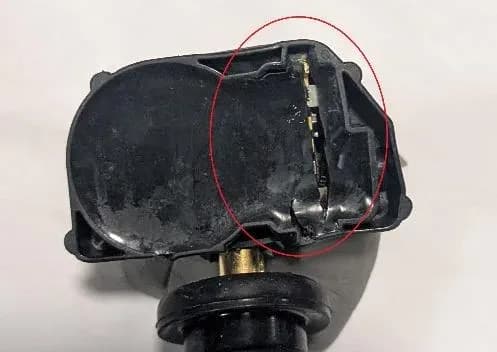
Also applies to
- Jeep Gladiator
- 2024–2025
- Jeep Grand Cherokee
- 2024–2025
- Jeep Grand Cherokee L
- 2024–2025
- Jeep Grand Wagoneer
- 2024–2025
- Jeep Wagoneer
- 2024–2025
- Jeep Wrangler
- 2025
- Ram 1500
- 2024–2025
- Ram 2500
- 2024–2025
- Ram 3500
- 2024–2025
- Ram 4500
- 2024–2025
- Ram 5500
- 2024–2025
▸ Show 5 more▾ Show fewer
The Tire Pressure Monitoring System (TPMS) light illuminating on the dashboard is a common concern for owners of 2024-2025 Jeep and RAM vehicles. This issue, described in Manufacturer Communication S2522000002, frequently arises after aftermarket wheels or tires have been installed. The primary culprits identified are incorrect sensor orientation or the use of unverified replacement sensors.
Symptoms
Owners will typically observe the "TPMS Lights On Dash" warning. This indicates a potential problem with one or more tire pressure sensors, which are crucial for monitoring tire inflation and ensuring safe driving conditions. When the TPMS light is on, it means the system has detected an anomaly that requires attention.
Diagnosis and Trigger Conditions
Technicians have noted that the Tire Pressure Monitoring System (TPMS) issues often surface after a vehicle has had aftermarket wheels or tires installed. The problem can stem from several factors:
- Aftermarket Installations: The presence of non-OEM wheels or tires is a key indicator.
- Incorrect Sensor Orientation: Sensors might be mounted improperly, such as being reversed or rotated 180 degrees, which can hinder their ability to communicate correctly.
- Unverified Sensor Replacement: If original TPMS sensors were replaced with non-OEM or incompatible units, or if the replacement process was not followed correctly, it can lead to system malfunctions.
- Communication Issues: Incorrect sensor positioning can interfere with the RKE Mopar tool's communication and affect the vehicle's dynamic performance.
Repair Procedure Summary
To address the "Jeep Wrangler TPMS light" issue and resolve the "TPMS Lights On Dash" warning, technicians follow a structured diagnostic and repair process outlined in Manufacturer Communication S2522000002:
Inspect Vehicle for Aftermarket Wheels: The first step involves checking if aftermarket wheels or tires have been installed. Technicians will also determine if the original TPMS sensors were reused or replaced. They verify if the sensors respond to a TPM/RKE diagnostic tool. If sensors respond, their IDs are recorded and checked against the RFH-programmed IDs to ensure they match.
Remove the Tire and Inspect the Sensor: The tire is dismounted to allow for a visual inspection of the TPMS sensor. It's critical to confirm that the sensor is securely mounted and oriented correctly, not reversed or rotated 180 degrees. Figures in the communication illustrate the correct orientation markings and proper sensor positioning with markings facing upward. Incorrect positioning can lead to communication problems and improper dynamic performance.
Verify Sensor Identity: Technicians confirm that the sensor is an OEM part. A TPMS scan tool is used to verify that the sensor is active and transmitting a valid ID. If the sensor is incorrectly oriented, it is carefully removed and reinstalled according to approved service procedures to avoid damage. The position of the sensor is documented.
Reprogram Sensor IDs: If sensors were replaced or repositioned, they must be properly reprogrammed using the correct vehicle profile. This step ensures the vehicle's system recognizes the sensors and their unique IDs.
Confirm Dash Display Functionality: After installation and programming, technicians verify that all tire pressure readings appear correctly on the vehicle's dashboard display. This confirms that the system is now receiving and interpreting sensor data accurately.
Drive Confirmation: A final test drive of 10-15 minutes at speeds above 15 mph is performed. During and after this drive, technicians confirm that all tire pressure values are displayed correctly on the dash, ensuring the system is functioning as intended.
Important Notes for Owners
It is crucial for owners to understand that this manufacturer communication, S2522000002, does not authorize warranty repairs. This document serves as a record of past experiences and provides guidance for technicians. It does not provide conclusions about what is wrong with a specific vehicle but rather captures similar cases. The technician is responsible for determining the appropriate course of action for your specific vehicle's condition.
NHTSA ID: 11022567
Gallery
5 images
Frequently Asked Questions
- What does the "TPMS Lights On Dash" warning mean?
- The "TPMS Lights On Dash" warning indicates that your vehicle's Tire Pressure Monitoring System has detected an issue with one or more tire pressure sensors, which could be related to tire inflation or sensor malfunction.
- Can aftermarket wheels cause the TPMS light to come on?
- Yes, according to Manufacturer Communication S2522000002, aftermarket wheel or tire installations are a common cause for the TPMS light to illuminate, often due to incorrect sensor orientation or the use of unverified replacement sensors.
- How is the TPMS light issue resolved according to TSB S2522000002?
- Resolution involves inspecting for aftermarket parts, visually checking sensor orientation and security, verifying the sensor's identity and activity with a TPMS scan tool, reprogramming sensor IDs if necessary, confirming dash display functionality, and performing a test drive.
- Will this TPMS repair be covered under warranty?
- Manufacturer Communication S2522000002 explicitly states that it does not authorize warranty repairs. Owners should discuss potential costs and coverage with their dealership or service center.
Related Articles
2024 Jeep Wrangler Problems: Recalls, Complaints & TSBs
The 2024 Jeep Wrangler has faced four safety recalls, primarily concerning exterior lighting and airbag deployment. While no owner complaints or federal investigations have been reported, twenty manufacturer service bulletins address various issues from engine performance and electrical glitches…
2024-2026 Jeep, Ram, Dodge Cylinder Head Bolt Inspection
Mopar has issued a Quality Inspection Request (QIR) concerning cylinder head cover bolts, part number 04893799AJ, for various 2024-2026 Jeep, Ram, and Dodge models. Dealers are instructed to identify and quarantine suspect bolts with a chamfered flange.
2024 Jeep Wrangler PCM Update for Misfire & O2 Sensor DTCs
A Technical Service Bulletin (TSB 18-003-26 REV. A) has been issued for the 2024 Jeep Wrangler to address various engine performance issues, including misfires, rough idle, and O2 sensor fault codes. This update involves reprogramming the Powertrain Control Module (PCM).
2021-2026 Jeep Wrangler / Gladiator Wind Noise TSB S2623000018
This technical service bulletin, S2623000018, addresses "Wind Noise From Hard Top Freedom Panels Near Rear View Mirror While Driving" in 2021-2026 Jeep Wrangler and Gladiator models, detailing a diagnostic and repair procedure involving the header seal.
2024 Jeep Wrangler Heated Steering Wheel Not Working TSB
If your 2024 Jeep Wrangler's heated steering wheel isn't working or isn't warm enough, Technical Service Bulletin (TSB) 08-121-26 from Stellantis outlines a software update for the Comfort Seat Wheel Module (CSWM) to resolve the issue.
Leave a comment
Comments are moderated and may take a moment to appear. Only your first name and the initial of your last name are shown publicly.
Comments
Be the first to comment.