2021-2025 Jeep Wrangler & Gladiator Steering Shimmy TSB 9100491
This manufacturer communication (TSB 9100491) for 2021-2025 Jeep Wrangler and Gladiator models provides guidance on diagnosing steering shimmy and ball joint looseness. It emphasizes proper diagnostic procedures and warns against unnecessary replacement of drag links and tie rods.
 Sarah Mitchell2021 Jeep Wrangler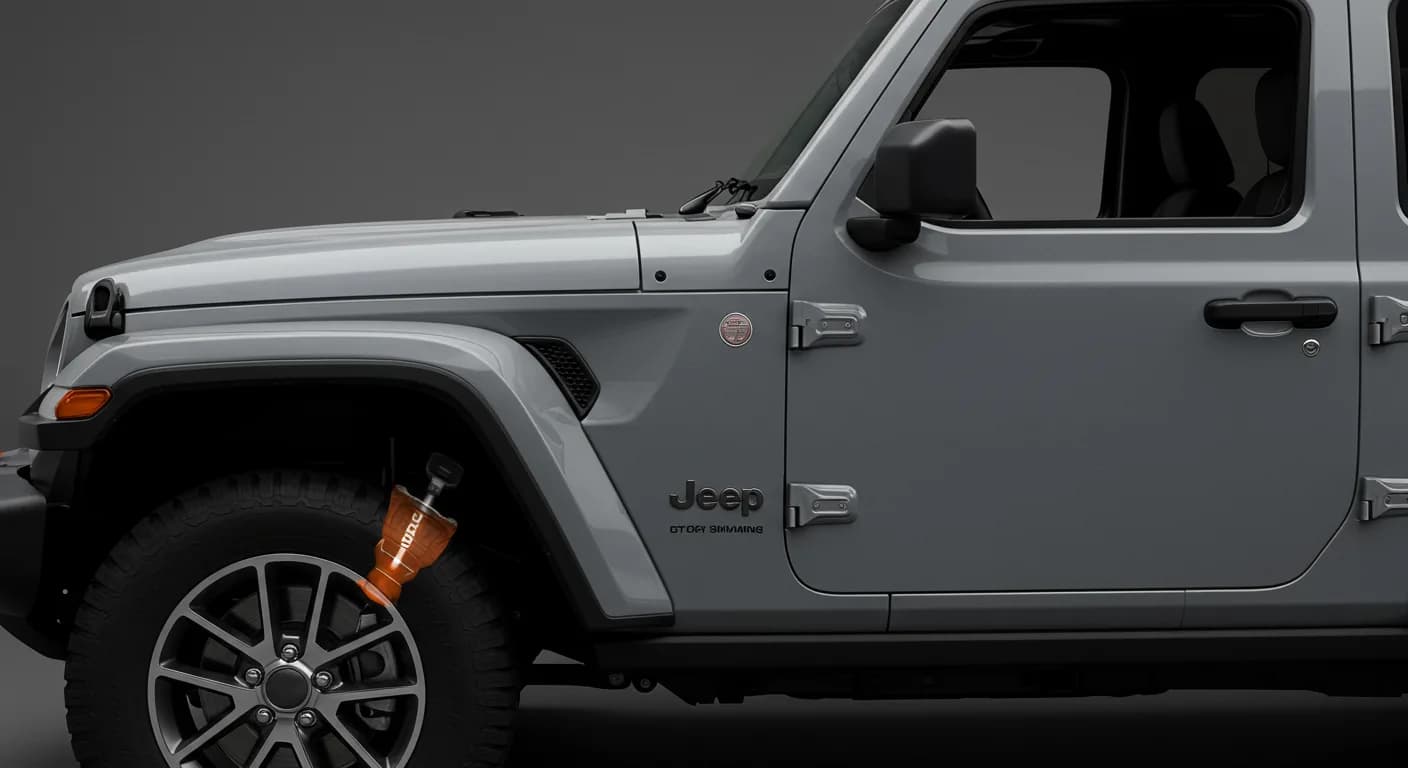
Also applies to
- Jeep Gladiator
- 2021–2025
- Jeep Wrangler
- 2022–2025
Owners of 2021-2025 Jeep Wrangler and Gladiator models experiencing a Jeep steering shimmy should be aware of manufacturer communication TSB 9100491. This bulletin, issued on January 17, 2025, provides crucial guidance for technicians on diagnosing steering shimmy and related concerns, aiming to ensure proper repairs and prevent unnecessary component replacements.
Symptoms
The primary symptom addressed by TSB 9100491 is a "Steering Shimmy." This typically manifests as a noticeable vibration or oscillation in the steering wheel, often felt at certain speeds or under specific driving conditions. Another related concern is "Ball Joint Looseness," which can contribute to the shimmy.
Diagnosis and Trigger Conditions
For accurate diagnosis of a Jeep steering shimmy, technicians are instructed to reference specific procedures within the service library. The bulletin highlights two key references:
- S1819000004 Rev. Q: This document provides comprehensive information for steering shimmy diagnosis.
- 19 - Steering / Diagnosis and Testing (IN SERVICE LIBRARY): This section covers general steering system diagnostics.
- 19 - Steering / Linkage / END, Tie Rod / Diagnosis and Testing: This procedure is specifically for addressing concerns related to ball joint looseness.
These references guide technicians through a thorough inspection process to identify the root cause of the steering shimmy, focusing on the steering linkage, tie rods, and ball joints.
Important Warnings for Diagnosis and Repair
TSB 9100491 includes a critical directive for technicians regarding component replacement:
"DO NOT REPLACE DRAG LINK AND TIE ROD UNLESS PART HAS VISIABLE DAMAGE OR FREE PLAY EXCEEDS SPECS."
This warning emphasizes the importance of proper diagnosis. Technicians should not replace the drag link or tie rod simply because a steering shimmy is present. Replacement should only occur if the components show clear visible damage or if their free play exceeds the manufacturer's specifications. This helps prevent unnecessary repairs and costs.
Required Tools or Parts
While the bulletin primarily focuses on diagnostic procedures, it mentions a specific part related to the steering system: the "Drag Link Long Socket." The associated part numbers are 68258760A$, 68522992A$, and 68522995A$. These parts may be relevant for proper inspection or repair if a component is indeed found to be faulty.
Owner Action
If you own a 2021-2025 Jeep Wrangler or Gladiator and are experiencing a Jeep steering shimmy or suspect ball joint looseness, it is recommended to schedule an appointment with an authorized Jeep dealership. Inform them about the symptoms you are experiencing and mention manufacturer communication TSB 9100491. This will ensure that their technicians follow the prescribed diagnostic procedures to accurately identify and address the issue.
NHTSA ID: 11012925
Frequently Asked Questions
- What is TSB 9100491 about?
- TSB 9100491 is a manufacturer communication for 2021-2025 Jeep Wrangler and Gladiator vehicles. It provides technicians with diagnostic guidelines for addressing steering shimmy and ball joint looseness concerns, emphasizing proper inspection before replacing parts.
- What are the main symptoms addressed by this TSB?
- The primary symptoms covered by TSB 9100491 are a 'Steering Shimmy,' which is a vibration or oscillation in the steering wheel, and 'Ball Joint Looseness,' which can contribute to steering instability.
- Should I replace my drag link or tie rod if my Jeep has a steering shimmy?
- According to TSB 9100491, you should not replace the drag link or tie rod unless the part has visible damage or its free play exceeds specifications. Proper diagnosis by a qualified technician is required to determine if replacement is necessary.
- Which Jeep models are affected by the steering shimmy guidance in TSB 9100491?
- This manufacturer communication applies to 2021-2025 Jeep Wrangler and Jeep Gladiator models.
Related Articles
2021 Jeep Wrangler Health Check: Recalls and Bulletins
The 2021 Jeep Wrangler has faced several significant issues, including recalls for potential engine stalls, high voltage battery fires in 4Xe models, and instrument panel failures. Owners should be aware of these safety concerns and numerous service bulletins addressing various electrical, engine…
2021-2026 Stellantis KeyFOB Low Battery DTCs B1A10-00
Stellantis TSB S2608000010 addresses diagnostic trouble codes B1A10-00 through B1A17-00 related to KeyFOB low battery conditions in 2021-2026 Chrysler, Dodge, Jeep, and RAM vehicles. Symptoms include inoperable remote keyless entry or passive start. Learn the recommended fix.
2021-2026 Jeep Wrangler/Gladiator Handle Release Parts
A Quality Inspection Request has been issued for specific 'HANDLE - INSIDE RELEASE' parts (68282334AD, 68282335AD, 68282336AD, 68282337AD, 68323950AD, 68323951AD) affecting 2021-2026 Jeep Wrangler and Gladiator vehicles. Parts built before August 7, 2025, are suspect and require return.
2021-2026 Jeep Wrangler/Gladiator Filiform Corrosion TSB
FCA Caribbean Warranty Bulletin ID-25-11 Rev. B provides updated procedures for diagnosing and repairing aluminum filiform corrosion on various body panels for 2021-2026 Jeep Wrangler and Gladiator vehicles, including specific labor operations and Vehicle Digital Imaging (VDI) pre-approval…
2021-2026 Jeep Wrangler/Gladiator Filiform Corrosion Warranty
Jeep Warranty Bulletin D-25-15 (Rev. B) addresses aluminum filiform corrosion on 2021-2026 Jeep Wrangler and Gladiator vehicles. This bulletin updates the repair process for inner door shells and clarifies the Vehicle Digital Imaging (VDI) pre-approval requirements for paint repairs and panel…
Leave a comment
Comments are moderated and may take a moment to appear. Only your first name and the initial of your last name are shown publicly.
Comments
Be the first to comment.