2012-2024 Audi Roof and Roof Side Member Corrosion TSB
Audi Technical Service Bulletin 51 24 31 2068999/2 details visible corrosion and cracked paintwork at the joint between the roof and roof side member on various 2012-2024 models. This TSB provides diagnostic steps for technicians to identify the issue.
 Sarah Mitchell2023 Audi Q8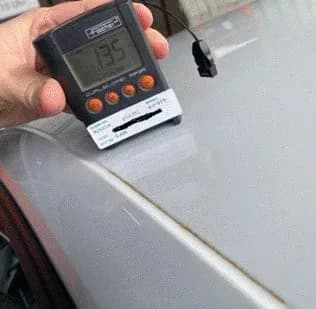
Also applies to
- Audi A4
- 2021–2024
- Audi A4 allroad
- 2021–2024
- Audi A5
- 2021–2024
- Audi A6
- 2021–2024
- Audi A6 allroad
- 2021–2024
- Audi A8 L e
- 2021
- Audi Q3
- 2021–2024
- Audi Q5
- 2021–2024
- Audi Q5 e
- 2021, 2023, 2024
- Audi Q7
- 2021–2024
- Audi Q8
- 2021, 2022, 2024
- Audi RS 5
- 2021–2024
- Audi RS 6 Avant
- 2021–2024
- Audi RS Q8
- 2021–2024
- Audi S4
- 2021–2024
- Audi S5
- 2021–2024
- Audi S6
- 2021–2024
- Audi S8
- 2021–2024
- Audi SQ5
- 2021–2024
- Audi SQ7
- 2021–2024
- Audi SQ8
- 2021–2024
- Audi TT
- 2021–2023
- Audi TT RS
- 2021–2022
- Audi TTS
- 2021–2023
▸ Show 18 more▾ Show fewer
Audi has issued Technical Service Bulletin (TSB) 51 24 31 2068999/2 to address concerns regarding visible corrosion and cracked paintwork at the joint between the roof and roof side member on a wide range of its vehicles. This TSB, dated September 16, 2024, supersedes an earlier bulletin, 23-26, from January 5, 2023, with revisions made to clarify the condition, technical background, and service statements. This bulletin provides crucial information for diagnosing the root cause of this specific Audi roof corrosion.
Symptoms of Audi Roof Corrosion
Owners may notice "Cracked paintwork with corrosion at joint connecting roof to roof side member." Technicians examining affected vehicles have confirmed "corrosion formation" which typically appears "under what appears to be cracks through the top coat of the paint." This visible corrosion at the roof and roof side member joint is the primary symptom.
Technical Background and Trigger Conditions
The underlying cause of this issue is often external force applied to the roof skin panel. This force can lead to a crack in the paintwork where the roof meets the roof side member. Common sources of such force include impacts from hail, large accumulations of snow, or other external factors. It's important to note that these paint cracks may not be immediately apparent, even after dent removal procedures. This delay in detection can allow a significant period to pass before the corrosion becomes visible, contributing to the "Visible corrosion at joint between roof and roof side member" problem.
Diagnosis Procedure Summary
Audi TSB 51 24 31 2068999/2 outlines several steps for technicians to accurately diagnose the presence and extent of this Audi roof corrosion:
- Paint Thickness Measurement: Technicians should perform paint thickness measurements, as illustrated in Figure 1 of the TSB. This helps identify areas where the paint layer might be compromised.
- Visual Inspection for Cracks: A thorough visual inspection is required to identify "resultant corrosion due to cracks in the paint," as shown in Figure 2.
- Magnified Inspection: For subtle damage, especially in the roof channel seams, magnification may be necessary to detect paint cracking. Figure 3 provides a close-up view of paint cracking in the roof channel seam, and Figure 4 shows paint cracks under magnification.
- Surface Deformation Examination: Technicians should also look for surface deformations that could be caused by external forces, such as large amounts of snow falling off a roof. Figure 5 illustrates how remaining roof deformation might evade a cursory view, and Figure 6 shows how a patterned background can aid in examining the roof panel for deformation.
Important Warnings
This Technical Service Bulletin is "informational only and not applicable to any Audi Warranty." Owners should be aware that this document primarily serves to guide technicians in identifying the issue rather than providing a repair procedure covered under standard warranty.
Additional Information
All part and service references within this TSB (2068999) are subject to change. Technicians are advised to consult the Parts Department, ETKA, and the Repair Manual for the most current information regarding parts bulletins and replacement requirements for fasteners, bolts, nuts, and screws.
Source: NHTSA ID 11009365
Gallery
5 images
Frequently Asked Questions
- What is Audi TSB 51 24 31 2068999/2 about?
- Audi Technical Service Bulletin 51 24 31 2068999/2 addresses visible corrosion and cracked paintwork at the joint between the roof and roof side member on various 2012-2024 Audi models.
- What causes the Audi roof corrosion described in this TSB?
- The corrosion typically results from cracks in the paintwork caused by external forces such as hail or heavy snow. These cracks can be difficult to detect initially, leading to corrosion over time, manifesting as "Visible corrosion at joint between roof and roof side member".
- How can technicians diagnose this roof corrosion issue?
- Technicians can diagnose the issue using paint thickness measurements, visual inspection of paint cracking, magnification for subtle cracks in roof channel seams, and examining the roof panel for surface deformations using a patterned background.
- Is the repair for this Audi roof corrosion covered under warranty?
- According to the TSB, this bulletin is informational only and not applicable to any Audi Warranty. Owners should consult their dealer for specific coverage questions regarding the "Cracked paintwork with corrosion at joint connecting roof to roof side member".
Related Articles
2023-2026 Audi Frequency Analysis App TSB 2051095/11
Technical Service Bulletin 2051095/11 introduces the Audi Frequency Analysis app, a specialized diagnostic tool for technicians to accurately identify and address noise complaints in 2023-2026 Audi vehicles. This app helps pinpoint the source of various vehicle noises.
2021-2025 Audi Models Engine Control Module Software Update 53ZC
Audi has released Technical Service Bulletin 53ZC (WARR EXT – U82) to provide an Engine Control Module software update. This update optimizes engine oil pressure for various 2021-2025 Audi models, preventing potential issues.
2022-2025 Audi ECM Software Update 53ZC for Oil Pressure
Audi has issued Technical Service Bulletin 53ZC (WARR EXT – U82) for 2022-2025 Audi models, providing an Engine Control Module (ECM) software update. This proactive update optimizes engine oil pressure and is covered under a warranty extension.
2022-2025 Audi Models Engine Control Module Software Update
Audi has issued a dealer communication regarding a software update (UPDATE 53ZC / WARR EXT – U82) for the Engine Control Module in various 2022-2025 models. This update aims to optimize engine oil pressure and prevent potential piston wear. Owners should contact their dealer as no notification…
2022-2025 Audi Q8 Engine Control Module Update
Audi has released Technical Service Bulletin 53ZC, a proactive Engine Control Module (ECM) software update for 2022-2025 Audi Q8, Q7, A6, A7, S4, S5, SQ5, and A8 models. This update optimizes engine oil pressure to prevent potential piston wear and includes a U82 warranty extension.
Leave a comment
Comments are moderated and may take a moment to appear. Only your first name and the initial of your last name are shown publicly.
Comments
Be the first to comment.