2022-2026 Audi Parking Aid False Warnings TSB
Audi has released TSB 2024323/13 to address false warnings from the parking aid system in 2022-2026 models. This bulletin details various environmental and vehicle-related factors that can cause the parking aid to malfunction, providing comprehensive diagnostic and repair procedures for technicians.
 Sarah Mitchell2022 Audi e-tron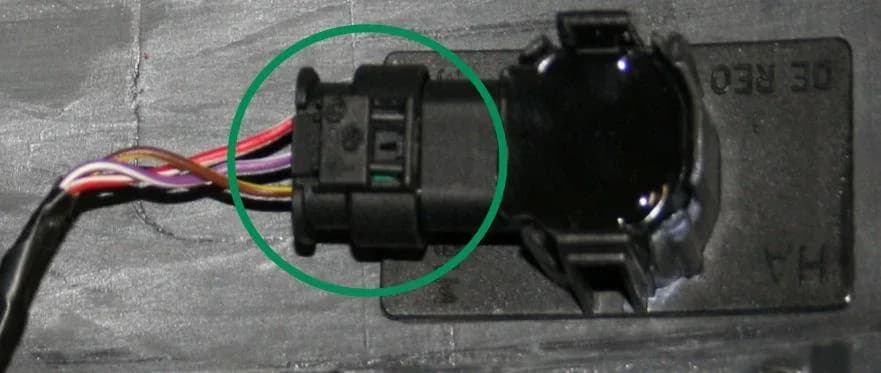
Also applies to
- Audi A3
- 2022–2026
- Audi A4
- 2021–2025
- Audi A4 allroad
- 2021–2025
- Audi A5
- 2021, 2022, 2023, 2024, 2026
- Audi A6
- 2021–2026
- Audi A6 allroad
- 2021–2026
- Audi A7
- 2021–2025
- Audi A7 e
- 2021–2022
- Audi A8 L e
- 2021
- Audi e-tron
- 2021, 2023
- Audi e-tron GT
- 2022–2025
- Audi e-tron Sportback
- 2021–2022
- Audi Q3
- 2021–2025
- Audi Q5
- 2021–2026
- Audi Q5 e
- 2021, 2023, 2024, 2025
- Audi Q7
- 2021–2026
- Audi Q8
- 2021–2026
- Audi R8
- 2021–2023
- Audi RS 3
- 2022–2026
- Audi RS 5
- 2021–2024
- Audi RS 6 Avant
- 2021–2026
- Audi RS 7
- 2021–2026
- Audi RS e-tron GT
- 2022–2026
- Audi RS Q8
- 2021–2026
- Audi S e-tron GT
- 2026
- Audi S3
- 2022–2026
- Audi S4
- 2021–2025
- Audi S5
- 2021, 2022, 2023, 2024, 2026
- Audi S6
- 2021–2025
- Audi S7
- 2021–2025
- Audi S8
- 2021–2026
- Audi SQ5
- 2021–2026
- Audi SQ7
- 2021–2026
- Audi SQ8
- 2021–2026
- Audi TT
- 2021–2023
- Audi TT RS
- 2021–2022
- Audi TTS
- 2021–2023
▸ Show 31 more▾ Show fewer
Audi has issued TSB 2024323/13 to address instances where the parking assistance system provides false warnings or fails to detect obstacles. This issue, often described by owners as the parking aid not working or issuing warnings without any apparent obstacle, affects a wide range of Audi vehicles from model years 2022 to 2026. The TSB provides a detailed diagnostic and repair procedure to help technicians identify and resolve the root cause of these false activations.
Symptoms
Owners may notice that their parking aid system is not functioning correctly, often issuing warnings even when no obstacles are present. This can manifest as the parking aid not working as expected or providing misleading alerts during parking maneuvers. If your 2022-2026 Audi e-tron parking aid fault is giving you trouble, these symptoms are a key indicator.
Diagnosis / Trigger Conditions
Various environmental and vehicle-specific factors can contribute to the parking aid system's false activations. Technicians are advised to check the following conditions:
- Environmental Factors:
- Plants or curbs near the vehicle.
- Driving over gravel tracks, cobblestones, potholes, cattle grids, sharp bends, or slopes.
- Weather conditions like water, ice, or snow on the parking aid sensors.
- Vehicle exhaust gases and water vapor affecting ultrasound transmission.
- Noise interference from external sources such as pneumatic brakes, anti-rodent devices, or other active ultrasound systems.
- Immediate Surroundings:
- Presence of fluorescent tubes, induction loops at traffic lights, or ramps/driveways.
- Vehicle-Specific Conditions:
- Improper installation or condition of the license plate and carrier (e.g., protruding, advertising carriers, incorrect size, bent edges).
- Non-Audi Genuine Accessories or modifications like trailer hitches, lowered ride height, spoilers, or sound generators.
- Previous damage or new paint applied to the bumper area.
Repair Procedure Summary
The TSB outlines a comprehensive diagnostic and repair process for addressing the Audi e-tron parking aid fault. This involves several stages, starting with external checks and progressing to diagnostic tester analysis and removal work if necessary.
External Checks (without diagnostic tester):
- Inspect parking aid sensors for dirt, foreign objects, damage to the bumper, or mechanical damage like stone chipping. Dirty sensors should be cleaned, while damaged sensors may require replacement.
- Verify that parking aid senders are securely seated and engaged by applying pressure.
- Check the decoupling ring for correct seating; it should not be bulging or folded and must enclose the sensor evenly.
- Ensure the sensor is seated centrally and flush with the bumper.
Diagnostic Checks (with diagnostic tester):
- Read the vehicle's fault memory using a diagnostic tester (GFF). If a Diagnostic Trouble Code (DTC) is stored for a parking aid sender, the affected sender should be swapped for another one. If the DTC does not reappear, replacement may not be necessary.
- For false warnings without obstacles, monitor oscillation time (target: 0.8-1.5 milliseconds) and distance evaluation in measured value blocks. Decouple the sensor with a foam element to absorb ultrasound. If the warning stops, investigate reflective objects in the surroundings. If the warning persists, the sensor must be replaced.
- Check the coding in the parking aid control unit, especially if a towing bracket has been retrofitted.
- Verify the part number using the tester and parts catalog.
Checks with Removal Work (with diagnostic tester):
- Inspect connections at sensors, the bumper coupling point, parking aid control unit, and sound generator for corrosion, water ingress, bent/pushed-back pins, and correct connector/pin seal seating.
- Examine wires in the bumper harness for damage, crushing, or insufficient length.
- Inspect the sensor bracket and the sensors themselves for damage, deformation, secure attachment, correct alignment, and dirt.
Painting Instructions:
- If replacement parking aid sensors need to be painted, specific instructions in the ElsaPRO Paintwork manual must be followed. The painting area is critical, ranging from 2-3mm to 8mm from the outside surface, and the sensor housing itself must not be painted.
Required Tools or Parts
While no specific tools beyond a diagnostic tester are mentioned, the TSB references specific service and damage codes for warranty claims:
- Causal Part: Parking aid sensor
- Service Number: 9175
- Damage Code: 0040
- Causal Part: Parking aid control unit
- Service Number: 9174
- Damage Code: 0040
- Causal Part: Wiring harness
- Service Number: 9759
- Damage Code: 0040
Owner Action
If you are experiencing false parking aid warnings or believe your Audi's parking aid system is malfunctioning, it is recommended to visit an authorized Audi service center. Technicians can perform the diagnostic steps outlined in TSB 2024323/13 to accurately identify and address the issue. For vehicles still under warranty, repairs related to this TSB should be covered. If your vehicle is outside of warranty, this bulletin serves as an informational guide for the repair process.
Source: NHTSA ID 11030985
Gallery
10 images
Frequently Asked Questions
- What does Audi TSB 2024323/13 address?
- Audi TSB 2024323/13 addresses instances where the parking assistance system provides false warnings or fails to detect obstacles, detailing diagnostic and repair procedures for technicians.
- What causes the Audi e-tron parking aid fault?
- The Audi e-tron parking aid fault can be caused by various factors, including environmental conditions (like plants, weather, noise), issues with license plate installation, non-genuine add-on parts, previous damage, or physical problems with the parking aid sensors or their connections.
- How can a technician diagnose false parking aid warnings?
- Technicians will perform external visual checks of the sensors and surrounding components, check the vehicle's fault memory using a diagnostic tester (GFF), monitor live data like oscillation time, and may perform checks with removal work to inspect wiring and connections if necessary.
- Are repairs for the parking aid false warnings covered under warranty?
- For vehicles still under warranty, repairs performed according to TSB 2024323/13 using service numbers like 9175, 9174, or 9759 and damage code 0040 should be covered. If the vehicle is outside of warranty, the bulletin is informational.
Related Articles
2022 Audi e-tron Problems: Electrical System & Braking Concerns
The 2022 Audi e-tron has faced significant owner complaints regarding its electrical system, including sudden power loss and charging hazards, as well as various braking malfunctions. This profile details these issues and relevant service bulletins.
2022-2026 Audi Guided Fault Finding Reporting Obligation
Audi has issued Technical Service Bulletin TPI 2033392, also known as Transaction No. 2081531/1, regarding a reporting obligation for technicians when Guided Fault Finding produces an unexpected result. This TSB outlines the process for contacting Audi Product Support for diagnostic assistance.
2022-2026 Audi Infotainment System Complaints
Audi has released Technical Service Bulletin (TSB) 2081405/1 to address various customer complaints regarding infotainment systems in 2022-2026 Audi vehicles. This TSB helps technicians diagnose issues often caused by external media or mobile devices, rather than vehicle technology.
2018-2026 Audi Models Cracking Noise TSB 2061464/11
Audi Technical Service Bulletin 2061464/11 describes a cracking noise from the front or rear axle when changing direction in various 2018-2026 Audi models. The issue is due to stub axle movement and is resolved by bonding the stub axle to the wheel bearing with locking fluid.
2022-2026 Audi Parking Aid False Warnings TSB 2024323/13
Audi has released Technical Service Bulletin 2024323/13 to address customer complaints of false parking aid warnings. This bulletin details various environmental and vehicle-specific conditions that can cause the parking aid system to issue alerts even when no obstacles are present. It provides…
Leave a comment
Comments are moderated and may take a moment to appear. Only your first name and the initial of your last name are shown publicly.
Comments
Be the first to comment.