2023-2026 Audi Steering Wheel Visual Damage TSB
Audi Technical Service Bulletin 2028220/13 provides information on visual damage to steering wheels in 2023-2026 Audi vehicles. It clarifies that common issues like discoloration, peeling, or wear are typically caused by external factors such as cleaning agents or jewelry, and are not covered…
 Ahmet Topcu2023 Audi e-tron
Also applies to
- Audi A3
- 2022–2026
- Audi A4
- 2021–2025
- Audi A4 allroad
- 2021–2025
- Audi A5
- 2021–2024
- Audi A6
- 2021–2026
- Audi A6 allroad
- 2021–2025
- Audi A7
- 2021–2025
- Audi A7 e
- 2021–2022
- Audi A8 L e
- 2021
- Audi e-tron
- 2021–2022
- Audi e-tron GT
- 2022–2025
- Audi e-tron Sportback
- 2021–2022
- Audi Q3
- 2021–2025
- Audi Q5
- 2021–2025
- Audi Q5 e
- 2021, 2023, 2024, 2025
- Audi Q7
- 2021–2026
- Audi Q8
- 2021–2026
- Audi R8
- 2021–2023
- Audi RS 3
- 2022–2026
- Audi RS 5
- 2021–2024
- Audi RS 6 Avant
- 2021–2026
- Audi RS 7
- 2021–2026
- Audi RS e-tron GT
- 2022–2026
- Audi RS Q8
- 2021–2026
- Audi S e-tron GT
- 2026
- Audi S3
- 2022–2026
- Audi S4
- 2021–2025
- Audi S5
- 2021–2024
- Audi S6
- 2021–2025
- Audi S7
- 2021–2025
- Audi S8
- 2021–2026
- Audi SQ5
- 2021–2025
- Audi SQ7
- 2021–2026
- Audi SQ8
- 2021–2026
- Audi TT
- 2021–2023
- Audi TT RS
- 2021–2022
- Audi TTS
- 2021–2023
▸ Show 31 more▾ Show fewer
Audi has released Technical Service Bulletin (TSB) 2028220/13 to address concerns regarding visual damage on steering wheels across various 2023-2026 Audi models. This bulletin clarifies that such irregularities are often the result of external factors rather than manufacturing defects, and as such, are typically not covered under warranty.
This TSB, identified as Transaction No. 2028220/13 and released on December 11, 2025, is the latest revision, superseding previous versions 2028220/12 (dated 09/10/2024) and 2028220/11 (dated 07/24/2024). The revisions primarily updated the model years covered, clarified the condition statement, and provided additional details regarding the technical background and warranty information.
Symptoms of Steering Wheel Visual Damage
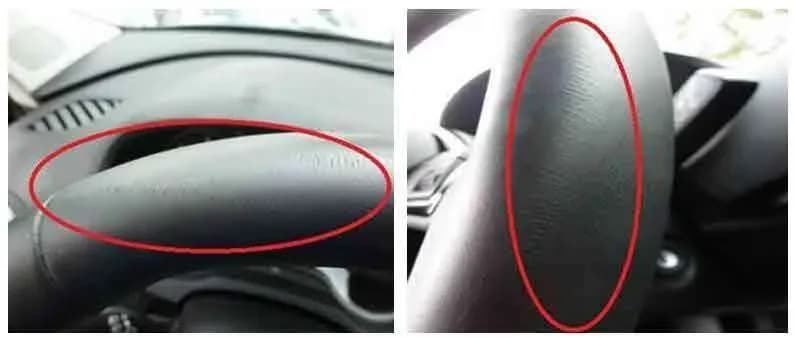
Owners may observe various forms of visual damage on their Audi steering wheels. These can include discoloration, peeling of the surface material, wear marks from contact, or even what appears to be twisted leather. The TSB includes several illustrative figures (Figures 1-13) demonstrating these typical cases, such as damage from external impact, changes due to external influences, color coming off from disinfectants or hand sanitizer, twisted leather that might be mistaken for cracks, and paint peeling off the trim elements of the steering wheel.
This Audi steering wheel visual damage is primarily cosmetic and does not typically affect the functional safety of the vehicle. However, it can significantly impact the aesthetic appeal and perceived quality of the interior.
Technical Background and Causes
Audi's technical evaluations have determined that these visible irregularities on the steering wheel do not stem from issues with the materials or workmanship during manufacturing. Instead, the observed changes are attributed to external impacts and influences encountered during vehicle use. The TSB explicitly states that these visible irregularities do not constitute a fault covered by the warranty.
Key factors identified as contributing to Audi steering wheel visual damage include:
- Contact with Personal Items: Frequent contact with items such as zips on clothing, watches, rings, or other jewelry can cause abrasive wear and tear on the steering wheel's surface. Over time, this constant friction can lead to visible marks, scratches, or even material degradation.
- Unsuitable Cleaning Agents: The use of cleaning agents that contain abrasive compounds or harsh solvents can severely damage the delicate surfaces of the steering wheel. These chemicals can strip away protective coatings, alter the color, or cause the material to break down, leading to peeling or sticky textures.
- Disinfectant Agents: Especially relevant in recent years, the frequent or intensive use of disinfectant agents, including hand sanitizers, can have a detrimental effect on steering wheel materials. The alcohol or other active ingredients in these products can cause discoloration, material hardening, or surface degradation, leading to premature wear and an unsightly appearance.
These external factors can cause the color of the steering wheel to change, or they can directly damage the coated or painted surfaces, leading to the symptoms described above.
Important Warnings Regarding Warranty Coverage
Audi Technical Service Bulletin 2028220/13 contains critical information for owners regarding warranty claims. The bulletin explicitly states: "Steering wheels with the issues described above are not eligible to be warranty cases and will be charged back accordingly." This means that if a dealer performs a repair or replacement for Audi steering wheel visual damage that falls under these categories, Audi will not reimburse the dealer, and the cost will be passed on to the customer.
Therefore, owners should be aware that cosmetic damage resulting from external influences, as outlined in this TSB, will generally not be covered under the vehicle's factory warranty. There is no specific repair procedure or production solution detailed in this TSB because the issue is not considered a manufacturing defect.
Owner Action and Prevention
Given that Audi steering wheel visual damage is primarily caused by external factors and is not covered by warranty, owners are advised to take preventative measures to maintain the condition of their steering wheel. The TSB recommends observing the maintenance and cleaning instructions provided in the vehicle's Owner's Manual. These manuals typically offer guidance on appropriate cleaning products and methods that are safe for interior surfaces.
If you believe your steering wheel damage is due to a manufacturing defect and not the external causes listed, you may attempt to pursue a warranty claim. However, the TSB specifies that if a complaint is assessed as potentially covered by warranty, clear photos must be attached to a Technical Assistance Center (TAC) case, with a reference to the specific vehicle. Failure to provide the required documentation may result in the claim being rejected. The warranty claim process uses Service Number 4810 and damage code 0030 for documentation purposes.
By following recommended care instructions and being mindful of contact with abrasive items and harsh chemicals, owners can help preserve the appearance of their Audi steering wheel.
Source: NHTSA ID 11027350
Gallery
6 images
Frequently Asked Questions
- Is visual damage to my Audi steering wheel covered by warranty?
- No, according to Audi Technical Service Bulletin 2028220/13, visual damage such as discoloration, peeling, or wear marks on the steering wheel is typically considered to be caused by external factors and is not covered under the vehicle's warranty.
- What causes the Audi steering wheel visual damage described in TSB 2028220/13?
- The TSB identifies several common causes, including contact with personal items like rings or watches, the use of unsuitable cleaning agents with abrasive compounds or solvents, and frequent exposure to disinfectant agents, including hand sanitizers.
- How can I prevent my Audi steering wheel from getting visual damage?
- To prevent `Audi steering wheel visual damage`, it is recommended to avoid contact with abrasive items, use only cleaning products specifically approved for automotive interior surfaces, and refer to your vehicle's Owner's Manual for detailed maintenance and cleaning instructions.
- What should I do if I think my steering wheel damage is a manufacturing defect?
- If you believe the damage is a manufacturing defect and not due to external causes, you would need to provide clear photographic evidence with a reference to your vehicle in a Technical Assistance Center (TAC) case. Claims without proper documentation may be rejected, as outlined in TSB 2028220/13, using Service Number 4810 and damage code 0030.
Related Articles
2023 Audi e-tron Problems: Recalls, Complaints & TSBs
The 2023 Audi e-tron has faced several significant safety concerns, including recalls for potential charging cable overheating and brake pedal detachment. Owners have also reported serious issues like sudden unintended acceleration and electrical system malfunctions. This profile details these…
2023 Audi e-tron Brake Pedal Recall
Audi has issued a recall (NHTSA ID: 26V240000, Audi Recall 46P7) for certain 2019-2024 E-Tron and 2020-2024 E-Tron Sportback vehicles, including the 2023 Audi e-tron. The recall addresses a potential issue where the brake pedal may detach from the brake booster, leading to a loss of brake function.
2015-2027 Audi Noise Diagnosis with Frequency Analysis App TSB
Audi has released Technical Service Bulletin 2051095/11 detailing the Audi Frequency Analysis app. This app helps technicians diagnose noise complaints more precisely across 2015-2027 Audi models. Learn how the app works, where to download it, and its features for effective vehicle noise analysis.
2023 Audi e-tron AC/DC Charging Not Possible TSB
This manufacturer communication (NHTSA ID 11031035) provides critical information for 2023 Audi e-tron owners facing issues with AC/DC charging. It specifically highlights problems linked to software version 00C6: 0093/3119, which can prevent the vehicle from charging.
2023-2025 Audi Rear Seat Reminder Message TSB 2074943/2
Audi Technical Service Bulletin 2074943/2 explains the instrument cluster message 'Please check rear seats and be aware of door safelock' in various 2023-2025 Audi models. This informational TSB details the rear occupant detection system designed to prevent children and pets from being left in…
Leave a comment
Comments are moderated and may take a moment to appear. Only your first name and the initial of your last name are shown publicly.
Comments
Be the first to comment.