2021-2026 Audi Brake Noises TSB 2069904/2
This Technical Service Bulletin (TSB) 2069904/2 addresses common brake noises in 2021-2026 Audi models. It explains that issues like squeaking, vibrating, or general noise often stem from contamination, low mileage driving, or glazed friction surfaces, and typically do not require part replacement.
 Ahmet Topcu2021 Audi e-tron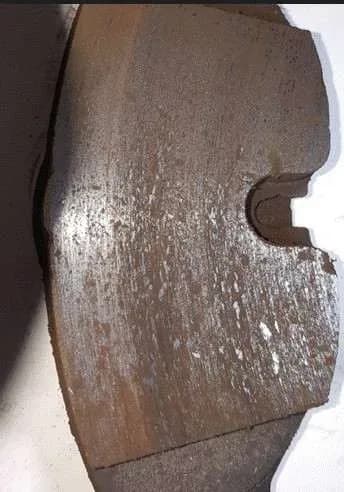
Si applica anche a
- Audi A3
- 2022–2026
- Audi A4
- 2021–2025
- Audi A4 allroad
- 2021–2025
- Audi A5
- 2021–2024
- Audi A6
- 2021–2025
- Audi A6 allroad
- 2021–2026
- Audi A7
- 2021–2025
- Audi A7 e
- 2021–2022
- Audi A8 L e
- 2021
- Audi e-tron
- 2022–2023
- Audi e-tron GT
- 2022–2026
- Audi e-tron Sportback
- 2021–2022
- Audi Q3
- 2021–2025
- Audi Q5
- 2021–2025
- Audi Q5 e
- 2021, 2023, 2024, 2025
- Audi Q7
- 2021–2026
- Audi Q8
- 2021–2026
- Audi R8
- 2021–2023
- Audi RS 3
- 2022–2026
- Audi RS 5
- 2021–2024
- Audi RS 6 Avant
- 2021–2026
- Audi RS 7
- 2021–2026
- Audi RS e-tron GT
- 2022, 2023, 2024, 2026
- Audi RS Q8
- 2021–2026
- Audi S e-tron GT
- 2026
- Audi S3
- 2022–2026
- Audi S4
- 2021–2025
- Audi S5
- 2021–2024
- Audi S6
- 2021–2025
- Audi S7
- 2021–2025
- Audi S8
- 2021–2026
- Audi SQ5
- 2021–2025
- Audi SQ7
- 2021–2026
- Audi SQ8
- 2021–2026
- Audi TT
- 2021–2023
- Audi TT RS
- 2021–2022
- Audi TTS
- 2021–2023
▸ Mostra altri 31▾ Mostra meno
Owners of various 2021-2026 Audi models may experience Audi brake noises such as squeaking, vibrating, or general noise during braking. This issue is addressed in Technical Service Bulletin (TSB) 2069904/2, which provides detailed information on the causes and recommended solutions for these brake-related complaints.
This TSB, initially published on April 18, 2023, and revised on October 22, 2025, clarifies that such noises are often not indicative of a fault requiring part replacement but rather stem from common conditions related to brake usage and environment.
Revision History
Technical Service Bulletin 2069904/2 has undergone revisions to ensure the most current information is available:
- Revision 1 (April 18, 2023): Initial publication of the bulletin.
- Revision 2 (October 22, 2025): Revised header to include additional model years.
Symptoms and Owner Complaints
Customers typically report various Audi brake noises when applying the brakes. These can manifest as a range of sounds and sensations, often localized to specific areas of the vehicle. Common complaints include:
- Noises and Vibrations: Reported from the vehicle's rear or front areas, specifically linked to the foot brake system.
- Squeaking Sounds: Frequently originating from the front or rear brakes during application.
- Vibrating Sensations: Experienced during braking, affecting either the front or rear of the vehicle.
In addition to audible and tactile symptoms, visual inspections can sometimes reveal contributing factors. These include:
- Corrosion/Rust: Appearance of surface corrosion or rust on brake pads (disc brake) or rotors.
- Contamination: Evidence of dirty brake pads (disc brake) or brake rotors.
Workshop Findings
When technicians investigate customer complaints of Audi brake noises, they typically find that noises are generated at either the front and/or rear brakes during braking. A key finding is that brake pad thickness is usually within specifications, indicating that the noise is not due to worn-out pads requiring immediate replacement. The bulletin also notes that there is no further TSB on this specific topic, making 2069904/2 the primary reference for these brake noise issues.
Technical Background: Why Brake Noises Occur
TSB 2069904/2 explains that Audi brake noises are often not due to a mechanical defect but rather a result of various external factors and driving habits. Understanding these causes is crucial for proper diagnosis and resolution:
- Contamination: Brake noises are frequently related to contamination of brake components. This can include common substances like brake dust, rust, or road grit, which accumulate on the friction surfaces.
- Driving Habits and Low Mileage: Noises are more likely to occur in vehicles with low mileage, those primarily driven short distances, or where braking application is consistently very light. These conditions prevent the brakes from cleaning themselves sufficiently or building optimum friction on the friction faces.
- Bedding-in Process: For new vehicles or those with low mileage, brake noises can arise because the friction faces of the pads and rotors have not yet properly bedded in. The bedding-in process is essential for generating an optimal friction value between the pad and rotor. The specific mileage required for proper bedding-in varies significantly depending on the driving profile.
- Glazed Friction Surfaces: Glazed friction surfaces on the brake pads are another common cause of noise. This phenomenon typically indicates that the brakes have experienced strong or excessive thermal load, leading to a hardened, shiny surface that can generate noise instead of smooth friction.
Visual Indicators of Brake Issues
The TSB includes visual examples to help technicians identify the conditions described:
- Figure 1: Example of a dirty friction surface on the brake pad. This image illustrates how accumulated debris or uneven wear can appear on the brake pad surface.
- Figure 2: Example of a dirty friction surface on the brake disc. This image shows a brake disc with visible contamination or surface irregularities that contribute to noise.
- Figure 3: Example of brake pads with glazed friction surface. This image depicts brake pads where the friction material has become hardened and shiny due to excessive heat, a common cause of squealing or grinding noises.
Repair Procedure Summary: Addressing Brake Noise
Addressing Audi brake noises primarily involves proper maintenance and driving practices, rather than part replacement. The service procedure outlined in TSB 2069904/2 emphasizes the following:
- Proper Bedding-in: It is crucial that the brakes are adequately bedded in using a driving style suited to the traffic conditions. This process helps the brake pads and rotors to mate correctly, optimizing their friction performance and reducing noise. Information on this topic is also available in the vehicle's Owner's Manual.
- Regular Braking: Brakes should be
Galleria
3 immagini
Frequently Asked Questions
- What does Audi TSB 2069904/2 address?
- Audi TSB 2069904/2 addresses common brake noises, such as squeaking, vibrating, or general noise, experienced by owners of 2021-2026 Audi models. It provides guidance on the causes and remedies for these issues.
- Why are my Audi brakes making noise?
- Your Audi brake noises can be caused by several factors, including contamination from brake dust, rust, or road grit, low mileage driving, infrequent or light braking applications, or glazed friction surfaces on the brake pads. These conditions prevent the brakes from cleaning themselves or bedding in properly.
- Do I need to replace my brake pads or rotors if they are noisy?
- According to TSB 2069904/2, it is generally not necessary to replace parts for brake noise issues. The bulletin states that if friction surfaces are glazed or dirty, they can often be cleaned using workshop materials like sandpaper, and then the brakes should be properly bedded in again.
- What is 'bedding in' the brakes?
- Bedding in the brakes refers to a process where the brake pads and rotors are properly conditioned through a specific driving style. This allows the friction surfaces to mate correctly, optimizing friction and reducing the likelihood of noises. This is especially important for new vehicles or after cleaning brake components.
- What should I do if my 2021-2026 Audi has brake noises?
- If you experience **Audi brake noises**, first ensure your driving style includes adequate and regular braking to help keep the brakes clean and properly bedded. If the noise persists, consult your Audi service center. They can inspect the friction surfaces and perform cleaning or re-bedding procedures as outlined in TSB 2069904/2.
Related Articles
2021 Audi e-tron Electrical Malfunction and Power Loss
A 2021 Audi e-tron owner reported a severe 'Electrical Malfunction' resulting in complete loss of power on the highway. The issue has persisted despite dealer attempts to fix it over five months, posing significant safety risks.
2021-2026 Audi UTR Troubleshooting & FAQs TSB 2081409/1
This Audi Technical Service Bulletin (TSB 2081409/1) provides comprehensive answers to frequently asked questions and troubleshooting steps for the Audi Universal Traffic Recorder (UTR) accessory, covering topics like SD card compatibility, video playback, Wi-Fi issues, and more.
2021-2025 Audi Emergency Call System Fault TSB
Audi has released Technical Service Bulletin 2059528/18 to address an "Emergency call function: malfunction! Function unavailable. Please contact service" warning, often accompanied by a red SOS LED and DTC B200000. This issue affects various 2021-2025 Audi models and is due to a software problem…
2021-2026 Audi Adaptive Light System Fault C12B3FA TSB
Audi has released Technical Service Bulletin 2054202/7 to address an intermittent 'Audi adaptive light: system fault' message and DTC C12B3FA in various 2021-2026 models. This TSB outlines diagnosis and resolution for driver assistance system malfunctions.
2021-2026 Audi Parking Aid False Warnings TSB 2024323/12
This Technical Service Bulletin (TSB 2024323/12) details diagnostic and repair procedures for 2021-2026 Audi vehicles experiencing false parking aid warnings. Learn about environmental factors, sensor checks, and proper installation to resolve issues like 'Parking aid does not work / warning is…
Leave a comment
Comments are moderated and may take a moment to appear. Only your first name and the initial of your last name are shown publicly.
Comments
Be the first to comment.