2023-2026 Audi Anti-Theft Alarm System Malfunctions TSB
Audi has released TSB 2056019/4 addressing anti-theft alarm issues in 2023-2026 models, including the e-tron. This bulletin helps technicians diagnose reasons for false alarms or system failures by checking specific measurement value blocks in control units like J393 and J519.
 Ahmet Topcu2023 Audi e-tron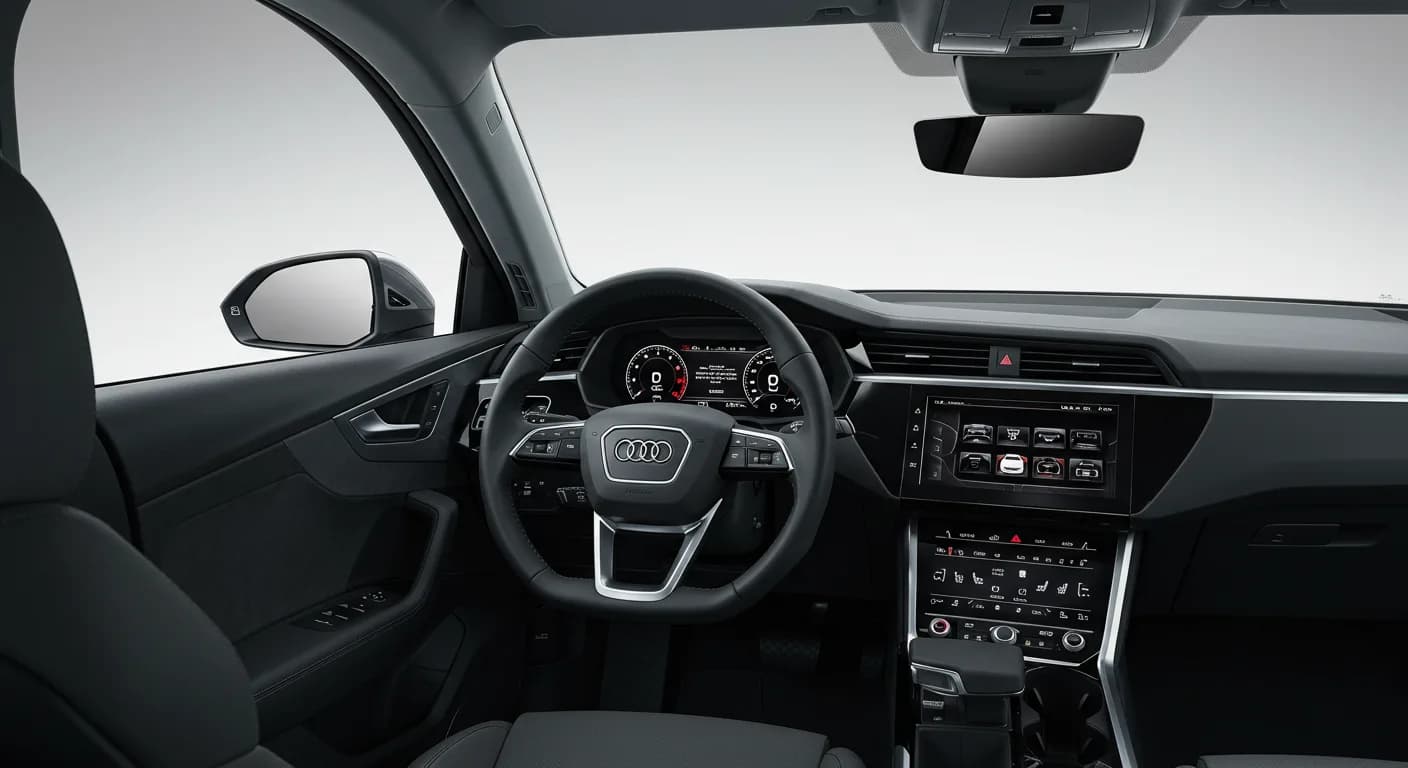
Also applies to
- Audi A3
- 2022–2025
- Audi A4
- 2021–2025
- Audi A4 allroad
- 2021–2025
- Audi A5
- 2021–2024
- Audi A6
- 2021–2025
- Audi A6 allroad
- 2021–2025
- Audi A7
- 2021–2025
- Audi A7 e
- 2021–2022
- Audi A8 L e
- 2021
- Audi e-tron
- 2021–2022
- Audi e-tron GT
- 2022–2025
- Audi e-tron Sportback
- 2021–2022
- Audi Q3
- 2021–2025
- Audi Q5
- 2021–2025
- Audi Q5 e
- 2021, 2023, 2024, 2025
- Audi Q7
- 2021–2025
- Audi Q8
- 2021–2025
- Audi R8
- 2021–2023
- Audi RS 3
- 2022–2024
- Audi RS 5
- 2021–2024
- Audi RS 6 Avant
- 2021–2025
- Audi RS 7
- 2021–2025
- Audi RS e-tron GT
- 2022–2024
- Audi RS Q8
- 2021–2025
- Audi S e-tron GT
- 2026
- Audi S3
- 2022–2025
- Audi S4
- 2021–2025
- Audi S5
- 2021–2024
- Audi S6
- 2021–2025
- Audi S7
- 2021–2025
- Audi S8
- 2021–2025
- Audi SQ5
- 2021–2025
- Audi SQ7
- 2021–2025
- Audi SQ8
- 2021–2025
- Audi TT
- 2021–2023
- Audi TT RS
- 2021–2022
- Audi TTS
- 2021–2023
▸ Show 31 more▾ Show fewer
Owners of 2023-2026 Audi vehicles, including the Audi e-tron anti-theft alarm, may experience issues where the anti-theft alarm system activates without a clear reason or fails to activate when expected. This can be a frustrating problem, leading to unnecessary noise or a false sense of security regarding vehicle protection. Technical Service Bulletin (TSB) 2056019/4 from Audi provides detailed diagnostic steps for technicians to pinpoint the exact cause of these anti-theft alarm malfunctions.
Symptoms
Vehicle owners may observe one or more of the following symptoms related to the anti-theft alarm system:
- The anti-theft alarm activates randomly or for no apparent reason.
- The anti-theft alarm fails to activate when the vehicle is locked.
- The acoustic anti-theft alarm (siren) sounds unexpectedly.
- The visual anti-theft alarm (lights flashing) activates unintentionally.
- The interior monitoring system triggers the alarm without cause.
Diagnosis and Investigation Steps
Since no specific Diagnostic Trouble Codes (DTCs) are stored for these issues, technicians must perform a thorough diagnosis by examining specific measurement value blocks within various control units. This process helps identify the precise trigger for the anti-theft alarm activation or the reason for its failure.
Diagnosis involves checking different diagnostic addresses depending on the vehicle model and platform:
- Diagnostic Address 09 (Central Electrics): For models like A3 (8P, 8V, 8Y), Q3 (8U, F3), TT (8J, FV), and R8 (42) from MY 2010, technicians will examine measurement value blocks (e.g., 18-23) or "alarm history data" to find reasons for activation, including date and time. For the Audi e-tron anti-theft alarm and other newer models such as A5 (FU), A6 e-tron (GH), Q5 (GU), Q6 (GF), diagnostic address 0009 is also used to check "History data anti-theft protection," "History data of panic alarm," and "Anti-theft alarm history data for alarm trigger."
- Diagnostic Address 19 (Gateway): For the Q4 (F4), measurement values related to "Anti-theft alarm history data for alarm trigger" are checked.
- Diagnostic Address 46 (Central Convenience): For models including A4 (8K, 8W), A5 (8T, 8F, F5), Q5 (8R, FY), A6 (4G, 4A, 4F), A7 (4G, 4K), A8 (4H, 4N), Q7 (4L, 4M), Q8 (4M), e-tron (GE), and e-tron GT (F8), technicians will investigate measurement value blocks (e.g., 16, 18-24) or "history data of anti-theft protection," "history data of panic alarm," and "anti-theft alarm history data for alarm triggering."
Understanding Alarm Triggers
The TSB highlights specific trigger reasons found in measurement value block 18:
- "Alarm triggered by ILM": This indicates the alarm siren was activated by a command from the convenience control unit J393. The actual reason for the alarm going off can be found in measurement values 21-24.
- "Activation by external system / anti-theft alarm system master": This means the alarm siren was triggered by a command from the Electronic Central Electrical module J519. The true reason for the alarm activation is typically found in the "history data anti-theft protection" measurement values.
The data from the alarm horn itself can also be read to provide further insights into the triggering event.
What Owners Should Do
If you are experiencing issues with your Audi e-tron anti-theft alarm or any other affected Audi model, it is recommended to schedule an appointment with an authorized Audi service center. While the TSB does not outline a specific repair procedure, it provides technicians with the necessary diagnostic framework to accurately identify why your anti-theft alarm is malfunctioning. The service center will use specialized diagnostic tools to access the vehicle's control units and analyze the relevant measurement value blocks to determine the root cause. Warranty claims related to this issue are subject to Audi's warranty guidelines and policies.
Frequently Asked Questions
- What does Audi TSB 2056019/4 address?
- Audi TSB 2056019/4 provides diagnostic guidance for technicians to investigate why the anti-theft alarm system in various Audi models activates without reason or fails to activate at all.
- Why is my Audi anti-theft alarm activating randomly?
- Random anti-theft alarm activations in your Audi could be due to various triggers, which technicians can identify by examining specific measurement value blocks in your vehicle's control units, as outlined in TSB 2056019/4.
- What is the "convenience control unit J393" and how does it relate to the anti-theft alarm?
- The convenience control unit J393 is a module in your Audi that can trigger the anti-theft alarm. If the alarm is "triggered by ILM," it means J393 commanded the siren, and further investigation into measurement values 21-24 is needed to find the exact cause.
- Are there specific fault codes for the anti-theft alarm issues described in TSB 2056019/4?
- No, the TSB explicitly states that "No relevant DTCs are stored" for these anti-theft alarm issues. Diagnosis relies on analyzing measurement value blocks rather than traditional fault codes.
Related Articles
Should 2023 Audi e-tron Owners Worry? Recall & TSB Roundup
The 2023 Audi e-tron faces significant safety concerns, including recalls for potential brake pedal detachment and charging cable overheating. Owners have also reported serious issues like unintended acceleration and electrical system malfunctions. This guide covers all known problems and solutions.
2023 Audi e-tron Brake Pedal Recall
Audi has issued a recall (NHTSA ID: 26V240000, Audi Recall 46P7) for certain 2019-2024 E-Tron and 2020-2024 E-Tron Sportback vehicles, including the 2023 Audi e-tron. The recall addresses a potential issue where the brake pedal may detach from the brake booster, leading to a loss of brake function.
2015-2027 Audi Noise Diagnosis with Frequency Analysis App TSB
Audi has released Technical Service Bulletin 2051095/11 detailing the Audi Frequency Analysis app. This app helps technicians diagnose noise complaints more precisely across 2015-2027 Audi models. Learn how the app works, where to download it, and its features for effective vehicle noise analysis.
2023 Audi e-tron AC/DC Charging Not Possible TSB
This manufacturer communication (NHTSA ID 11031035) provides critical information for 2023 Audi e-tron owners facing issues with AC/DC charging. It specifically highlights problems linked to software version 00C6: 0093/3119, which can prevent the vehicle from charging.
2023-2025 Audi Rear Seat Reminder Message TSB 2074943/2
Audi Technical Service Bulletin 2074943/2 explains the instrument cluster message 'Please check rear seats and be aware of door safelock' in various 2023-2025 Audi models. This informational TSB details the rear occupant detection system designed to prevent children and pets from being left in…
Leave a comment
Comments are moderated and may take a moment to appear. Only your first name and the initial of your last name are shown publicly.
Comments
Be the first to comment.