2013-2024 Audi Engine Juddering from Diesel in Petrol
If your 2013-2024 Audi is juddering, struggling to start, or showing exhaust emissions or EPC warning lights, it might be due to diesel fuel mixed with gasoline. Audi Technical Service Bulletin 01 24 34 2074976/1 details symptoms, diagnosis, and repair for this issue.
 Ahmet Topcu2023 Audi e-tron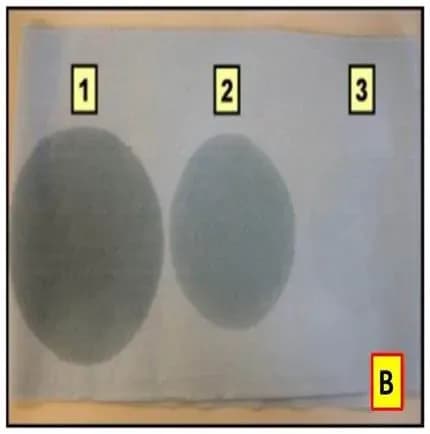
Also applies to
- Audi A3
- 2022–2024
- Audi A4
- 2021–2024
- Audi A4 allroad
- 2021–2024
- Audi A5
- 2021–2024
- Audi A6
- 2021–2024
- Audi A6 allroad
- 2021–2024
- Audi A7
- 2021–2024
- Audi A7 e
- 2021–2022
- Audi A8 L e
- 2021
- Audi e-tron
- 2021–2022
- Audi e-tron GT
- 2022–2024
- Audi e-tron Sportback
- 2021–2022
- Audi Q3
- 2021–2024
- Audi Q5
- 2021–2024
- Audi Q5 e
- 2021, 2023, 2024
- Audi Q7
- 2021–2024
- Audi Q8
- 2021–2024
- Audi R8
- 2021–2023
- Audi RS 3
- 2022–2024
- Audi RS 5
- 2021–2024
- Audi RS 6 Avant
- 2021–2024
- Audi RS 7
- 2021–2024
- Audi RS e-tron GT
- 2022–2024
- Audi RS Q8
- 2021–2024
- Audi S3
- 2022–2024
- Audi S4
- 2021–2024
- Audi S5
- 2021–2024
- Audi S6
- 2021–2024
- Audi S7
- 2021–2024
- Audi S8
- 2021–2024
- Audi SQ5
- 2021–2024
- Audi SQ7
- 2021–2024
- Audi SQ8
- 2021–2024
- Audi TT
- 2021–2023
- Audi TT RS
- 2021–2022
- Audi TTS
- 2021–2023
▸ Show 30 more▾ Show fewer
Symptoms of Diesel in Petrol
Owners of 2013-2024 Audi vehicles may experience various issues if diesel fuel is present in their gasoline tank. These symptoms often point to functional restrictions or abnormal engine behavior. If you notice any of these signs, it's important to have your vehicle inspected for potential fuel contamination, which can cause "Audi engine juddering diesel in petrol" problems.
Reported symptoms include:
- "Driving issues such as juddering." This refers to an uneven or shaky engine operation, particularly noticeable during acceleration or at consistent speeds.
- "Starting problems; the engine starts with a delay." The vehicle may crank longer than usual before the engine fires, or it might struggle to start altogether.
- "The exhaust emissions warning lamp lights up in the instrument cluster." This lamp, often yellow or orange, indicates an issue with the vehicle's emissions control system.
- "The EPC (electronic throttle) warning lamp lights up in the instrument cluster." The EPC light signals a problem with the electronic power control system, which manages engine power and throttle response.
These issues, particularly "driving issues such as juddering" and the illumination of warning lights, are strong indicators of a fuel mixture problem, such as "diesel detected in petrol."
Diagnosing Wrong Fuel Type
To determine if the wrong type of fuel has been added, technicians can perform a simple evaporation test. This method allows for a visual comparison between pure fuels and the vehicle's fuel to identify contamination. This diagnostic step is crucial for confirming the presence of diesel in the gasoline tank, which can lead to "Audi engine juddering diesel in petrol."
The diagnostic procedure is as follows:
- Obtain a paper towel, ideally a commercially available blotting paper, which is absorbent and allows for clear observation of evaporation patterns.
- Add a few drops of pure diesel fuel to one designated section of the paper towel.
- Add a few drops of fuel directly from the vehicle's tank to a separate section.
- Add a few drops of pure gasoline to a third section for comparison.
- Allow all three fuel samples to evaporate naturally. After approximately 10 to 30 minutes, assess the degree of evaporation and any residue left behind. Pure gasoline will evaporate quickly and cleanly, leaving little to no residue. Diesel, being a heavier fuel, evaporates much slower and leaves a distinct oily residue.
Figures 1 and 2 in Technical Service Bulletin 01 24 34 2074976/1 visually illustrate the expected evaporation differences. Figure 1 shows the samples after approximately 10 minutes, while Figure 2 shows them after about 30 minutes. These figures help technicians identify a gasoline/diesel mixture, which will exhibit an evaporation pattern and residue similar to pure diesel, clearly indicating contamination. This test is crucial for confirming "diesel detected in petrol" as the root cause of the observed symptoms.
Repair Procedure Summary
If the diagnostic test confirms the presence of diesel in the gasoline tank, the fuel tank must be completely discharged. This involves safely draining all the contaminated fuel from the tank. Following this, the entire fuel line system, including any associated components, needs to be thoroughly cleaned. This comprehensive cleaning is essential to remove any remaining traces of the diesel/gasoline mixture that could continue to cause engine functional restrictions or "Audi engine juddering diesel in petrol" issues. Failure to completely clean the system could lead to persistent symptoms and potential damage to fuel system components.
Important Warranty Information
Audi Technical Service Bulletin 01 24 34 2074976/1 explicitly states important information regarding warranty coverage for this specific issue. If the wrong type of fuel has been added to the tank, this is considered a customer-induced fault and is not covered under warranty. The bulletin clearly states: "If the wrong type of fuel has been added to the tank, this is not a fault that is covered under warranty. Any expenses for this repair work must be covered by the customer." Furthermore, it clarifies that "This TSB is informational only and not applicable to any Audi Warranty." This means owners will be responsible for all costs associated with diagnosing and repairing the fuel system due to fuel contamination.
Additional Information for Technicians
All part and service references provided within this TSB (2074976) are subject to change and/or removal. Technicians are advised to always check with their Parts Department and/or ETKA (Electronic Parts Catalog) for the latest information and parts bulletins. Additionally, the Repair Manual should be consulted for specific instructions regarding fasteners, bolts, nuts, and screws that require replacement during any repair process related to this issue.
Source: NHTSA ID: 10255319
Gallery
2 images
Frequently Asked Questions
- What are the common signs of diesel mixed with gasoline in my Audi?
- You might notice "driving issues such as juddering," "starting problems; the engine starts with a delay," or warning lights such as "the exhaust emissions warning lamp lights up" or "the EPC (electronic throttle) warning lamp lights up" in your instrument cluster. These are key indicators of "Audi engine juddering diesel in petrol" problems.
- How can a technician confirm if there's diesel in my Audi's gasoline tank?
- Technicians use a simple paper towel evaporation test, comparing samples of pure diesel, your vehicle's fuel, and pure gasoline. This visual test helps identify if a "diesel detected in petrol" mixture is present by observing evaporation rates and residue.
- Is the repair for diesel in petrol covered under Audi's warranty?
- No, Audi Technical Service Bulletin 01 24 34 2074976/1 explicitly states that if the wrong type of fuel has been added, it is not a fault covered under warranty. All repair expenses, including those for "Audi engine juddering diesel in petrol" issues, must be covered by the customer.
- What is the repair process if diesel is found in my Audi's fuel tank?
- The repair involves completely discharging the fuel tank and thoroughly cleaning the entire fuel line system to remove all traces of the diesel/gasoline mixture. This ensures proper engine function and resolves the "Audi engine juddering diesel in petrol" symptoms.
- What should I do if I suspect I have diesel in my Audi's gasoline tank?
- If you experience symptoms like juddering, starting issues, or warning lights, you should contact an authorized Audi service center immediately. Continuing to drive with contaminated fuel can lead to further damage to your vehicle's engine and fuel system.
Related Articles
Should 2023 Audi e-tron Owners Worry? Recall & TSB Roundup
The 2023 Audi e-tron faces significant safety concerns, including recalls for potential brake pedal detachment and charging cable overheating. Owners have also reported serious issues like unintended acceleration and electrical system malfunctions. This guide covers all known problems and solutions.
2023 Audi e-tron Brake Pedal Recall
Audi has issued a recall (NHTSA ID: 26V240000, Audi Recall 46P7) for certain 2019-2024 E-Tron and 2020-2024 E-Tron Sportback vehicles, including the 2023 Audi e-tron. The recall addresses a potential issue where the brake pedal may detach from the brake booster, leading to a loss of brake function.
2015-2027 Audi Noise Diagnosis with Frequency Analysis App TSB
Audi has released Technical Service Bulletin 2051095/11 detailing the Audi Frequency Analysis app. This app helps technicians diagnose noise complaints more precisely across 2015-2027 Audi models. Learn how the app works, where to download it, and its features for effective vehicle noise analysis.
2023 Audi e-tron AC/DC Charging Not Possible TSB
This manufacturer communication (NHTSA ID 11031035) provides critical information for 2023 Audi e-tron owners facing issues with AC/DC charging. It specifically highlights problems linked to software version 00C6: 0093/3119, which can prevent the vehicle from charging.
2023-2025 Audi Rear Seat Reminder Message TSB 2074943/2
Audi Technical Service Bulletin 2074943/2 explains the instrument cluster message 'Please check rear seats and be aware of door safelock' in various 2023-2025 Audi models. This informational TSB details the rear occupant detection system designed to prevent children and pets from being left in…
Leave a comment
Comments are moderated and may take a moment to appear. Only your first name and the initial of your last name are shown publicly.
Comments
Be the first to comment.