2022-2024 Audi Front End Noise TSB 2047920/10
Audi Technical Service Bulletin 2047920/10 identifies the cause of buzzing, humming, or whistling noises from the front end of 2022-2024 Audi vehicles as mechanical damage to front axle wheel bearings. It outlines diagnostic steps and replacement procedures.
 Ahmet Topcu2022 Audi e-tron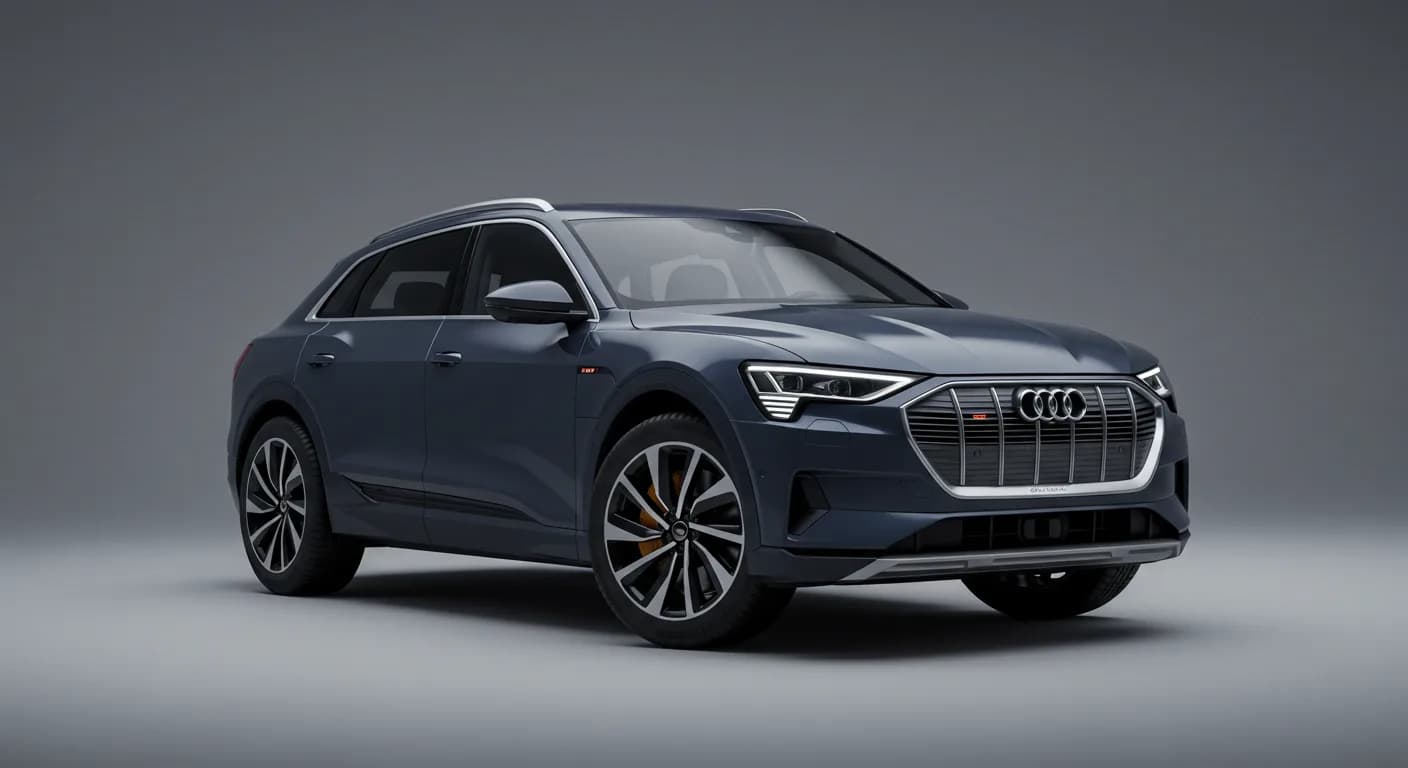
Şu araçlar için de geçerli
- Audi A3
- 2022–2024
- Audi A4
- 2021–2024
- Audi A4 allroad
- 2021–2024
- Audi A5
- 2021–2024
- Audi A6
- 2021–2024
- Audi A6 allroad
- 2021–2024
- Audi A7
- 2021–2024
- Audi A7 e
- 2021–2022
- Audi A8 L e
- 2021
- Audi e-tron
- 2021, 2023
- Audi e-tron GT
- 2022–2024
- Audi e-tron Sportback
- 2021–2022
- Audi Q3
- 2021–2024
- Audi Q5
- 2021–2024
- Audi Q5 e
- 2021, 2023, 2024
- Audi Q7
- 2021–2024
- Audi Q8
- 2021–2024
- Audi R8
- 2021–2023
- Audi RS 3
- 2022–2024
- Audi RS 5
- 2021–2024
- Audi RS 6 Avant
- 2021–2024
- Audi RS 7
- 2021–2024
- Audi RS e-tron GT
- 2022–2024
- Audi RS Q8
- 2021–2024
- Audi S3
- 2022–2024
- Audi S4
- 2021–2024
- Audi S5
- 2021–2024
- Audi S6
- 2021–2024
- Audi S7
- 2021–2024
- Audi S8
- 2021–2024
- Audi SQ5
- 2021–2024
- Audi SQ7
- 2021–2024
- Audi SQ8
- 2021–2024
- Audi TT
- 2021–2023
- Audi TT RS
- 2021–2022
- Audi TTS
- 2021–2023
▸ 30 tane daha göster▾ Daha az göster
Audi has issued Technical Service Bulletin (TSB) 2047920/10 to address customer complaints of various noises originating from the front end and dash panel of 2022-2024 Audi vehicles while in motion. This TSB, which supersedes previous bulletin 24-75 dated March 8, 2024, provides guidance for diagnosing and repairing these issues, often linked to mechanical damage in the front axle wheel bearings. If you're experiencing an Audi e-tron front end noise, this bulletin offers important insights.
Symptoms
Owners may notice several types of noises from the front of their vehicle. These include:
- "a buzzing, booming, humming, whistling, or a similar noise from the front end."
- Noises that can be heard from the steering area or behind the dash panel.
- Noises that might be perceived as tire rolling noises.
Technicians have confirmed that these noises are reproducible during a test drive, indicating a consistent underlying issue.
Diagnosis
Diagnosing the source of an Audi e-tron front end noise can be challenging, as wheel bearing noises can be transmitted through the steering system into the vehicle interior, making them difficult to distinguish from tire rolling noises. To accurately pinpoint the problem, technicians are advised to consider the following diagnostic questions:
- Does the frequency or sound of the noise increase with vehicle speed?
- Does the noise become louder when steering?
- Is the noise still present when slowing down?
- Is the noise amplified on the steering wheel or airbag well?
- Can vibrations be felt on the unpressed coil spring when the wheel is turning?
Audi recommends using specialized tools like acoustic testers and/or a PICO tool to precisely locate the noise source. This helps ensure that the correct component is identified for repair.
Important Warnings
- Do not replace front wheel bearings in pairs. The TSB explicitly states: "The front wheel bearings should not be replaced in pairs." Only the affected bearing should be replaced.
- A noise perceived on one side of the vehicle, for example, the left side, could actually be caused by a faulty wheel bearing on the opposite side, such such as the right wheel bearing. Technicians should use diagnostic tools to confirm the exact source.
- If the noise cannot be traced to a wheel bearing, further analysis of other components is required.
Repair Procedure Summary
Once a front axle wheel bearing is identified as the source of the noise, the repair involves replacing the affected component. The general procedure includes:
- Noise Analysis: Conduct a thorough noise analysis using a PICO tool (Labor Operation 0161 00XX).
- Road Test: Perform a road test before the service procedure (Diagnostic Time 0121 0002, 10 TU).
- Wheel Bearing Replacement: Remove and install the wheel hub with the bearing. Specific labor operations vary by model:
- For Audi A3, Q3, Q4 e-tron, and TT models, use Labor Operation 4067 19XX (for single wheel hub with bearing) or 4067 20XX (for 2-wheel hub with bearings).
- For all other Audi models, use Labor Operation 4057 55XX (for single wheel bearing replacement) or 4057 56XX (for 2-wheel bearing replacement).
- Post-Repair Road Test: Conduct a road test after the service procedure to confirm the noise is resolved (Diagnostic Time 0121 0004, 10 TU).
Required Parts and Tools
Technicians will need to consult ETKA (Audi's electronic parts catalog) for the specific part numbers for wheel bearings. Additionally, fasteners, bolts, nuts, and screws should be obtained as needed per the repair manual and ETKA/ELSA. Only one wheel bearing is typically required for replacement, as they should not be replaced in pairs.
Warranty Information
This repair is covered under Audi's warranty for up to 48 months or 50,000 miles, whichever comes first. For Certified Pre-Owned (CPO) vehicles, the claim type is G10, and owner verification is required. If the vehicle is outside of warranty, this Technical Service Bulletin 2047920/10 serves as informational guidance only. The Service Number for this issue is 4057, and the Damage Code is 0020. All warranty claims must adhere to the Audi Warranty Policies and Procedures Manual.
NHTSA ID: 11002123
Frequently Asked Questions
- What kind of noises does Audi TSB 2047920/10 address?
- Audi TSB 2047920/10 addresses "buzzing, booming, humming, whistling, or a similar noise from the front end" of the vehicle, which may also be heard from the steering area, dash panel, or perceived as tire rolling noises.
- What is the common cause of the Audi e-tron front end noise according to the TSB?
- The common cause for the Audi e-tron front end noise, as well as other 2022-2024 Audi models, is mechanical damage to the wheel bearings of the front axle.
- Should both front wheel bearings be replaced if only one is faulty?
- No, Audi TSB 2047920/10 explicitly states that "The front wheel bearings should not be replaced in pairs." Only the affected wheel bearing should be replaced after proper diagnosis.
- How do technicians diagnose the front end noise described in TSB 2047920/10?
- Technicians diagnose the noise by asking specific questions about its characteristics (e.g., if it changes with speed or steering) and by using specialized tools like acoustic testers and PICO tools to precisely locate the source. A road test is also performed before and after the repair.
Related Articles
2022 Audi e-tron Problems: Electrical System & Braking Concerns
The 2022 Audi e-tron has faced significant owner complaints regarding its electrical system, including sudden power loss and charging hazards, as well as various braking malfunctions. This profile details these issues and relevant service bulletins.
2022-2026 Audi Guided Fault Finding Reporting Obligation
Audi has issued Technical Service Bulletin TPI 2033392, also known as Transaction No. 2081531/1, regarding a reporting obligation for technicians when Guided Fault Finding produces an unexpected result. This TSB outlines the process for contacting Audi Product Support for diagnostic assistance.
2022-2026 Audi Infotainment System Complaints
Audi has released Technical Service Bulletin (TSB) 2081405/1 to address various customer complaints regarding infotainment systems in 2022-2026 Audi vehicles. This TSB helps technicians diagnose issues often caused by external media or mobile devices, rather than vehicle technology.
2018-2026 Audi Models Cracking Noise TSB 2061464/11
Audi Technical Service Bulletin 2061464/11 describes a cracking noise from the front or rear axle when changing direction in various 2018-2026 Audi models. The issue is due to stub axle movement and is resolved by bonding the stub axle to the wheel bearing with locking fluid.
2022-2026 Audi Parking Aid False Warnings TSB 2024323/13
Audi has released Technical Service Bulletin 2024323/13 to address customer complaints of false parking aid warnings. This bulletin details various environmental and vehicle-specific conditions that can cause the parking aid system to issue alerts even when no obstacles are present. It provides…
Yorum bırakın
Yorumlar moderasyondan geçer ve görünmesi biraz zaman alabilir. Sadece adınız ve soyadınızın baş harfi herkese açık olarak gösterilir.
Yorumlar
İlk yorum sizden olsun.