2022-2024 Audi AC Refrigerant Leak Diagnostic TSB
Audi Technical Service Bulletin 2064077/2 outlines an improved calibration gas method for diagnosing AC refrigerant leaks in 2022-2024 Audi models experiencing insufficient cooling. This new method enhances leak detection, especially for hard-to-reach evaporator core issues.
 Ahmet Topcu2022 Audi e-tron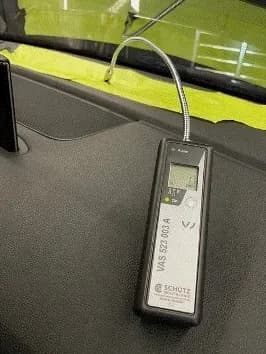
Gilt auch für
- Audi A3
- 2022–2024
- Audi A4
- 2021–2024
- Audi A4 allroad
- 2021–2024
- Audi A5
- 2021–2024
- Audi A6
- 2021–2024
- Audi A6 allroad
- 2021–2023
- Audi A7
- 2021–2024
- Audi A7 e
- 2021–2022
- Audi A8 L e
- 2021
- Audi e-tron
- 2021, 2023
- Audi e-tron GT
- 2022–2024
- Audi Q3
- 2021–2024
- Audi Q5
- 2021–2024
- Audi Q5 e
- 2024
- Audi Q7
- 2021–2024
- Audi Q8
- 2021–2024
- Audi R8
- 2021–2023
- Audi RS 3
- 2023–2024
- Audi RS 5
- 2021–2024
- Audi RS 6 Avant
- 2021–2024
- Audi RS 7
- 2021–2024
- Audi RS e-tron GT
- 2022–2024
- Audi RS Q8
- 2021–2024
- Audi S3
- 2022–2024
- Audi S4
- 2021–2024
- Audi S5
- 2021–2024
- Audi S6
- 2021–2024
- Audi S7
- 2021–2024
- Audi S8
- 2021–2024
- Audi SQ5
- 2021–2024
- Audi SQ7
- 2021–2024
- Audi SQ8
- 2021–2024
- Audi TT
- 2021–2023
- Audi TT RS
- 2021–2022
- Audi TTS
- 2021–2023
▸ 29 weitere anzeigen▾ Weniger anzeigen
Symptoms
Owners may experience the following issues with their vehicle's air conditioning system:
- Insufficient cabin cooling capacity.
- The air conditioning system is without function.
These symptoms often point to a refrigerant circuit leak, which this Technical Service Bulletin (TSB) aims to help diagnose more effectively, especially for an Audi AC refrigerant leak.
Diagnosis / Trigger Conditions
Traditionally, diagnosing refrigerant circuit leaks involved adding contrast dye, using electronic halogen leak detectors, or applying soap solutions. However, these methods can be unreliable, particularly when trying to detect a leak in the evaporator core, which is concealed and difficult to access. False-positive readings are common with halogen detectors for evaporator core leaks.
This TSB introduces an additional diagnostic method using calibration gas (a mixture of 95% nitrogen and 5% hydrogen) and an electronic hydrogen detector (VAS523003A). This method is more effective for diagnosing leaks in hard-to-reach areas of the refrigerant circuit, such as the evaporator core. A significantly lesser amount of refrigerant recovered (more than 50% of the total volume lost) indicates an active Audi AC refrigerant leak.
Important Warnings
Audi has issued several critical warnings regarding the diagnostic procedure outlined in this TSB:
- Calibration Gas Handling: "Extreme caution must be exercised when handling and using calibration gas. The hydrogen component of the gas mixture is flammable. Failure to employ proper handling and use protocol invites the risk of serious personal injury or death."
- AC System Activation: "The air conditioning system must not be activated while the circuit is charged with calibration gas. Running the air conditioning system while it is charged with calibration gas will damage the compressor."
- Vehicle Operation: "If necessary apply a warning sign to the vehicle stating “Do Not Run” or a similar warning to prevent accidental operation while the circuit is filled with calibration gas for the purposes of diagnosis."
- High Voltage Systems: "High voltage increases the risk of fatal injury. Severe bodily injury or death by electrocution or electric arcs is possible. Have an Audi high-voltage technician or an Audi high-voltage expert bring the high-voltage system back into service."
- Q5 Evaporator Replacement: If replacing the evaporator in a Q5, it is "critically important that this relay and fuse carrier in particular be reinstalled in its correct original position. Failure to reinstall the Relay and Fuse Carrier 3 precisely will result in water intrusion and subsequent component damage."
Repair Procedure Summary
This TSB outlines a detailed procedure for diagnosing an Audi AC refrigerant leak using calibration gas. The process involves several steps:
- Refrigerant Recovery: If the vehicle exhibits insufficient cooling, recover the remaining refrigerant and compare the amount to the specified volume. A significant loss indicates an active leak.
- Calibration Gas Preparation: Obtain a tank of calibration gas (95% nitrogen / 5% hydrogen) from a local supplier (e.g., Airgas®).
- Pressure Regulator Connection: Connect the VAS 584005 pressure regulator to the calibration gas tank. Ensure the tank valve remains closed initially.
- HVAC System Setup: Set the HVAC system to full defrost, close all instrument panel vents, and ensure the fresh air intake is in recirculation mode. Completely close the cabin (windows, sunroof, doors, rear lid) and turn off the vehicle (key off, no blower activation).
- High Voltage De-energization: For high voltage vehicles, de-energize the high voltage system before proceeding.
- Circuit Connection: Use the NITROKITG service hose and the appropriate high side service port snap coupler for either R134a or R1234yf refrigerant systems to connect to the vehicle's refrigerant circuit.
- Circuit Evacuation: Evacuate the vehicle's refrigerant circuit for 15 minutes to ensure it is free of refrigerant.
- Calibration Gas Charging: Connect the VAS 584005 Pressure Reducer to the NITROKITG manifold and fill the circuit with calibration gas to an absolute pressure of no greater than 14 bar.
- Equalization Period: Allow the circuit pressure to equalize for 20 minutes before starting leak detection.
- Leak Detection: Begin leak detection using the VAS 523003A gas leak detector. Start by closing off defroster outlets with masking tape, leaving a small opening for the detector probe. The detector reacts to the hydrogen component of the calibration gas.
- Further Diagnosis: If no leak is detected through the defroster outlet, the evaporator core is not the source of the leak and should not be replaced. Continue diagnosis on all other components of the refrigerant circuit.
- Post-Diagnosis: Once all leak sources are identified, close the calibration gas tank valve. Slowly ventilate any remaining calibration gas until the circuit pressure equalizes with atmospheric pressure. Then, proceed with necessary repairs, evacuate the refrigerant circuit, and recharge the system.
- Q5 Specific Note: If an evaporator replacement is performed on a Q5, ensure the Relay and Fuse Carrier 3 -SR3- is correctly reinstalled to prevent water intrusion and component damage.
- High Voltage Re-energization: If applicable, have an Audi high-voltage technician or expert re-energize the high-voltage system.
Required Tools or Parts
Technicians will require specific tools for this diagnostic procedure:
- VAS581009: R744 CO2 A/C Service Unit (though the TSB focuses on R134a/R1234yf, this unit is mentioned in the context of the AT-448 Tool Set for R744 systems, which can be adapted).
- VAS584005: Pressure Reducer and Hose (suitable for flammable components).
- NITROKITG: Automotive A/C Nitrogen Leak Test Kit (includes service hose and high side service port snap coupler).
- VAS523003A: Gas Leak Detector.
- Calibration Gas: A tank of 95% nitrogen / 5% hydrogen, to be sourced locally (e.g., Airgas®).
Warranty Information
Warranty claims for this procedure are subject to the following conditions:
- Coverage is typically for 110 up to 48 Months/50,000 Miles.
- For Certified Pre-Owned (CPO) vehicles, use claim type G10 and verify owner eligibility.
- If the vehicle is outside of any warranty, this Technical Service Bulletin is for informational purposes only, and the repair will not be covered under warranty.
- All warranty claims must comply with the Audi Warranty Policies and Procedures Manual.
Superseded Bulletin
This Technical Service Bulletin, 2064077/2, dated August 18, 2023, supersedes Technical Service Bulletin Group 87 number 22-24 dated April 15, 2022. The revision includes adding Model Year 2024 to the header, suggestions for relay and fuse carrier, and an updated warranty table.
Galerie
7 Bilder
Frequently Asked Questions
- What is the purpose of Audi TSB 2064077/2?
- Audi TSB 2064077/2 describes an enhanced diagnostic method for identifying refrigerant circuit leaks in R134a and R1234yf AC systems, which often cause insufficient cabin cooling. It introduces the use of calibration gas for more accurate leak detection, especially for hard-to-reach evaporator core leaks.
- What are the symptoms of an AC refrigerant leak addressed by this TSB?
- The primary symptom is insufficient cabin cooling capacity or a complete lack of air conditioning function. If your Audi's AC is not cooling as it should, it could indicate an Audi AC refrigerant leak.
- What specific tools are required for this new diagnostic method?
- The diagnostic procedure requires specialized tools including the VAS584005 Pressure Reducer, the NITROKITG Automotive A/C Nitrogen Leak Test Kit, and the VAS523003A Gas Leak Detector. Calibration gas (95% nitrogen / 5% hydrogen) is also necessary.
- Are there any safety precautions to be aware of during this diagnostic process?
- Yes, extreme caution is advised when handling calibration gas due to its flammable hydrogen component. It is also critical not to activate the AC system while it's charged with calibration gas, as this can damage the compressor. For high-voltage vehicles, the system must be de-energized by a qualified technician.
- How does the calibration gas method improve leak detection for an Audi AC refrigerant leak?
- The calibration gas method, using 95% nitrogen and 5% hydrogen with a VAS523003A electronic hydrogen detector, is more effective than traditional methods. Hydrogen is lighter than air, allowing the detector to pinpoint leaks more accurately, especially in difficult-to-access areas like the evaporator core where other methods are often unreliable.
Related Articles
2022 Audi e-tron Problems: Electrical System & Braking Concerns
The 2022 Audi e-tron has faced significant owner complaints regarding its electrical system, including sudden power loss and charging hazards, as well as various braking malfunctions. This profile details these issues and relevant service bulletins.
2022-2026 Audi Guided Fault Finding Reporting Obligation
Audi has issued Technical Service Bulletin TPI 2033392, also known as Transaction No. 2081531/1, regarding a reporting obligation for technicians when Guided Fault Finding produces an unexpected result. This TSB outlines the process for contacting Audi Product Support for diagnostic assistance.
2022-2026 Audi Infotainment System Complaints
Audi has released Technical Service Bulletin (TSB) 2081405/1 to address various customer complaints regarding infotainment systems in 2022-2026 Audi vehicles. This TSB helps technicians diagnose issues often caused by external media or mobile devices, rather than vehicle technology.
2018-2026 Audi Models Cracking Noise TSB 2061464/11
Audi Technical Service Bulletin 2061464/11 describes a cracking noise from the front or rear axle when changing direction in various 2018-2026 Audi models. The issue is due to stub axle movement and is resolved by bonding the stub axle to the wheel bearing with locking fluid.
2022-2026 Audi Parking Aid False Warnings TSB 2024323/13
Audi has released Technical Service Bulletin 2024323/13 to address customer complaints of false parking aid warnings. This bulletin details various environmental and vehicle-specific conditions that can cause the parking aid system to issue alerts even when no obstacles are present. It provides…
Leave a comment
Comments are moderated and may take a moment to appear. Only your first name and the initial of your last name are shown publicly.
Comments
Be the first to comment.