2012-2023 Audi Brake Noise Analysis TSB
This Technical Service Bulletin (TSB) 2034181/23 addresses various brake noise issues in 2012-2023 Audi vehicles, including squealing, grinding, and thumping. It outlines diagnostic steps, common causes, and a detailed cleaning procedure for brake pads and discs.
 Marcus Weber2023 Audi e-tron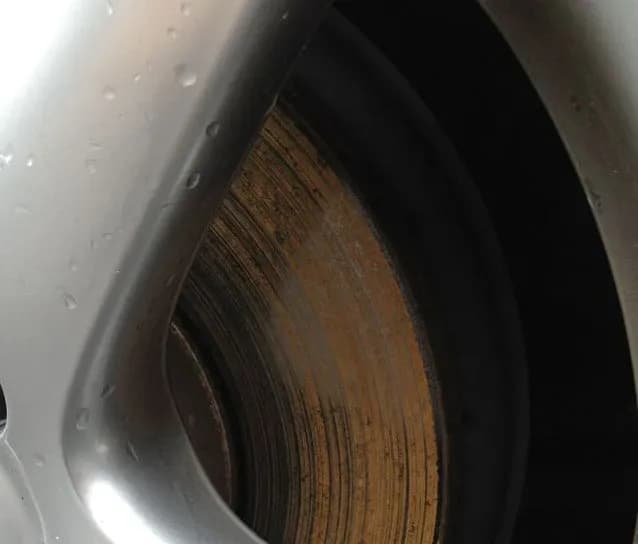
Também se aplica a
- Audi A3
- 2022–2023
- Audi A4
- 2021–2023
- Audi A4 allroad
- 2021–2022
- Audi A5
- 2021–2023
- Audi A6
- 2021–2023
- Audi A6 allroad
- 2021–2022
- Audi A7
- 2021–2023
- Audi A7 e
- 2021–2022
- Audi A8 L e
- 2021
- Audi e-tron
- 2021–2022
- Audi e-tron GT
- 2022–2023
- Audi Q3
- 2021–2023
- Audi Q5
- 2021, 2023
- Audi Q7
- 2021–2023
- Audi Q8
- 2021–2023
- Audi R8
- 2021–2023
- Audi RS 3
- 2023
- Audi RS 5
- 2021–2023
- Audi RS 6 Avant
- 2021–2023
- Audi RS 7
- 2021–2023
- Audi RS e-tron GT
- 2022–2023
- Audi RS Q8
- 2021–2023
- Audi S3
- 2022–2023
- Audi S4
- 2021–2023
- Audi S5
- 2021–2023
- Audi S6
- 2021–2023
- Audi S7
- 2021–2023
- Audi S8
- 2021, 2023
- Audi SQ5
- 2021–2023
- Audi SQ7
- 2021–2023
- Audi SQ8
- 2021–2022
- Audi TT
- 2021–2023
- Audi TT RS
- 2021–2022
- Audi TTS
- 2021–2023
▸ Mostrar mais 28▾ Mostrar menos
Symptoms of Audi Brake Noise
Owners of 2012-2023 Audi vehicles may experience various types of Audi brake noise from the front or rear brakes. These noises can manifest as:
- Squealing
- Squeaking
- Grinding
- Groaning
- Thumping
- Creaking
Revision History
This Technical Service Bulletin (TSB) 46 23 41 2034181/23, dated February 7, 2023, supersedes TSB Group 46 number 22-34 dated August 11, 2022. Key revisions include:
- Revision 23 (February 7, 2023): Revised Warranty (Updated Labor Operations).
- Revision 22 (August 11, 2022): Revised Warranty (Updated Labor Operations).
- Revision 21 (June 3, 2022): Revised Service (Updated Procedure).
Important Warnings for Owners
- DO NOT use this TSB if there is another brake noise TSB specifically applicable to your vehicle's VIN. Always ensure the correct bulletin is being followed.
- DO NOT alter the brake pads when performing the cleaning procedure outlined in this bulletin.
- If your vehicle is outside of its warranty period, this Technical Service Bulletin is for informational purposes only, meaning repairs may not be covered under warranty.
Common Causes of Brake Noise
Audi has identified several common reasons for brake noise, which technicians should investigate during diagnosis. These include:
- Wear Limit: Brake discs or brake pads are close to or below their recommended wear limit.
- Improper Embedding: New brake pads and/or discs have not been properly embedded after installation.
- Aftermarket Parts: Installation of non-OEM aftermarket pads or discs.
- Debris: Presence of foreign material such as small stones, grit, road salt, or sand between the brake disc and brake pad.
- Rust: Discs covered with rust, which can form when the vehicle has not been driven for an extended period (Figure 1 in the TSB illustrates this).
- Grooved Discs: Brake discs that have developed grooves (Figure 2 in the TSB shows an example).
- Chemical Contamination: Chemical residue on the braking surface of the brake disc, often due to wheel or tire cleaner being sprayed directly onto the disc (Figures 3 and 4 in the TSB depict discoloration and spots).
- Pad Marks:
Galeria
9 imagens
Frequently Asked Questions
- What should I do if my 2012-2023 Audi has brake noise?
- If your 2012-2023 Audi is experiencing brake noise, it's recommended to have it inspected by an authorized Audi service center. They will follow the diagnostic steps outlined in TSB 46 23 41 2034181/23 to identify the cause and perform the appropriate cleaning or repair.
- What are the common types of brake noise addressed by this TSB?
- This TSB addresses various brake noises such as squealing, squeaking, grinding, groaning, thumping, and creaking. These noises are often related to wear, debris, or contamination of the brake components, which can lead to common Audi brake noise issues.
- Are there specific brake system frequencies mentioned in the TSB?
- Yes, the TSB mentions specific noise frequencies for different brake systems. For ATE-TEVES systems, 1.6 KHz, 3.2 KHz, and 11 KHz are noted. For TRW systems, frequencies like 1.6-1.7 KHz, 3.2 KHz, and 7.8 KHz are discussed, each with specific inspection recommendations, including the use of anti-seize paste G052560A2 for some TRW systems.
- Will this brake noise repair be covered under warranty?
- The TSB indicates that warranty claims are subject to Audi Warranty Policies and Procedures. It also states that if your vehicle is outside of the 110 up to 12 Months/12,000 Miles warranty period, this bulletin is for informational purposes only, implying the repair may not be covered.
- What tools or procedures are used to diagnose Audi brake noise?
- Diagnosis involves visually inspecting brake components, determining the noise location, and obtaining sound or video recordings using the Audi analysis app (referencing TSB 2051095). Technicians will also complete a detailed questionnaire and may perform specific ABS stops to reproduce and analyze the noise.
Related Articles
Should 2023 Audi e-tron Owners Worry? Recall & TSB Roundup
The 2023 Audi e-tron faces significant safety concerns, including recalls for potential brake pedal detachment and charging cable overheating. Owners have also reported serious issues like unintended acceleration and electrical system malfunctions. This guide covers all known problems and solutions.
2023 Audi e-tron Brake Pedal Recall
Audi has issued a recall (NHTSA ID: 26V240000, Audi Recall 46P7) for certain 2019-2024 E-Tron and 2020-2024 E-Tron Sportback vehicles, including the 2023 Audi e-tron. The recall addresses a potential issue where the brake pedal may detach from the brake booster, leading to a loss of brake function.
2015-2027 Audi Noise Diagnosis with Frequency Analysis App TSB
Audi has released Technical Service Bulletin 2051095/11 detailing the Audi Frequency Analysis app. This app helps technicians diagnose noise complaints more precisely across 2015-2027 Audi models. Learn how the app works, where to download it, and its features for effective vehicle noise analysis.
2023 Audi e-tron AC/DC Charging Not Possible TSB
This manufacturer communication (NHTSA ID 11031035) provides critical information for 2023 Audi e-tron owners facing issues with AC/DC charging. It specifically highlights problems linked to software version 00C6: 0093/3119, which can prevent the vehicle from charging.
2023-2025 Audi Rear Seat Reminder Message TSB 2074943/2
Audi Technical Service Bulletin 2074943/2 explains the instrument cluster message 'Please check rear seats and be aware of door safelock' in various 2023-2025 Audi models. This informational TSB details the rear occupant detection system designed to prevent children and pets from being left in…
Leave a comment
Comments are moderated and may take a moment to appear. Only your first name and the initial of your last name are shown publicly.
Comments
Be the first to comment.