2022-2023 Audi Brake Disc Corrosion TSB
Audi has issued Technical Service Bulletin 2067132/1 to address corrosion on steel brake discs in 2022-2023 models. This TSB details symptoms like rust layers and braking noises, explains the causes, and provides a service procedure for diagnosis and repair, including specific test drive steps.
 Sarah Mitchell2023 Audi e-tron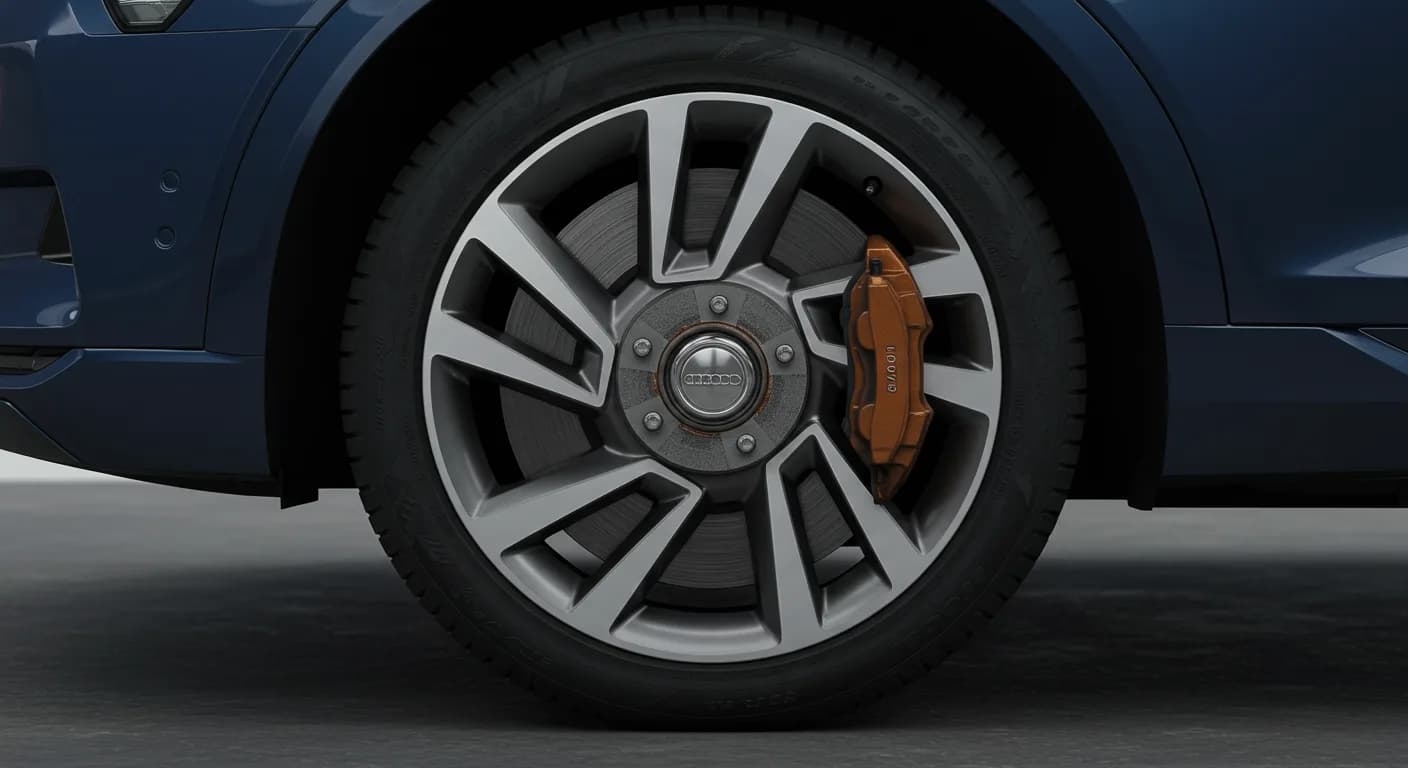
Also applies to
- Audi A3
- 2022–2023
- Audi A4
- 2021–2023
- Audi A4 allroad
- 2021
- Audi A5
- 2021–2023
- Audi A6
- 2021–2023
- Audi A6 allroad
- 2021
- Audi A7
- 2021–2023
- Audi A7 e
- 2021–2022
- Audi A8 L e
- 2021
- Audi e-tron
- 2021–2022
- Audi e-tron GT
- 2022–2023
- Audi Q3
- 2021–2023
- Audi Q5
- 2021
- Audi Q7
- 2021–2023
- Audi Q8
- 2021–2023
- Audi R8
- 2021–2023
- Audi RS 3
- 2023
- Audi RS 5
- 2021–2023
- Audi RS 6 Avant
- 2021–2023
- Audi RS 7
- 2021–2023
- Audi RS e-tron GT
- 2022–2023
- Audi RS Q8
- 2021–2023
- Audi S3
- 2022–2023
- Audi S4
- 2021–2023
- Audi S5
- 2021–2023
- Audi S6
- 2021–2023
- Audi S7
- 2021–2023
- Audi S8
- 2021, 2023
- Audi SQ5
- 2021–2023
- Audi SQ7
- 2021–2023
- Audi SQ8
- 2021–2022
- Audi TT
- 2021–2023
- Audi TT RS
- 2021–2022
- Audi TTS
- 2021–2023
▸ Show 28 more▾ Show fewer
Owners of 2022-2023 Audi vehicles may encounter issues related to Audi brake disc corrosion, manifesting as visible rust layers or unusual noises during braking. This Technical Service Bulletin (TSB) 2067132/1, issued on May 23, 2022, provides guidance for technicians on diagnosing and addressing these concerns.
Symptoms
Customers may report the following conditions:
- A visible "Rust layer on the brake disc."
- "Noises and/or vibrations when braking."
Upon inspection, the workshop should be able to confirm these complaints.
Technical Background
Understanding the underlying causes of Audi brake disc corrosion is crucial for effective diagnosis and prevention. Corrosion on the friction surface of steel brake discs can occur due to several factors:
- Environmental Exposure: Moisture and road salt significantly contribute to corrosion, especially if the vehicle is stationary for extended periods.
- Braking Habits: Light use of the brakes during short journeys can lead to insufficient brake cleaning, allowing rust to accumulate.
- Material Properties: The brake disc material, identified as "flake graphite cast iron," is inherently not resistant to corrosion.
- Design Limitations: It is not possible to apply an anti-corrosion coating directly to the friction surfaces of the brake disc.
Brake discs are constantly exposed to environmental influences such as water, salt, snow, and dirt, making them susceptible to these issues.
Diagnosis and Repair Procedure Summary
If you are experiencing symptoms of Audi brake disc corrosion, an authorized Audi service center will perform a specific diagnostic and repair procedure:
- Extensive Test Drive: Technicians will conduct an extensive test drive involving several brake operations to assess the condition.
- ABS Stops: With careful consideration of traffic conditions, 2-3 ABS stops will be performed from speeds above 50 mph. It is critical to allow brake components to cool by driving the vehicle for more than one minute at speeds greater than 50 mph between each stop.
- Pad Contact Check: The technician will check that the brake pads make correct contact with the disc, ensuring they are cleaning the entire surface of the brake disc.
- Component Replacement: If the rust layer or noises persist and the condition is not eliminated after the test drive and cleaning attempts, the brake disc and pads will be replaced.
Important Warnings
Owners and technicians should be aware of the following critical information:
- New Pads/Discs: "Do not perform ABS stops if brand new pads and/or discs are installed." This is crucial to prevent damage or improper bedding of new components.
- Warranty Coverage: This TSB is informational only and is "not applicable to any Audi Warranty." Owners should be prepared for potential costs associated with diagnosis and repair.
Owner Action
If you observe a rust layer on your brake discs or experience noises and vibrations when braking, it is recommended to contact your local authorized Audi service center. They can perform the necessary diagnostic procedures outlined in TSB 2067132/1 to determine the cause and recommend appropriate action.
Source: NHTSA ID 10212144
Frequently Asked Questions
- What causes Audi brake disc corrosion?
- Corrosion on Audi steel brake discs is often caused by moisture, road salt, prolonged stationary periods, or light braking that doesn't sufficiently clean the disc surface. The material, flake graphite cast iron, is not inherently corrosion-resistant.
- What should I do if my Audi's brake discs have a "rust layer on the brake disc" or make noise?
- If you notice a rust layer or hear noises during braking, consult an authorized Audi service center. They will perform a diagnostic test drive, including specific braking procedures, to assess the condition and determine if replacement is needed, as outlined in TSB 2067132/1.
- Is this Audi brake disc corrosion issue covered under warranty?
- According to Technical Service Bulletin 2067132/1, this TSB is informational only and the condition is not applicable to any Audi Warranty. Owners may be responsible for the cost of diagnosis and repair.
- Can I prevent Audi brake disc corrosion?
- Audi recommends maintaining brake discs according to your Owner's Manual, which includes regularly removing corrosion and avoiding overuse by intensive braking. Consistent, moderate braking helps keep the disc surfaces clean.
- What is TSB 2067132/1 about?
- TSB 2067132/1 is an Audi Technical Service Bulletin that provides guidance to technicians on diagnosing and addressing corrosion on the friction surface of steel brake discs, which can lead to rust layers and braking noises in 2022-2023 Audi models.
Related Articles
Should 2023 Audi e-tron Owners Worry? Recall & TSB Roundup
The 2023 Audi e-tron faces significant safety concerns, including recalls for potential brake pedal detachment and charging cable overheating. Owners have also reported serious issues like unintended acceleration and electrical system malfunctions. This guide covers all known problems and solutions.
2023 Audi e-tron Brake Pedal Recall
Audi has issued a recall (NHTSA ID: 26V240000, Audi Recall 46P7) for certain 2019-2024 E-Tron and 2020-2024 E-Tron Sportback vehicles, including the 2023 Audi e-tron. The recall addresses a potential issue where the brake pedal may detach from the brake booster, leading to a loss of brake function.
2015-2027 Audi Noise Diagnosis with Frequency Analysis App TSB
Audi has released Technical Service Bulletin 2051095/11 detailing the Audi Frequency Analysis app. This app helps technicians diagnose noise complaints more precisely across 2015-2027 Audi models. Learn how the app works, where to download it, and its features for effective vehicle noise analysis.
2023 Audi e-tron AC/DC Charging Not Possible TSB
This manufacturer communication (NHTSA ID 11031035) provides critical information for 2023 Audi e-tron owners facing issues with AC/DC charging. It specifically highlights problems linked to software version 00C6: 0093/3119, which can prevent the vehicle from charging.
2023-2025 Audi Rear Seat Reminder Message TSB 2074943/2
Audi Technical Service Bulletin 2074943/2 explains the instrument cluster message 'Please check rear seats and be aware of door safelock' in various 2023-2025 Audi models. This informational TSB details the rear occupant detection system designed to prevent children and pets from being left in…
Leave a comment
Comments are moderated and may take a moment to appear. Only your first name and the initial of your last name are shown publicly.
Comments
Be the first to comment.