2022-2023 Audi Shock Absorber Oil Appearance TSB
An informational bulletin from Audi addresses why oil may appear on shock absorbers in various 2022-2023 models, including the Audi e-tron. This TSB provides knowledge to understand this common observation and whether it indicates a problem.
 Marcus Weber2023 Audi e-tron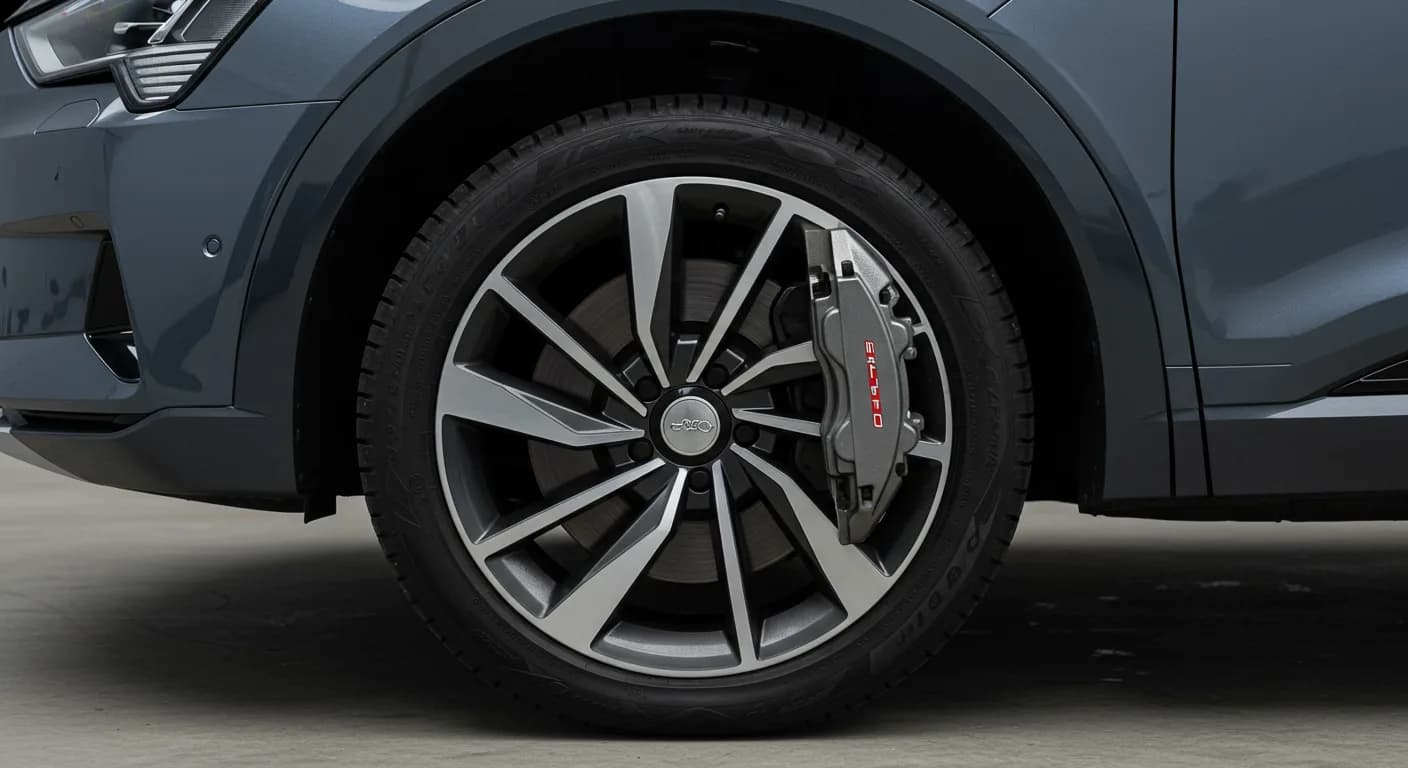
Também se aplica a
- Audi A3
- 2022–2023
- Audi A4
- 2021–2023
- Audi A4 allroad
- 2021
- Audi A5
- 2021–2023
- Audi A6
- 2021–2023
- Audi A6 allroad
- 2021
- Audi A7
- 2021–2023
- Audi A7 e
- 2021–2022
- Audi A8 L e
- 2021
- Audi e-tron
- 2021–2022
- Audi e-tron GT
- 2022–2023
- Audi Q3
- 2021–2023
- Audi Q5
- 2021
- Audi Q7
- 2021–2023
- Audi Q8
- 2021–2023
- Audi R8
- 2021–2023
- Audi RS 3
- 2023
- Audi RS 5
- 2021–2023
- Audi RS 6 Avant
- 2021–2023
- Audi RS 7
- 2021–2023
- Audi RS e-tron GT
- 2022–2023
- Audi RS Q8
- 2021–2023
- Audi S3
- 2022–2023
- Audi S4
- 2021–2023
- Audi S5
- 2021–2023
- Audi S6
- 2021–2023
- Audi S7
- 2021–2023
- Audi S8
- 2021–2023
- Audi SQ5
- 2021–2023
- Audi SQ7
- 2021–2023
- Audi SQ8
- 2021–2023
- Audi TT
- 2021–2023
- Audi TT RS
- 2021–2022
- Audi TTS
- 2021–2023
▸ Mostrar mais 28▾ Mostrar menos
Audi has released an informational bulletin concerning the appearance of oil on shock absorbers in various 2022-2023 models, including the Audi e-tron. This bulletin, identified by NHTSA ID 10209242, aims to provide technicians and owners with knowledge regarding this observation.
Understanding the Informational Bulletin
This bulletin specifically addresses the phenomenon of oil potentially appearing on one or more shock absorbers. It is an informational document, meaning it provides insight and understanding rather than detailing a specific defect or repair procedure. The purpose is to explain the reasons why such oil might be visible, helping to differentiate between normal operational characteristics and an actual issue requiring service.
For owners concerned about the presence of Audi e-tron shock oil, this bulletin serves as a resource for understanding the underlying causes. It helps clarify whether the observed oil is a normal condition or an indicator of a problem with the suspension component.
What Owners Should Know
If you notice oil on your vehicle's shock absorbers, it's important to understand that this informational bulletin provides context. The presence of some oil might be explained by the knowledge contained within the TSB. However, without the full details of the bulletin, it's not possible to definitively state whether your specific observation is normal or indicates a leak. The bulletin offers guidance on why this might occur.
Next Steps for Owners
If you observe oil on your shock absorbers and are concerned, especially if it appears to be more than a slight residue or if you notice changes in your vehicle's ride quality, it is recommended to have your vehicle inspected by an authorized Audi service facility. They can consult the full informational bulletin and determine the cause of the Audi e-tron shock oil appearance on your specific vehicle.
Frequently Asked Questions
- What does the Audi informational bulletin 10209242 address?
- This informational bulletin from Audi provides knowledge regarding why oil may appear on one or several shock absorbers in various 2022-2023 Audi models, including the Audi e-tron.
- Is the appearance of Audi e-tron shock oil always a sign of a problem?
- Not necessarily. The informational bulletin aims to provide understanding on why oil might appear, suggesting that some instances may be normal. However, significant oil leakage or changes in vehicle handling should always be inspected.
- What should I do if I see oil on my Audi's shock absorbers?
- If you observe oil on your shock absorbers and are concerned, it is best to have your vehicle inspected by an authorized Audi service facility. They can consult the full TSB and determine if the observation is normal or requires attention.
Related Articles
Should 2023 Audi e-tron Owners Worry? Recall & TSB Roundup
The 2023 Audi e-tron faces significant safety concerns, including recalls for potential brake pedal detachment and charging cable overheating. Owners have also reported serious issues like unintended acceleration and electrical system malfunctions. This guide covers all known problems and solutions.
2023 Audi e-tron Brake Pedal Recall
Audi has issued a recall (NHTSA ID: 26V240000, Audi Recall 46P7) for certain 2019-2024 E-Tron and 2020-2024 E-Tron Sportback vehicles, including the 2023 Audi e-tron. The recall addresses a potential issue where the brake pedal may detach from the brake booster, leading to a loss of brake function.
2015-2027 Audi Noise Diagnosis with Frequency Analysis App TSB
Audi has released Technical Service Bulletin 2051095/11 detailing the Audi Frequency Analysis app. This app helps technicians diagnose noise complaints more precisely across 2015-2027 Audi models. Learn how the app works, where to download it, and its features for effective vehicle noise analysis.
2023 Audi e-tron AC/DC Charging Not Possible TSB
This manufacturer communication (NHTSA ID 11031035) provides critical information for 2023 Audi e-tron owners facing issues with AC/DC charging. It specifically highlights problems linked to software version 00C6: 0093/3119, which can prevent the vehicle from charging.
2023-2025 Audi Rear Seat Reminder Message TSB 2074943/2
Audi Technical Service Bulletin 2074943/2 explains the instrument cluster message 'Please check rear seats and be aware of door safelock' in various 2023-2025 Audi models. This informational TSB details the rear occupant detection system designed to prevent children and pets from being left in…
Leave a comment
Comments are moderated and may take a moment to appear. Only your first name and the initial of your last name are shown publicly.
Comments
Be the first to comment.