2016-2026 Audi Poor Bluetooth Voice Quality TSB
Audi has identified a software issue (TSB 2078728/1) affecting Bluetooth voice quality in 2016-2026 models when paired with iPhones running iOS 18.0-18.4.x. The solution involves updating your iPhone to iOS 18.5 or newer, with no vehicle repairs needed.
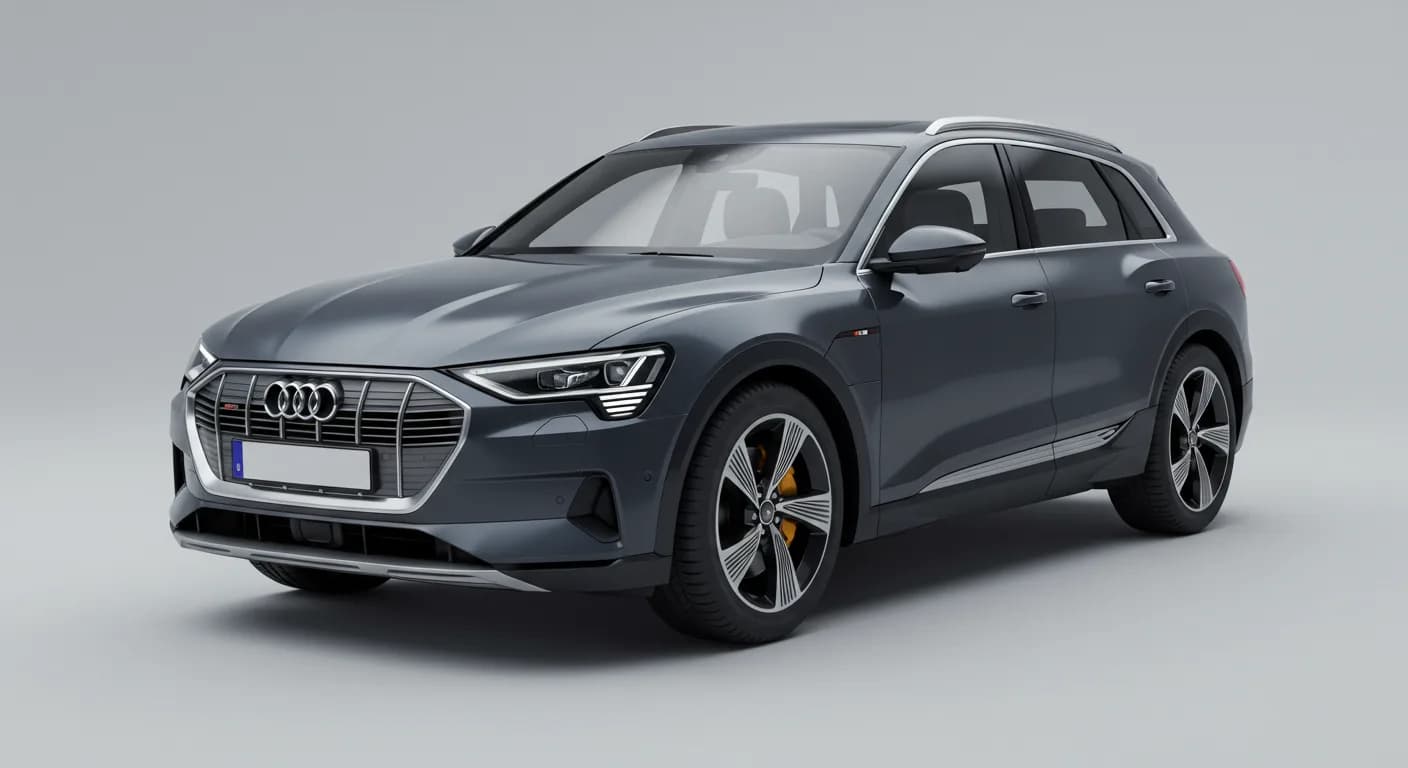
 David Chen2022 Audi e-tron
Şu araçlar için de geçerli
- Audi A3
- 2022–2026
- Audi A4
- 2021–2025
- Audi A4 allroad
- 2021–2025
- Audi A5
- 2021–2024
- Audi A6
- 2021–2025
- Audi A6 allroad
- 2021–2026
- Audi A7
- 2021–2025
- Audi A7 e
- 2021–2022
- Audi A8 L e
- 2021
- Audi e-tron
- 2021, 2023
- Audi e-tron GT
- 2022–2026
- Audi e-tron Sportback
- 2021–2022
- Audi Q3
- 2021–2025
- Audi Q5
- 2021–2025
- Audi Q5 e
- 2021, 2023, 2024, 2025
- Audi Q7
- 2021–2026
- Audi Q8
- 2021–2026
- Audi R8
- 2021–2023
- Audi RS 3
- 2022, 2023, 2024, 2026
- Audi RS 5
- 2021–2024
- Audi RS 6 Avant
- 2021–2026
- Audi RS 7
- 2021–2026
- Audi RS e-tron GT
- 2022, 2023, 2024, 2026
- Audi RS Q8
- 2021–2026
- Audi S e-tron GT
- 2026
- Audi S3
- 2022–2026
- Audi S4
- 2021–2025
- Audi S5
- 2021–2024
- Audi S6
- 2021–2025
- Audi S7
- 2021–2025
- Audi S8
- 2021–2026
- Audi SQ5
- 2021–2025
- Audi SQ7
- 2021–2026
- Audi SQ8
- 2021–2026
- Audi TT
- 2021–2023
- Audi TT RS
- 2021–2022
- Audi TTS
- 2021–2023
▸ 31 tane daha göster▾ Daha az göster
Owners of 2016-2026 Audi vehicles may experience an issue with poor Bluetooth voice quality during calls when their iPhone is connected via Bluetooth. This problem, documented in Audi Technical Service Bulletin (TSB) 2078728/1, specifically affects iPhones running iOS versions between 18.0 and 18.4.x. The primary symptom is that the person on the other end of the call reports difficulty understanding the Audi driver, especially in situations with higher vehicle speeds or background noise.
This issue can lead to frustrating communication experiences, making hands-free calling less effective and potentially impacting safety if conversations are unclear. The good news is that this is a known software-related problem with a straightforward solution that does not require any repairs to your Audi vehicle.
Symptoms
If you own a 2016-2026 Audi and use an iPhone, you might notice the following symptoms related to poor Bluetooth voice quality:
- The person you are speaking with during a Bluetooth call complains about your voice quality.
- Your voice sounds muffled, distorted, or difficult to understand to the recipient.
- The problem is more pronounced at higher speeds or when there is other background noise in the vehicle.
- The recipient may only be able to understand you poorly or not at all.
Audi's internal complaint types also indicate broader communication issues that may manifest alongside the primary voice quality concern, such as "functionality -> misfire" or "functionality -> operation complicated" related to telephone operation or cell phone interface display (Apple CarPlay). Other observed issues include "control modules, services -> error message," "no access," "does not start," "no data transfer," "service unavailable," "no function," "operation sequence incorrect," "cannot be activated," and "communication interrupted" within the information, navigation, communication, and entertainment systems.
Diagnosis / Trigger Conditions
Audi's workshop findings confirm that the poor Bluetooth voice quality complaint can be reproduced. Technicians may observe that other phones, not running the affected iOS versions, may have better voice quality when connected to the same vehicle. It's important to note that the TSB clarifies there are no issues with voice quality specifically via Apple CarPlay, distinguishing this problem from other potential communication glitches.
If you are experiencing this problem, checking your iPhone's current iOS version is the first step in diagnosing the cause. The problem is not with your Audi's Bluetooth hardware or software, but rather with how specific iOS versions interact with the vehicle's communication system.
Technical Background
Audi has identified that the root cause of this issue lies in software problems within Apple's iOS versions 18.0 through 18.4.x. These specific iOS versions contain bugs that negatively affect the voice quality during calls made via Bluetooth connection in Audi vehicles. Fortunately, Apple has addressed these issues, and improvements have been implemented starting with iOS 18.5.
Repair Procedure Summary
Unlike many technical service bulletins that require vehicle repairs, TSB 2078728/1 states that no repairs are necessary on the vehicle itself. The solution is entirely software-based and external to your Audi. The recommended procedure is to check the iOS version on the customer's iPhone and advise them to update their device to iOS version 18.5 or newer.
Important Warnings
Audi Technical Service Bulletin 2078728/1 includes critical information for both technicians and vehicle owners regarding this issue:
- "Replacing parts or attempting repairs will not fix the problem."
- "Unjustified work/replacement parts will be charged back."
- "Invoicing under warranty is not permitted."
This means that attempting to replace vehicle components or perform other repairs on your Audi will not resolve the poor Bluetooth voice quality issue and will result in unnecessary costs, as the problem originates from the iPhone's software.
Owner Action
If you own a 2016-2026 Audi and are experiencing poor Bluetooth voice quality during calls with your iPhone, the recommended action is straightforward:
- Check your iPhone's iOS version: Go to Settings > General > About > iOS Version on your iPhone.
- Update your iPhone: If your iPhone is running iOS 18.0.x through 18.4.x, update it to iOS 18.5 or a newer version. You can usually do this by going to Settings > General > Software Update.
No visit to an Audi dealership is required for this specific issue, as the solution is an update to your personal device.
Source: NHTSA ID: 10255146
Frequently Asked Questions
- What causes poor Bluetooth voice quality in my 2016-2026 Audi?
- Poor Bluetooth voice quality in your 2016-2026 Audi, as described in TSB 2078728/1, is caused by software issues within specific Apple iPhone iOS versions (18.0 through 18.4.x) that affect how the phone communicates via Bluetooth with your vehicle.
- Do I need to take my Audi to the dealership for this issue?
- No, you do not need to take your Audi to the dealership for repairs related to this poor Bluetooth voice quality issue. The problem is with your iPhone's software, not the vehicle itself. The solution is a simple software update for your phone.
- Which iPhone iOS versions are affected by this Audi Bluetooth problem?
- The poor voice quality during calls via Bluetooth in 2016-2026 Audi models is specifically linked to iPhones running iOS versions 18.0, 18.1, 18.2, 18.3, and 18.4.x. Updating your iPhone to iOS 18.5 or newer is recommended to resolve the issue.
- Will updating my iPhone fix the 'poor voice quality during calls via Bluetooth' in my Audi?
- Yes, updating your iPhone's operating system to iOS 18.5 or a newer version is expected to resolve the 'poor voice quality during calls via Bluetooth' issue in your 2016-2026 Audi. This update contains improvements that address the compatibility problems.
- What if my Audi's infotainment system shows other communication errors?
- While the primary focus of TSB 2078728/1 is 'poor voice quality during calls via Bluetooth', the document also notes other complaint types like 'control modules, services -> error message' or 'communication interrupted'. If updating your iPhone doesn't resolve these, further diagnosis by a qualified technician might be needed for your vehicle's specific system.
Related Articles
2022 Audi e-tron Electrical System Problems: Complaints & TSBs
Owners of the 2022 Audi e-tron frequently report significant electrical system malfunctions, ranging from sudden power loss and charging hazards to software crashes. Braking issues and unexpected automatic emergency braking are also common concerns, alongside numerous technical service bulletins…
2022-2026 Audi Guided Fault Finding Reporting Obligation
Audi has issued Technical Service Bulletin TPI 2033392, also known as Transaction No. 2081531/1, regarding a reporting obligation for technicians when Guided Fault Finding produces an unexpected result. This TSB outlines the process for contacting Audi Product Support for diagnostic assistance.
2022-2026 Audi Infotainment System Complaints
Audi has released Technical Service Bulletin (TSB) 2081405/1 to address various customer complaints regarding infotainment systems in 2022-2026 Audi vehicles. This TSB helps technicians diagnose issues often caused by external media or mobile devices, rather than vehicle technology.
2018-2026 Audi Models Cracking Noise TSB 2061464/11
Audi Technical Service Bulletin 2061464/11 describes a cracking noise from the front or rear axle when changing direction in various 2018-2026 Audi models. The issue is due to stub axle movement and is resolved by bonding the stub axle to the wheel bearing with locking fluid.
2022-2026 Audi Parking Aid False Warnings TSB 2024323/13
Audi has released Technical Service Bulletin 2024323/13 to address customer complaints of false parking aid warnings. This bulletin details various environmental and vehicle-specific conditions that can cause the parking aid system to issue alerts even when no obstacles are present. It provides…
Yorum bırakın
Yorumlar moderasyondan geçer ve görünmesi biraz zaman alabilir. Sadece adınız ve soyadınızın baş harfi herkese açık olarak gösterilir.
Yorumlar
İlk yorum sizden olsun.