2022-2024 Audi Overhead Camera Calibration Fails TSB
This Audi Technical Service Bulletin (TSB 2069670/1) provides diagnostic and repair information for 2022-2024 Audi models experiencing issues with overhead view camera calibration. It covers various causes from improper setup to vehicle ride height.
 David Chen2023 Audi e-tron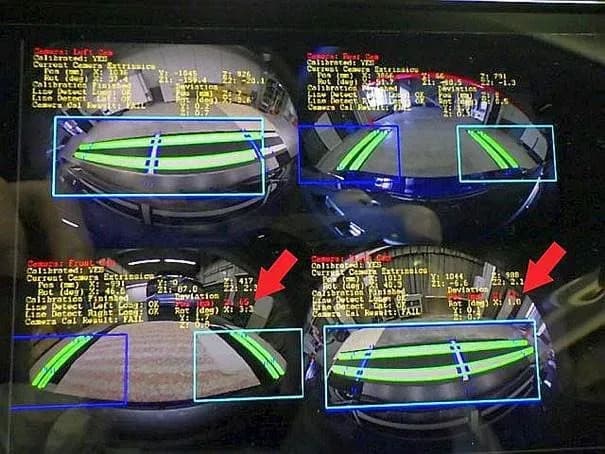
Şu araçlar için de geçerli
- Audi A6
- 2021–2024
- Audi A6 allroad
- 2021–2022
- Audi A7
- 2021–2024
- Audi A7 e
- 2021–2022
- Audi A8 L e
- 2021
- Audi e-tron
- 2021–2022
- Audi e-tron GT
- 2022–2024
- Audi Q7
- 2021–2024
- Audi Q8
- 2021–2024
- Audi RS 6 Avant
- 2021–2024
- Audi RS 7
- 2021–2024
- Audi RS e-tron GT
- 2022–2024
- Audi RS Q8
- 2021–2024
- Audi S6
- 2021–2024
- Audi S7
- 2021–2024
- Audi S8
- 2021–2024
- Audi SQ7
- 2021–2024
- Audi SQ8
- 2021–2024
▸ 12 tane daha göster▾ Daha az göster
Owners of various 2022-2024 Audi models may encounter issues where the vehicle's overhead view camera system cannot be calibrated. This problem, often indicated by specific messages in the diagnostic tester and on the MMI screen, can prevent proper functionality of the TopView camera system. Technical Service Bulletin (TSB) 2069670/1 provides comprehensive guidance for diagnosing and resolving these calibration failures.
Symptoms
The primary symptom is that the overhead view camera system cannot be calibrated. When a technician attempts to perform the calibration, the process fails. This can lead to a lack of functionality for features that rely on the TopView camera system.
Technical Background
Audi has identified two main reasons why the overhead camera calibration fails:
- Incorrect Repair Process: The repair process for camera calibration may not have been followed correctly by the technician.
- Correction Values Out of Tolerance: The camera's correction values for X, Y, or Z axes are outside the acceptable tolerances, indicating a physical misalignment or issue.
Diagnostic Messages
When the Audi overhead camera calibration fails, specific messages will appear in the diagnostic tester and on the MMI calibration screen. These messages help technicians pinpoint the nature of the failure. Common verbatim messages include:
- "Calibration could not be performed."
- "Status: not active"
- "Line calibration error: Rear left area: detected"
- "Line calibration error: Rear right area: detected"
- "Line calibration error: Front left area: NOT detected"
- "Line calibration error: Front right area: detected"
- "Line calibration error: Left horizontal area: detected"
- "Line calibration error: Left vertical area: detected"
- "Line calibration error: Right horizontal area: detected"
- "Line calibration error: Right vertical area: detected"
- "Line calibration error: Left vertical area: NOT detected"
- "Line calibration error: Right vertical area: NOT detected"
These messages often highlight which specific areas of the calibration unit were not detected, guiding the diagnostic process.
Common Causes for Calibration Failure
The TSB outlines several scenarios that can cause the Audi overhead camera calibration to fail, each requiring a specific troubleshooting approach:
1. Calibration Unit Not Set Up Properly
If the diagnostic tester and MMI screen indicate that not all areas of the calibration unit were identified correctly, it suggests an issue with the setup. Technicians must ensure the calibration unit is positioned precisely according to the Workshop Manual specifications.
2. Insufficient Lighting Conditions
Poor lighting can prevent the camera from accurately detecting the calibration unit. If the MMI display shows reflections or shadows on the calibration unit, or if the lines are not clearly recognizable, the lighting conditions need to be adjusted. Proper illumination is crucial for successful calibration.
3. Obstructions from License Plate or Frame
In some cases, the vehicle's license plate or its frame can obstruct the front camera's field of vision during calibration. If the MMI screen shows the license plate interfering with the calibration, it must be temporarily removed to allow for an unobstructed view.
4. Fuzzy or Distorted Camera Picture
Contamination or damage to the camera lens can result in a fuzzy or distorted image, hindering calibration. If any camera image appears washed out, distorted, or shows signs of contamination, the affected camera should be cleaned thoroughly with a microfiber cloth before reattempting calibration.
5. Camera Not Installed Correctly
Even if all areas of the calibration unit are detected, calibration can still fail if the camera itself is not installed correctly. The MMI calibration screen may indicate that the correction values (X, Y, Z) are outside tolerance. Technicians need to check the camera's installation, including its position within the bracket and ensuring the bracket is level and properly engaged in the bumper.
6. Insufficient Vehicle Ride Height
An incorrect vehicle ride height can also cause the Audi overhead camera calibration to fail. This can be due to factors like transport locks still being fitted, or tire pressure being too low. The MMI calibration screen may show the height correction values (Z) outside tolerances. Technicians should check and correct the vehicle's ride height at both the front and rear wheel arches. Additionally, the vehicle's level sensors should be inspected for correct installation. If the issue persists, running the "Headlight basic setting" in "Guided Functions" can recalibrate the level sensors, which often resolves the ride height-related calibration problem.
Repair Procedure Summary
To address the Audi overhead camera calibration fails issue, technicians should follow a systematic diagnostic and repair process based on the specific diagnostic messages and visual cues. The general steps involve:
- Verify Calibration Unit Setup: Ensure the calibration unit is set up precisely according to the Workshop Manual.
- Optimize Lighting: Adjust workshop lighting to eliminate reflections, shadows, and ensure clear visibility of the calibration unit on the MMI screen.
- Remove Obstructions: Temporarily remove any license plates or frames that might be obstructing the camera's view.
- Clean Camera Lenses: Inspect and clean all camera lenses with a microfiber cloth if any distortion or contamination is observed.
- Inspect Camera Installation: Check the physical installation of the cameras, ensuring they are correctly seated in their brackets and that the brackets are properly engaged and level.
- Adjust Vehicle Ride Height: Measure and correct the vehicle's ride height, addressing issues like transport locks or incorrect tire pressure. Verify the correct installation of vehicle level sensors. If necessary, perform the "Headlight basic setting" via "Guided Functions" to recalibrate the level sensors.
After performing these corrective actions, the calibration procedure should be reattempted. The TSB emphasizes that following these steps systematically will usually allow the overhead view (TopView) camera system to be successfully calibrated.
What Owners Should Know
This Technical Service Bulletin (TSB 2069670/1) is intended for informational purposes for technicians and is not applicable to any Audi warranty. This means that while it provides crucial information for diagnosing and fixing the problem, the repair may not be covered under standard warranty terms if the underlying cause is not a manufacturing defect.
Owner Action
If you experience issues where your Audi overhead camera calibration fails, or if you see related warning messages, it is recommended to schedule an appointment with an authorized Audi service center. Technicians have access to this TSB and the specialized tools required to properly diagnose and resolve the calibration issues. Be prepared to describe the exact symptoms and any messages displayed on your vehicle's MMI screen.
NHTSA ID: 10233617
Galeri
4 görsel
Frequently Asked Questions
- What does 'overhead view camera system cannot be calibrated' mean for my Audi?
- This message indicates that your Audi's TopView camera system, which provides a 360-degree view around your vehicle, is unable to complete its necessary calibration process. This can affect parking aids and other related safety features.
- What are common reasons why my Audi overhead camera calibration fails?
- According to TSB 2069670/1, common reasons include improper setup of the calibration unit, insufficient lighting, obstructions like a license plate, dirty or distorted camera lenses, incorrect camera installation, or issues with the vehicle's ride height.
- Will my Audi's warranty cover the repair if the overhead camera calibration fails?
- Technical Service Bulletin 2069670/1 states that it is for informational purposes only and is not applicable to any Audi warranty. This means that coverage for the repair will depend on the specific cause of the failure and your vehicle's warranty terms.
- What should I do if my Audi displays 'Calibration could not be performed'?
- If you see the message 'Calibration could not be performed' or other related diagnostic messages, you should contact an authorized Audi service center. They have access to the TSB and the specialized equipment needed to diagnose and correct the issue.
- Can a dirty camera lens cause my Audi overhead camera calibration fails warning?
- Yes, a fuzzy or distorted camera picture due to contamination on the lens is one of the identified causes in TSB 2069670/1. Cleaning the affected camera with a microfiber cloth is a recommended first step for technicians.
Related Articles
Should 2023 Audi e-tron Owners Worry? Recall & TSB Roundup
The 2023 Audi e-tron faces significant safety concerns, including recalls for potential brake pedal detachment and charging cable overheating. Owners have also reported serious issues like unintended acceleration and electrical system malfunctions. This guide covers all known problems and solutions.
2023 Audi e-tron Brake Pedal Recall
Audi has issued a recall (NHTSA ID: 26V240000, Audi Recall 46P7) for certain 2019-2024 E-Tron and 2020-2024 E-Tron Sportback vehicles, including the 2023 Audi e-tron. The recall addresses a potential issue where the brake pedal may detach from the brake booster, leading to a loss of brake function.
2015-2027 Audi Noise Diagnosis with Frequency Analysis App TSB
Audi has released Technical Service Bulletin 2051095/11 detailing the Audi Frequency Analysis app. This app helps technicians diagnose noise complaints more precisely across 2015-2027 Audi models. Learn how the app works, where to download it, and its features for effective vehicle noise analysis.
2023 Audi e-tron AC/DC Charging Not Possible TSB
This manufacturer communication (NHTSA ID 11031035) provides critical information for 2023 Audi e-tron owners facing issues with AC/DC charging. It specifically highlights problems linked to software version 00C6: 0093/3119, which can prevent the vehicle from charging.
2023-2025 Audi Rear Seat Reminder Message TSB 2074943/2
Audi Technical Service Bulletin 2074943/2 explains the instrument cluster message 'Please check rear seats and be aware of door safelock' in various 2023-2025 Audi models. This informational TSB details the rear occupant detection system designed to prevent children and pets from being left in…
Yorum bırakın
Yorumlar moderasyondan geçer ve görünmesi biraz zaman alabilir. Sadece adınız ve soyadınızın baş harfi herkese açık olarak gösterilir.
Yorumlar
İlk yorum sizden olsun.