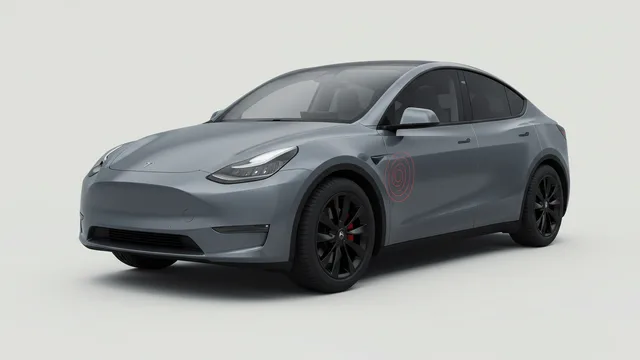
The 2022 Tesla Model Y has been subject to 7 recalls, primarily addressing software concerns related to ADAS features, infotainment, and safety systems, alongside some hardware issues like seat bolts and TPMS. There are also 6 service bulletins covering various components. Notably, NHTSA has…
Tesla has issued a recall (NHTSA ID 24V935000) for certain 2021-2025 Model 3, Model Y, and 2024 Cybertruck vehicles. The tire pressure monitoring system (TPMS) warning light may not remain illuminated between drive cycles, failing to alert drivers to low tire pressure.
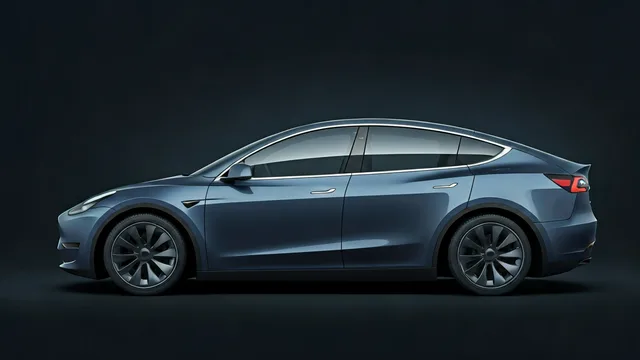
Tesla has issued Service Bulletin SB-24-17-005 for 2021-2023 Model S, Model X, and Model Y vehicles. This bulletin addresses a condition where the interior camera may exhibit reduced driver attentiveness detection performance in low-light conditions, requiring a Tesla interior camera replacement.
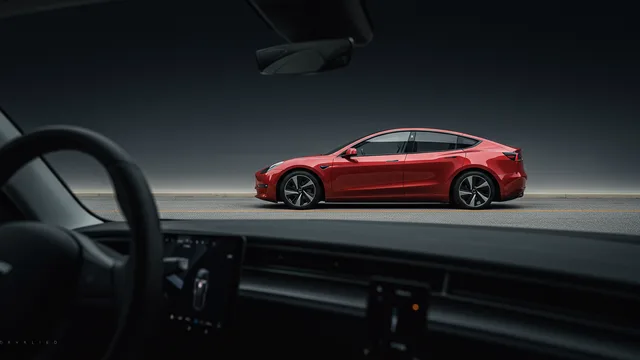
Tesla Model Y vehicles from 2021 to 2024 feature an owner's manual integrated directly into the vehicle's software, accessible via the touchscreen. This digital format provides content relevant to your specific vehicle configuration and software version.
Tesla has issued a recall (NHTSA ID 24V153000) for certain 2013, 2018-2022 Model S, Model X, Model 3, and Model Y vehicles where a factory reset could mute the Pedestrian Warning System (PWS) sounds. This non-compliance with safety standards increases the risk of a crash. An over-the-air software…
Tesla Model Y vehicles from 2021-2023 do not include a physical owner's manual. Instead, all owner's manual content is integrated into the vehicle's software and displayed on the touchscreen, tailored to your specific vehicle configuration and software version. This ensures up-to-date information…
Tesla Model Y vehicles do not come with a physical owner's manual. Instead, all owner's manual content is integrated into the vehicle's software and displayed on the touchscreen, tailored to your specific vehicle configuration and software version.
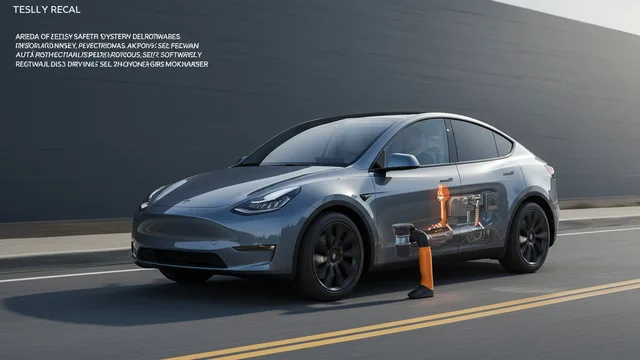
Tesla has issued a recall (NHTSA ID 23V838000) for 2021-2023 Model S, Model X, Model 3, and Model Y vehicles due to an Autosteer software issue. The recall addresses concerns that the feature's controls may not be sufficient to prevent driver misuse, increasing crash risk. A free over-the-air…
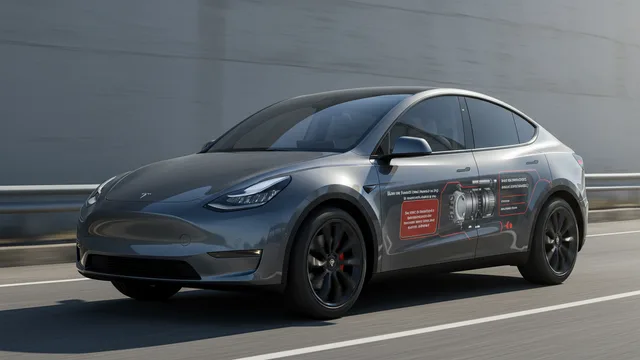
Some 2021-2022 Tesla Model Y vehicles may display "braking and stability control related alerts" on the instrument cluster and touchscreen during power-on. This issue stems from a missing hydraulic control unit (HCU) wake-up wire. A vehicle power cycle can typically restore functionality.
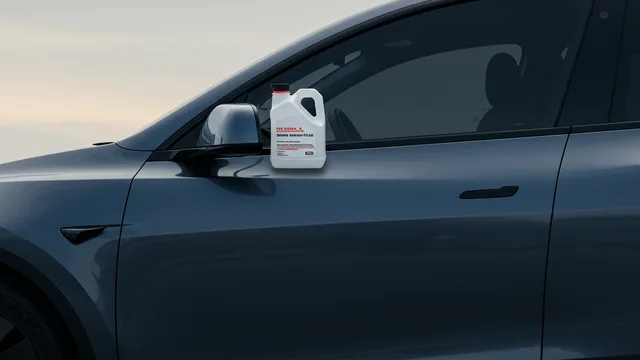
Certain 2022 Tesla Model Y vehicles manufactured at Giga Austin may have been filled with windshield washer fluid that does not meet Tesla specifications, potentially causing it to freeze and not spray onto the windshield in cold temperatures. This issue is documented under NHTSA ID 10232913.
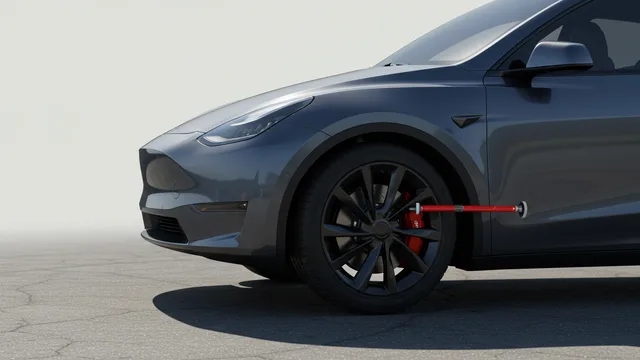
Tesla has issued a recall (NHTSA ID: 23V130000) for certain 2022-2023 Model Y vehicles. The recall addresses potentially loose bolts securing the second-row seat back frames, which could compromise seat belt performance and increase injury risk during a crash. Owners will be notified to have their…
Tesla has issued recall 22V702000 for certain 2021-2022 Model 3, Model Y, Model S, and Model X vehicles. The window automatic reversal system may not react correctly to obstructions, posing an injury risk. A free over-the-air software update will provide the remedy.
Tesla, Inc. (Tesla) is recalling certain 2024 Cybertruck, 2017-2025 Model 3, and 2020-2025 Model Y vehicles. The tire pressure monitoring system (TPMS) warning light may not remain illuminated between drive cycles, failing to warn the driver of low tire pressure. As such, these vehicles fail to comply with the requirements of Federal Motor Vehicle Safety Standard number 138, "Tire Pressure Monitoring Systems."
Tesla, Inc. (Tesla) is recalling certain 2021-2024 Model 3, Model S, Model X, and 2020-2024 Model Y vehicles. The hood latch assembly may fail to detect an unlatched hood condition after the hood has been opened.
Tesla, Inc. (Tesla) is recalling certain 2012-2024 Model S, 2015-2024 Model X, 2017-2023 Model 3, and 2020-2023 Model Y vehicles. In the event of an unbelted driver, the seat belt warning light and audible chime may not activate as intended. As such, these vehicles fail to comply with the requirements of Federal Motor Vehicle Safety Standard number 208, "Occupant Crash Protection."
Tesla, Inc. (Tesla) is recalling certain 2013, 2018-2021 Model S, 2020-2021 Model X, 2018-2022 Model 3, and 2020-2022 Model Y vehicles. A factory reset muted the Pedestrian Warning System (PWS) sounds. As such, these vehicles fail to comply with the requirements of Federal Motor Vehicle Safety Standard number 141, "Minimum Sound Requirements for Hybrid and Electric Vehicles."
Tesla, Inc. (Tesla) is recalling certain 2012-2023 Model S, 2016-2024 Model X, 2017-2023 Model 3, 2019-2024 Model Y, and 2024 Cybertruck vehicles. An incorrect font size is displayed on the instrument panel for the Brake, Park, and Antilock Brake System (ABS) warning lights. As such, these vehicles fail to comply with the requirements of Federal Motor Vehicle Safety Standard number 105, "Hydraulic and Electric Brake Systems" and 135, "Light Vehicle Brake Systems."
Tailgate doesn’t close. Electric hydraulic arm on driver side is too strong forcing misalignment of tailgate. Tesla will not repair under warranty.
No injuries · No fire · No crash
Car makes loud noise from front axel
No injuries · No fire · No crash
FSD (Supervised) was engaged while the vehicle was traveling toward a freeway entrance. The vehicle was expected to turn right, but instead began veering left. The driver applied the brake in an attempt to slow the vehicle and disengage FSD. According to the driver’s recollection, the vehicle did not respond as expected and continued accelerating until it left the roadway and crashed into a ditch. The incident created a serious safety risk to the driver and an infant passenger. Emergency services responded, and the driver and infant passenger were transported to an emergency department for evaluation. The vehicle was subsequently towed from the scene. The suspected malfunction involves FSD/vehicle control behavior, including whether the system properly responded to brake input and whether commanded acceleration continued after the driver attempted to intervene. The vehicle and its electronic systems should currently be available for inspection, and a request has been made to preserve relevant vehicle telemetry, driver-input data, FSD engagement status, accelerator and brake inputs, commanded motor torque, speed, steering inputs, camera footage, Event Data Recorder information, diagnostic logs, and software/FSD version information. A police report has been filed and both Tesla and Tesla insurance have been contacted.
The contact owns a 2022 Tesla Model Y. The contact stated that while driving at an undisclosed speed, the steering wheel started sticking, and the contact discovered that the center of the steering wheel was cracked and peeling. No warning lights were illuminated. The vehicle was taken to a dealer to be diagnosed; however, the cause of the failure was not yet determined. The vehicle was not diagnosed or repaired. The manufacturer was not notified of the failure. The failure mileage was approximately 58,997.
No injuries · No fire · No crash
On 8/22/2026, my 2022 Tesla Model Y Long Range with approximately 81,000 miles developed an Electronic Power Assisted Steering (EPAS) fault immediately after I felt a brief jerk while reversing. The vehicle displayed “Steering assist reduced / Steering may require increased effort.” Manual steering currently feels normal, but Full Self-Driving/Autosteer and Lane Departure/Lane Keeping functions became unavailable. Tesla Service Mode shows repeated faults EPAS3P_a072_motFeedFwdError, EPAS3P_a049_piCtrlError, and UI_a020_SteeringReduced. For EPAS3P_a072, Tesla’s diagnostic screen describes a “Motor control feed-forward correlation error,” lists the potential impact as “Reduced steering assist and EAC inhibited,” and specifically lists “Replace EPAS” as the clear condition. The faults return after vehicle power-off and reboot. The vehicle was updated to software 2026.21.6 / FSD v14 Lite approximately two weeks before this occurred. There were no previous steering warnings. I am not claiming the update caused the failure, but I believe the timing warrants investigation. NHTSA Complaint 11749826 describes a 2021 Model Y with the same EPAS3P_a072 and UI_a020 faults, including Tesla Service Mode stating “Replace EPAS.” Complaint 11758026 describes another 2021 Model Y steering gear failure and requests expansion of Recall 25V-092 to earlier Model Ys. My vehicle has not yet been physically inspected by Tesla. The vehicle and diagnostic information are available for inspection. I request NHTSA investigate whether this EPAS failure extends beyond the current recall population and whether recent software changes may be contributing.
No injuries · No fire · No crash