The 2026 Tesla Model Y has been subject to 5 recalls, addressing issues from a potential loss of drive power to inoperable horns and windshield wiper problems. Additionally, two service bulletins detail concerns like seat blower noise and front fascia camera malfunctions, providing owners with a…
The 2024 Tesla Model Y has faced four safety recalls, including issues with front seat welds, hood latches, rearview camera loss, and warning light font size. Additionally, three service bulletins address camera transparency, HVIL alerts, and owner's manual access. No owner complaints or federal…
The 2022 Tesla Model Y has been subject to 7 recalls, primarily addressing software concerns related to ADAS features, infotainment, and safety systems, alongside some hardware issues like seat bolts and TPMS. There are also 6 service bulletins covering various components. Notably, NHTSA has…
The 2021 Tesla Model Y has been subject to numerous recalls addressing critical safety concerns, including suspension fractures, camera cable defects, and software issues affecting driver assistance systems and pedestrian warnings. While no owner complaints or federal investigations have been…
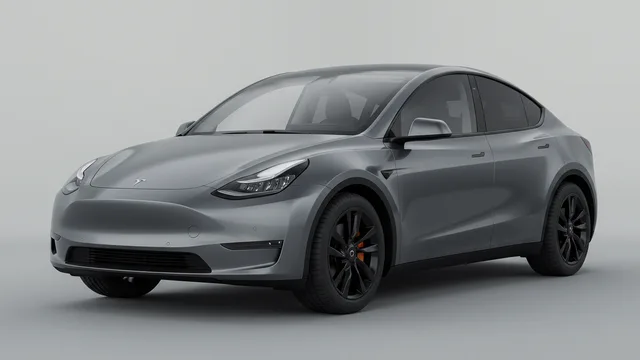
The 2023 Tesla Model Y has faced a notable number of issues, including 7 recalls addressing critical safety components like power steering, camera systems, and battery safety. Additionally, 20 service bulletins cover a range of concerns from interior camera performance to wind noise and water leaks.
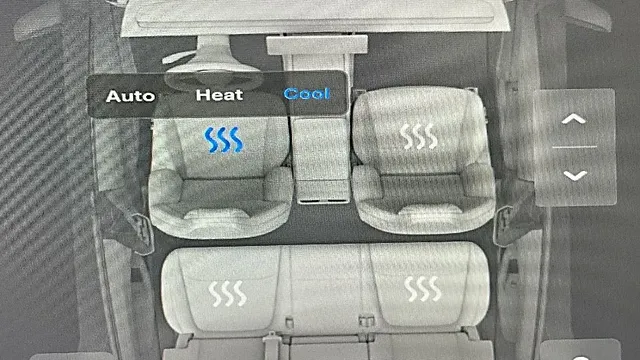
Tesla has issued Service Bulletin SB-26-13-001 for the 2026 Model Y regarding a loud grinding noise from the front seat backrest blowers when cooling is enabled. This bulletin outlines inspection and replacement procedures for affected blowers.
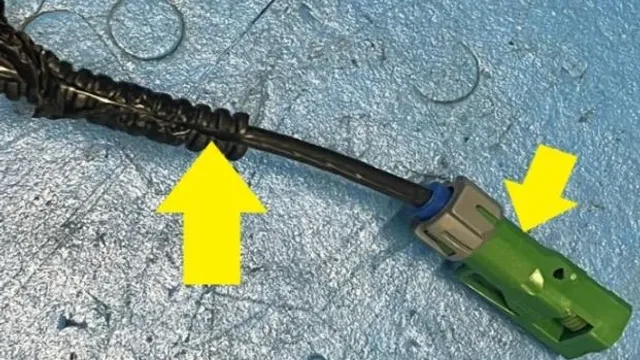
Tesla Service Bulletin SB-25-17-012 addresses water ingress issues affecting the front fascia camera in 2025-2026 Model Y vehicles, leading to "camera alerts" and "intermittent or blank video feed."
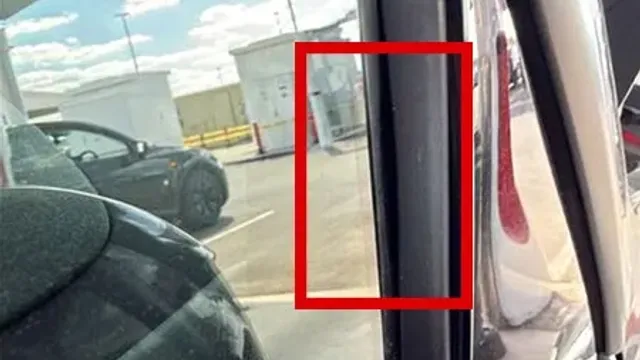
Tesla Service Bulletin SB-26-11-001 details a condition in some 2025-2026 Model Y Standard vehicles where a gap in the front door glass run seals can cause high-pitched wind noise from the A-pillar at high speeds. The bulletin outlines an inspection and replacement procedure for the seals.
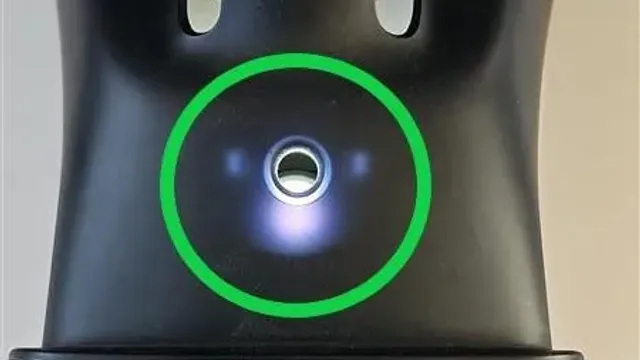
Tesla Service Bulletin SB-26-15-001 addresses a condition in some 2024 Model Y vehicles where the rear view mirror upper camera cover may not be sufficiently transparent, leading to increased vehicle occupancy warnings in low-light conditions. This bulletin outlines inspection and replacement…
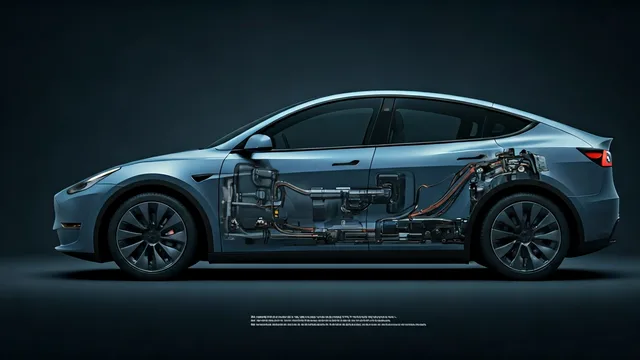
Tesla is recalling certain 2025 Model 3 and 2026 Model Y vehicles because battery pack contactors may fail, leading to a sudden loss of drive power. This issue, identified under recall number 25V690000, will be remedied by Tesla Service free of charge by replacing the faulty contactors. Owners…
Tesla has issued a recall for certain 2026 Model Y vehicles because the reverse lights may not illuminate. This defect, identified by NHTSA ID 25V658000, reduces visibility and increases the risk of a crash. Owners will receive a free repair.
Tesla has issued a recall for certain 2026 Model Y vehicles. The recall, identified as NHTSA ID 25V490000, addresses an issue where an improperly secured horn ground wire can cause the horn to become inoperable, increasing the risk of a crash. The remedy involves replacing the steering wheel free…
Tesla, Inc. (Tesla) is recalling certain 2026 Model Y and 2024 Model 3 vehicles. The vehicles were originally built for a foreign market and do not have knee air bags, may not be equipped with certain interior safety countermeasures, and may not have been tested for bumper impact resistance procedures. As such, these vehicles fail to comply with the requirements of Federal Motor Vehicle Safety Standard numbers, 208, "Occupant Crash Protection," 201, "Occupant Protection in Interior Impact," and Part 581, "Bumper Standards."
Tesla, Inc. (Tesla) is recalling certain 2025-2026 Model Y vehicles. The certification label may not have been installed. As such, these vehicles fail to comply with the requirements of 49 C.F.R. Part 567, "Certification."
Tesla, Inc. (Tesla) is recalling certain 2025 Model 3 and 2026 Model Y vehicles. The battery pack contactors may fail, causing a loss of drive power.
Tesla, Inc. (Tesla) is recalling certain 2026 Model Y vehicles. The reverse lights may fail to illuminate while the vehicle is in reverse, due to a defect in the wiring. As such, these vehicles fail to comply with the requirements of Federal Motor Vehicle Safety Standard (FMVSS) number 108, "Lamps, Reflective Devices, and Associated Equipment."
Tesla, Inc. (Tesla) is recalling certain 2026 Model Y vehicles. The ring terminal of the horn ground wire may be improperly secured, allowing the circuit to open and preventing the horn from sounding.
On August 27, 2026, the 12V/low-voltage battery in my Tesla completely failed without any prior low-voltage warning displayed on the screen or sent to the mobile app. After placing my infant/toddler in their car seat in the rear and closing the door, the vehicle's electronic systems shut down entirely. The electronic door handles and key access became completely inoperative from the outside, locking my child inside the vehicle with no way for me to open the doors or retrieve them. The manual override releases are inaccessible to a young child buckled in a car seat, and the vehicle provided zero advance warning that the low-voltage battery was at critical failure. This severe design flaw creates an immediate, life-threatening entrapment hazard.
No injuries · No fire · No crash
Screen provides alert that "center brake light condition deteceted". Shows up as VCRIGHT_a487. Tesla has said it is a software condition that will be fixed in an update, yet several updates later, the condition persists with no fix in sight. This error has appeared since the time of new vehicle delivery in early May 2026 to the present.
No injuries · No fire · No crash
The bolts on the control arm came loose on its own while driving causing the steering to become unstable and loud.
No injuries · No fire · No crash
What component or system failed or malfunctioned, and is it available for inspection upon request? The front driver-side control arm came loose after two bolts fell out. The vehicle had no prior accidents, and the failed area can be inspected if needed. How was your safety or the safety of others put at risk? The front driver side of the car suddenly dropped onto the wheel while I was backing into a parking spot. If this had happened at highway speed, it could have caused a very serious accident, loss of control or potential death. Has the problem been reproduced or confirmed by a dealer or independent service center? The problem was confirmed after the vehicle was inspected and the two missing control-arm bolts were identified. The car was not safe to drive after the failure. Has the vehicle or component been inspected by the manufacturer, police, insurance representatives or others? The vehicle was inspected after the incident by a service center or mechanic. It has not been inspected by the manufacturer, police, or insurance unless otherwise noted. Were there any warning lamps, messages or other symptoms of the problem prior to the failure, and when did they first appear? There were no warning lights, messages, or noticeable symptoms before the failure. It happened suddenly while I was backing into a parking spot.
No injuries · No fire · No crash
SEVERE DEFECT: Unprompted autonomous steering overrides manual driving. When Autopilot is OFF, Emergency Lane Departure Avoidance (ELDA) violently yanks the steering wheel, steering TOWARD hazards like oncoming traffic on the left or a mountain/rock wall past the curb on the right. This creates a severe collision risk, overriding safe manual input.DOCUMENTED PROOF: Provided Tesla Service (Palo Alto) over 12 timestamps and several dashcam footage. Technicians physically verified NO internal/external camera obstructions across TWO separate visits. Moving a transponder failed to resolve it.TESLA REFUSAL: Service Center has canceled TWO other service requests without fixing the defect, claiming it the 'system is working as intended.' Crucially, the Manager Jay explicitly admitted this dangerous steering override is a 'known issue for vehicles without FSD' operating on an older, separate software stack prone to these errors. To resolve this critical safety hazard, he explicitly suggested I purchase Tesla's premium Full Self-Driving (FSD) upgrade, claiming the FSD stack fixes it. Tesla is fully aware their base active safety software stack is defective and steers into hazards, yet demands a paid consumer upgrade to resolve it rather than issuing a safety patch or recall.
No injuries · No fire · No crash