May 2026 Audi A3: Fuel System Investigations Persist
This May 2026 roundup for the Audi A3 focuses on a series of past NHTSA investigations, primarily concerning fuel system defects and a DSG transmission stall issue. While no new recalls or complaints were filed, these investigations led to significant recalls, underscoring ongoing safety vigilance.

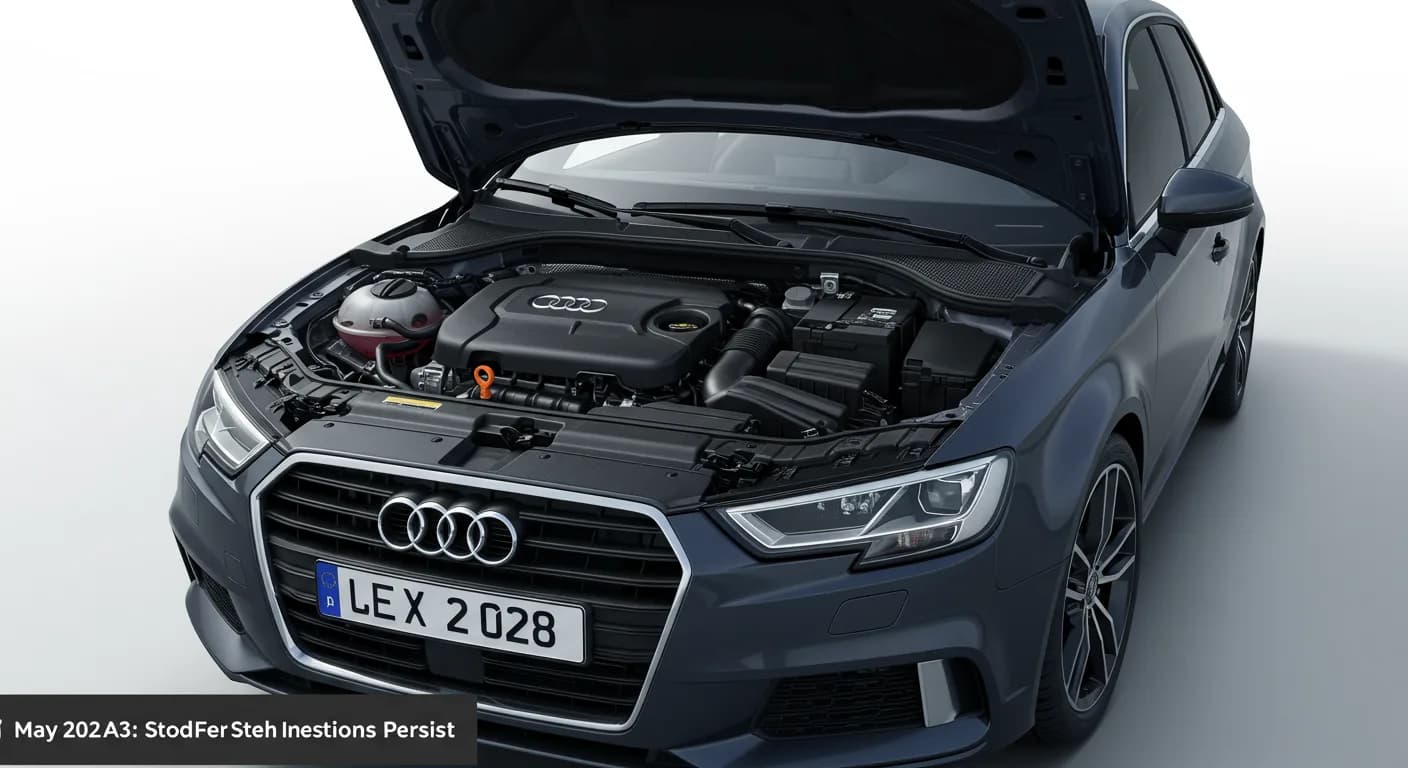
May 2026 saw a notable focus on past safety concerns for the Audi A3, with several NHTSA investigations highlighted. While no new recalls or owner complaints were filed this month, the data emphasizes recurring issues, particularly within the fuel system across various model years. These investigations often led to subsequent recalls, underscoring the importance of addressing potential defects. The recurring theme of Audi A3 fuel system investigations stands out in this month's review.
Recalls
No new recalls were filed for the Audi A3 in May 2026.
Owner Complaints
No new owner complaints were reported for the Audi A3 in May 2026.
Investigations
This month's safety roundup for the Audi A3 predominantly features several past NHTSA investigations, many of which led to significant safety actions. These investigations cover a range of model years and components, with a strong emphasis on fuel system integrity.
One key investigation, RQ23007, focused on 2015-2020 Audi A3, S3, and RS3 models. This inquiry concerned fuel leaks stemming from a failure in the suction jet pump. The findings from RQ23007 ultimately led to recall 24V-110, which aimed to replace the faulty pump and prevent issues such as fuel leaks, refueling spit back, premature refueling shutoff, and fuel odor.
Another significant inquiry, PE11023, examined 2009-2012 Audi A3 models equipped with 2.0L TDI engines. This investigation identified a defect causing leakage in diesel fuel injector line #2. As a result of PE11023, safety recall 11V-490 was issued to replace the affected lines and install vibration dampers to prevent future leaks.
High-pressure fuel pump (HPFP) failures in TDI models were the subject of two separate investigations. PE10034 investigated 2010 Audi A3 TDI vehicles, where HPFP failures could lead to engine stall or loss of power. Many incidents were linked to gasoline-contaminated diesel fuel. Similarly, EA11003 looked into HPFP failures in 2012 Audi A3 TDI and other models, concluding that misfueling with gasoline was a primary cause, with low rates of stalls and no reported crashes or injuries.
Beyond fuel systems, PE09035 addressed concerns regarding 2009-2010 Audi A3 and TT vehicles fitted with Direct Shift Gearbox (DSG) transmissions. This investigation focused on reports of sudden vehicle stalls and a loss of motive power, potentially linked to a defect in the DSG temperature sensor wiring harness.
Service Bulletins
No new service bulletins were released for the Audi A3 in May 2026.
What Audi A3 Owners Should Do
Given the focus on past investigations, particularly concerning Audi A3 fuel system investigations and transmission issues, owners should remain vigilant. Here are some concrete actions:
- Check for Open Recalls: Regularly check if your vehicle has any open recalls by visiting the NHTSA website and entering your 17-digit VIN. This is crucial for both older and newer models, especially those involved in past recalls like 11V-490 and 24V-110.
- Monitor for Fuel System Symptoms: Be alert for any signs of fuel leaks, fuel odors, difficulty refueling, or engine stalling, particularly if you own a TDI model. Promptly address any such symptoms with a qualified service technician.
- Ensure Correct Fueling: For Audi A3 TDI owners, always ensure you are using the correct diesel fuel to prevent high-pressure fuel pump damage, as highlighted in investigations PE10034 and EA11003.
- Watch for Transmission Issues: If you own a 2009-2010 Audi A3 with a DSG transmission, pay attention to any sudden vehicle stalls or loss of motive power and seek professional diagnosis if these occur.
Leave a comment
Comments are moderated and may take a moment to appear. Only your first name and the initial of your last name are shown publicly.
Comments
Be the first to comment.