2010 Audi A3 High Pressure Fuel Pump Investigation
NHTSA's Office of Defects Investigation (ODI) opened PE10034 to investigate High Pressure Fuel Pump (HPFP) failures in 2010 Audi A3 TDI vehicles. These failures can cause engine stall or loss of power, with many incidents attributed to gasoline-contaminated diesel fuel. The investigation has been…
 Sarah Mitchell2010 Audi A3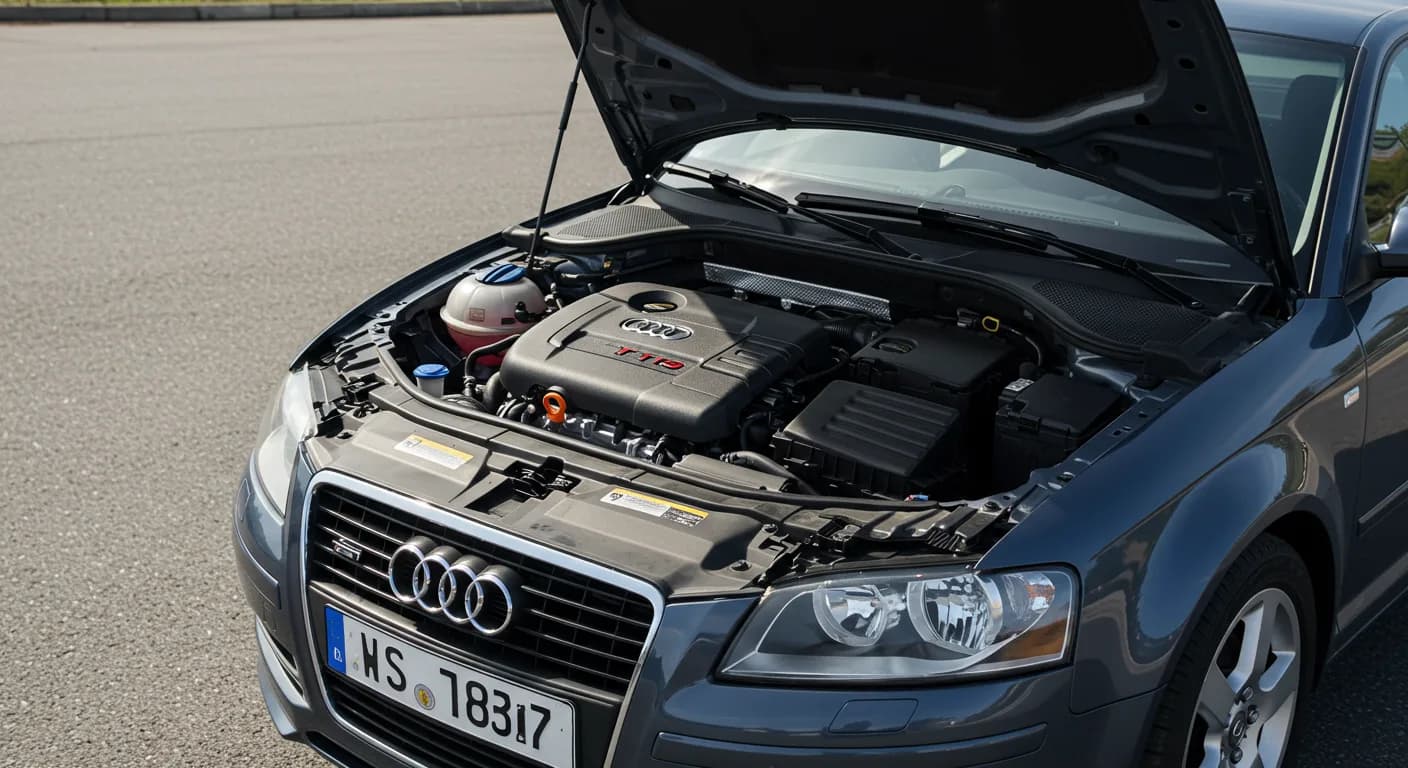
NHTSA's Office of Defects Investigation (ODI) initiated Preliminary Evaluation PE10034 to address concerns regarding High Pressure Fuel Pump (HPFP) failures in certain 2009-2010 Volkswagen Jetta, 2010 Volkswagen Golf, and 2010 Audi A3 vehicles equipped with TDI clean diesel engines. This 2010 Audi A3 investigation focuses on incidents of engine stall and loss of power that appear to be directly related to these HPFP failures.
NHTSA's Findings So Far
ODI and Volkswagen (VW) have received a total of 160 complaints and field reports detailing incidents of engine stall and/or loss of power due to HPFP failures. Approximately half of these reports indicate that the failure resulted in an engine stall, with many occurring at highway speeds without the ability to restart the vehicle. One minor crash has been alleged as a result of an HPFP failure in the subject vehicles.
Volkswagen, in response to ODI's information request for PE10034, initially stated that no defect related to motor vehicle safety was found in the TDI Clean Diesel fuel system. VW attributed the HPFP problems to operation with gasoline-contaminated diesel fuel, explaining that even a small amount of gasoline can disrupt the necessary lubrication for the HPFP, leading to its failure.
To address concerns about fuel contamination, VW issued Technical Service Bulletins (TSBs) in May 2010: VW TB V011011 2023624 and Audi TB A011008 2023360-1. These bulletins provide instructions for inspecting diesel fuel in vehicles requiring fuel system service that exhibit symptoms associated with HPFP failure.
Important Warning for Owners
Volkswagen has stated that fuel system damage resulting from the use of fuel that does not comply with ASTM-D-975 Grade 2 S15 (B5 or less biodiesel content) standards will not be covered under warranty. Owners should be vigilant about using the correct fuel type to avoid potential repair costs.
Scope of the Investigation
Volkswagen provided data on 121 mis-fueling incidents, reportedly acknowledged by consumers or dealers. Around 20 of these reports involved incorrect fueling by dealer sales or service personnel. These incidents typically presented symptoms such as rough running, stalling, and/or a no-start condition within a few miles of refueling with gasoline.
Testing of approximately 50 diesel fuel samples taken from complaint vehicles in late-August through early-October 2010 revealed that nearly 90 percent contained high amounts of gasoline. Volkswagen also implemented design changes for the HPFP in May 2008, September 2009, and November 2010 to improve the pump's robustness against poor quality fuel. ODI's analysis of HPFP failures shows failure rates of 0.53% for 2009 model year vehicles and 0.11% for 2010 model year vehicles, including the 2010 Audi A3 investigation.
Status of the Investigation
This preliminary evaluation, PE10034, has been upgraded to an Engineering Analysis (EA11-003). This upgrade allows for a more in-depth investigation into the issues of mis-fueling and HPFP design identified during the initial evaluation.
What It Could Mean for Owners
For owners of affected vehicles, including the 2010 Audi A3, the ongoing Engineering Analysis EA11-003 means that NHTSA is continuing to thoroughly investigate the root causes and safety implications of these HPFP failures. While no recall has been issued yet, the outcome of an Engineering Analysis can lead to a recall if a safety defect is confirmed. Owners should remain aware of the proper fuel requirements for their TDI diesel engines and monitor for any symptoms of HPFP failure, such as engine stall or loss of power.
Source: NHTSA PE10034
Related Articles
2023 Audi Q5 Health Check: Recalls and Bulletins
The 2023 Audi Q5 has no reported recalls, owner complaints, or federal investigations. However, Audi has issued several technical service bulletins (TSBs) addressing various potential issues, including engine faults, electrical system warnings, and airbag system concerns. This article details…
2025 Audi Q5 Health Check: Service Bulletins and Common Issues
The 2025 Audi Q5 has no reported recalls, owner complaints, or federal investigations. However, a series of manufacturer service bulletins address various electrical system, software, and component-related issues, providing insights into potential concerns for owners.
2024 Audi Q5 Health Check: Service Bulletins and Common Issues
The 2024 Audi Q5 has no reported recalls or owner complaints, but several manufacturer service bulletins address issues like the EPC light, 12V battery discharge, and airbag warning lights. These TSBs outline specific diagnostic and repair procedures for technicians.
2022 Audi e-tron Problems: Electrical System & Braking Concerns
The 2022 Audi e-tron has faced significant owner complaints regarding its electrical system, including sudden power loss and charging hazards, as well as various braking malfunctions. This profile details these issues and relevant service bulletins.
2025 Audi Q7 Problems: TSBs and Common Issues
For the 2025 Audi Q7, there are no reported recalls or owner complaints to date. However, Audi has issued several technical service bulletins (TSBs) addressing various potential issues, from engine performance and electrical glitches to interior noises and body structure concerns.
Leave a comment
Comments are moderated and may take a moment to appear. Only your first name and the initial of your last name are shown publicly.
Comments
Be the first to comment.