2022-2026 Audi Steering Wheel and Vehicle Vibrations TSB
Audi has released TSB 2074846/3 to address customer complaints of vibrations in the steering wheel, seat, floor, and pedals in 2022-2026 Audi vehicles. The bulletin details diagnostic steps and repair procedures focusing on tire radial force variation and balancing.
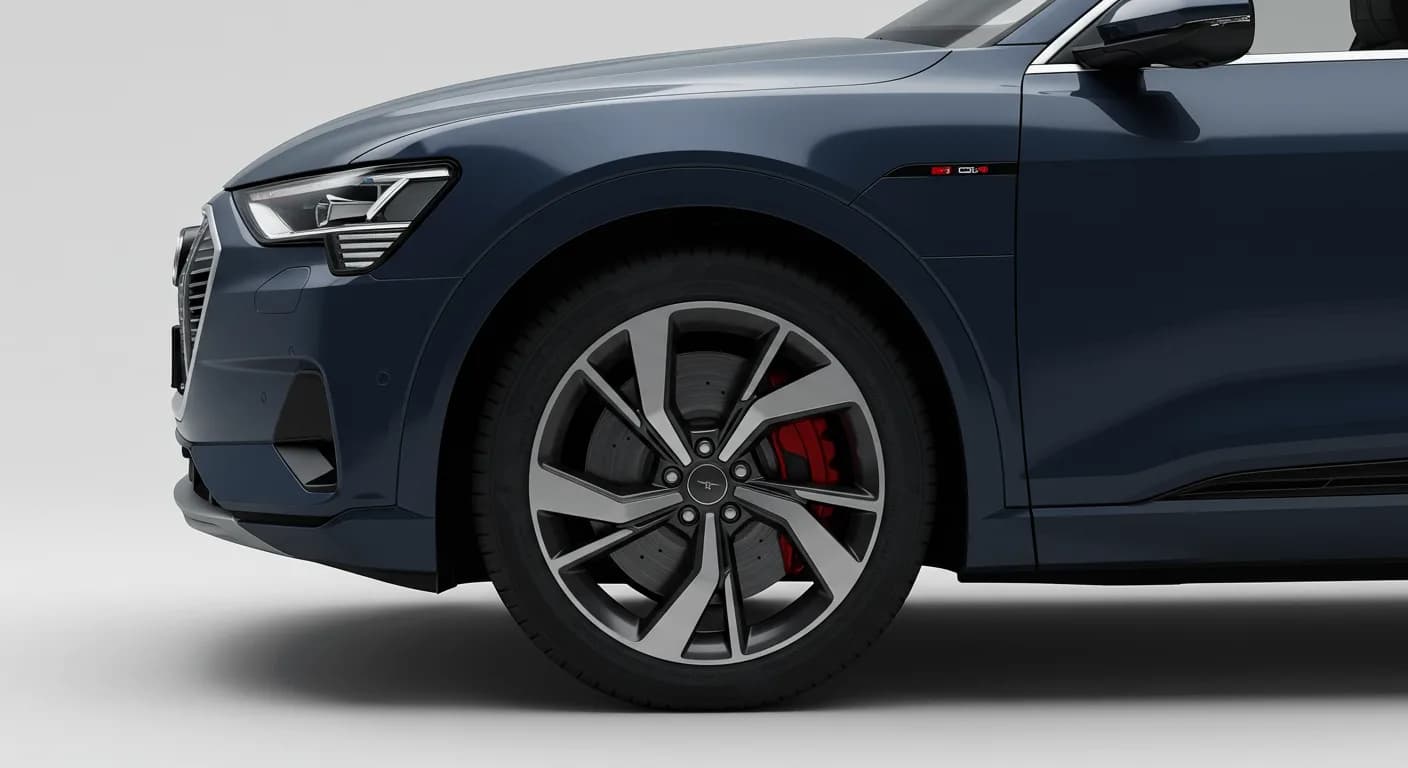
 Sarah Mitchell2022 Audi e-tron
Si applica anche a
- Audi A3
- 2022–2026
- Audi A4
- 2021–2025
- Audi A4 allroad
- 2021–2025
- Audi A5
- 2021–2024
- Audi A6
- 2021–2025
- Audi A6 allroad
- 2021–2026
- Audi A7
- 2021–2025
- Audi A7 e
- 2021–2022
- Audi A8 L e
- 2021
- Audi e-tron
- 2021, 2023
- Audi e-tron GT
- 2022–2026
- Audi e-tron Sportback
- 2021–2022
- Audi Q3
- 2021–2025
- Audi Q5
- 2021–2025
- Audi Q5 e
- 2021, 2023, 2024, 2025
- Audi Q7
- 2021–2026
- Audi Q8
- 2021–2026
- Audi R8
- 2021–2023
- Audi RS 3
- 2022–2026
- Audi RS 5
- 2021–2024
- Audi RS 6 Avant
- 2021–2026
- Audi RS 7
- 2021–2026
- Audi RS e-tron GT
- 2022, 2023, 2024, 2026
- Audi RS Q8
- 2021–2026
- Audi S e-tron GT
- 2026
- Audi S3
- 2022–2026
- Audi S4
- 2021–2025
- Audi S5
- 2021–2024
- Audi S6
- 2021–2025
- Audi S7
- 2021–2025
- Audi S8
- 2021–2026
- Audi SQ5
- 2021–2025
- Audi SQ7
- 2021–2026
- Audi SQ8
- 2021–2026
- Audi TT
- 2021–2023
- Audi TT RS
- 2021–2022
- Audi TTS
- 2021–2023
▸ Mostra altri 31▾ Mostra meno
Symptoms
Owners of 2022-2026 Audi vehicles may experience vibrations that are noticeable between 35 and 70 mph. These vibrations can be felt in various parts of the vehicle, including the seat surface, vehicle floor, footwell, pedal cluster, and the steering wheel. The 2022 Audi e-tron steering vibrations, for example, might become more pronounced during braking or acceleration.
Diagnosis / Trigger Conditions
The root cause of these vibrations is often related to tire characteristics, specifically radial force variation. Tires naturally have softer and stiffer areas around their circumference. Radial force variation measures the change in the tire's compression force as it rolls, ideally remaining below 120N (Newtons) peak-to-peak. The first harmonic vibration, which is the strongest component of radial force variation, should be 80N or less.
Another contributing factor can be flat spots that develop on tires after the vehicle has been stationary for some time. While normal, these flat spots can affect balancing measurements and should be driven out by driving prior to any wheel balancing procedure.
Repair Procedure Summary
To address these vibrations, technicians follow a specific diagnostic and repair process. This includes an initial test drive at speeds up to 65 mph to confirm the symptoms. The vehicle is then immediately raised, and the wheels are removed and mounted on a specialized vibration control system, such as the VAS 6230 (GSP9700).
The system measures, balances, and matches the wheels according to precise specifications, ensuring the radial force variation meets the required limits (120N peak-to-peak and 80N first harmonic). If the first harmonic vibration cannot be reduced to 80N by matching, a new tire must be installed. Proper wheel installation is critical, requiring clean contact surfaces, correct centering, and the use of a suitable taper and tensioning device, such as a five-finger tensioning device.
Required Tools or Parts
Specialized equipment is necessary for accurate diagnosis and repair of these vibration issues. Technicians will utilize the VAS 6230 (GSP9700) Road Force Measurement System to analyze tire characteristics. Additionally, the VAS 6243 Clamping Plate is recommended to ensure proper wheel mounting during the balancing process.
Owner Action
If your 2022-2026 Audi is experiencing steering wheel or vehicle vibrations, it is recommended to visit an authorized Audi service center. They can perform the necessary diagnostic procedures and repairs outlined in TSB 2074846/3. While this Technical Service Bulletin is informational, repairs performed on components that were part of the original vehicle delivery may be covered under warranty, subject to Audi's Warranty Policies and Procedures Manual. Always confirm warranty coverage with your dealer for any Audi e-tron steering vibrations or other related issues.
Source: NHTSA ID: 11025340, TSB 2074846/3.
Frequently Asked Questions
- What are the common symptoms of this vibration issue in Audi vehicles?
- Owners may notice vibrations in the steering wheel, seat, vehicle floor, footwell, or pedal cluster, particularly when driving between 35 and 70 mph. These vibrations can sometimes be more pronounced during braking or acceleration.
- What is "radial force variation" and how does it cause vibrations?
- Radial force variation refers to the natural differences in stiffness around a tire's circumference. As the tire rotates, these variations can cause imbalances and vibrations, especially if the peak-to-peak value exceeds 120N or the first harmonic vibration is above 80N.
- How do technicians diagnose and fix the vibrations described in TSB 2074846/3?
- Technicians use a specialized Road Force Measurement System (like VAS 6230) to measure tire imbalances and radial force variation. They then balance and match the wheels. If the first harmonic vibration cannot be corrected to below 80N, a new tire is recommended. Proper mounting with clean surfaces and specific clamping devices is also crucial.
- Is the repair for Audi steering vibrations covered under warranty?
- According to TSB 2074846/3, if the vehicle is outside of warranty, the bulletin is informational only. However, repairs on original vehicle components may be covered under warranty, subject to Audi's specific warranty policies. It's best to consult your Audi dealer for specific coverage details.
Related Articles
2022 Audi e-tron Electrical System Problems: Complaints & TSBs
Owners of the 2022 Audi e-tron frequently report significant electrical system malfunctions, ranging from sudden power loss and charging hazards to software crashes. Braking issues and unexpected automatic emergency braking are also common concerns, alongside numerous technical service bulletins…
2022-2026 Audi Guided Fault Finding Reporting Obligation
Audi has issued Technical Service Bulletin TPI 2033392, also known as Transaction No. 2081531/1, regarding a reporting obligation for technicians when Guided Fault Finding produces an unexpected result. This TSB outlines the process for contacting Audi Product Support for diagnostic assistance.
2022-2026 Audi Infotainment System Complaints
Audi has released Technical Service Bulletin (TSB) 2081405/1 to address various customer complaints regarding infotainment systems in 2022-2026 Audi vehicles. This TSB helps technicians diagnose issues often caused by external media or mobile devices, rather than vehicle technology.
2018-2026 Audi Models Cracking Noise TSB 2061464/11
Audi Technical Service Bulletin 2061464/11 describes a cracking noise from the front or rear axle when changing direction in various 2018-2026 Audi models. The issue is due to stub axle movement and is resolved by bonding the stub axle to the wheel bearing with locking fluid.
2022-2026 Audi Parking Aid False Warnings TSB 2024323/13
Audi has released Technical Service Bulletin 2024323/13 to address customer complaints of false parking aid warnings. This bulletin details various environmental and vehicle-specific conditions that can cause the parking aid system to issue alerts even when no obstacles are present. It provides…
Leave a comment
Comments are moderated and may take a moment to appear. Only your first name and the initial of your last name are shown publicly.
Comments
Be the first to comment.